Sell Pokémon Cards Near Me in East Meadow, NY | Cash Today
By syedladen ·
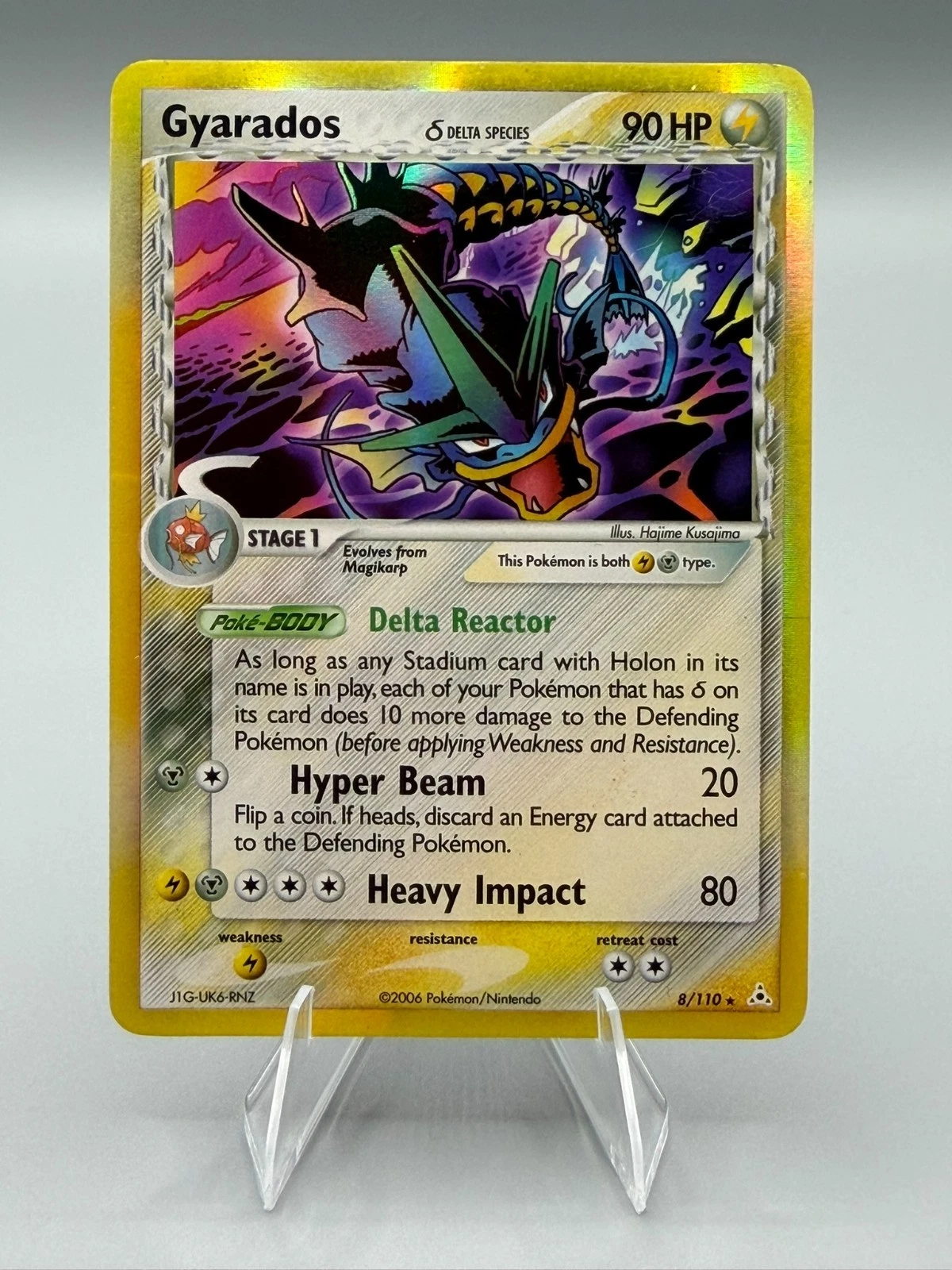
If you want to sell Pokémon cards near you in East Meadow, NY, walk into Sell Your Gadgets with your cards, no appointment needed, and a buyer will price them in person and pay you cash on the spot. Notable singles are priced one by one from live sold comps, and true bulk is priced by the lot, so you are never handed a flat rate for a binder that happens to hold a few real money cards.
This guide explains how to tell which cards in a collection matter, how condition changes an offer, whether grading first makes sense, and how to prepare everything before you drive over. It also covers what to expect if you are coming from Hempstead, Westbury, Hicksville, Bethpage, North Massapequa, or Seaford.
What happens when you walk in with Pokémon cards
The process is deliberately simple. You bring your cards to the Sell Your Gadgets East Meadow store, a buyer goes through them with you, and you get an offer you can accept or decline. If you accept, you are paid cash right there. A valid government photo ID is required for every sale, which is a standard secondhand-dealer rule, so bring it with you.
Behind the counter, buyers use internal pricing tools that pull live sold comps card by card. That matters because Pokémon is not a market where one number fits everything. A common card from a modern set and a clean copy of a chase card from the same set can be worlds apart, and the market moves. Pricing from recent sales rather than a fixed bulk rate is the fair way to do it.
We are an electronics buyback store first, and we also buy trading cards. If you want a rough idea before you come in, you can request a free quote online, and for a closer look at how we handle unsleeved cards specifically, see our page on how to sell raw Pokémon cards.
How to spot the valuable cards in a collection
Before you assume a whole box is worth either nothing or a fortune, do a quick sort. Most of the value in a typical collection sits in a small number of cards, and these are the markers worth checking.
Set symbol and card number
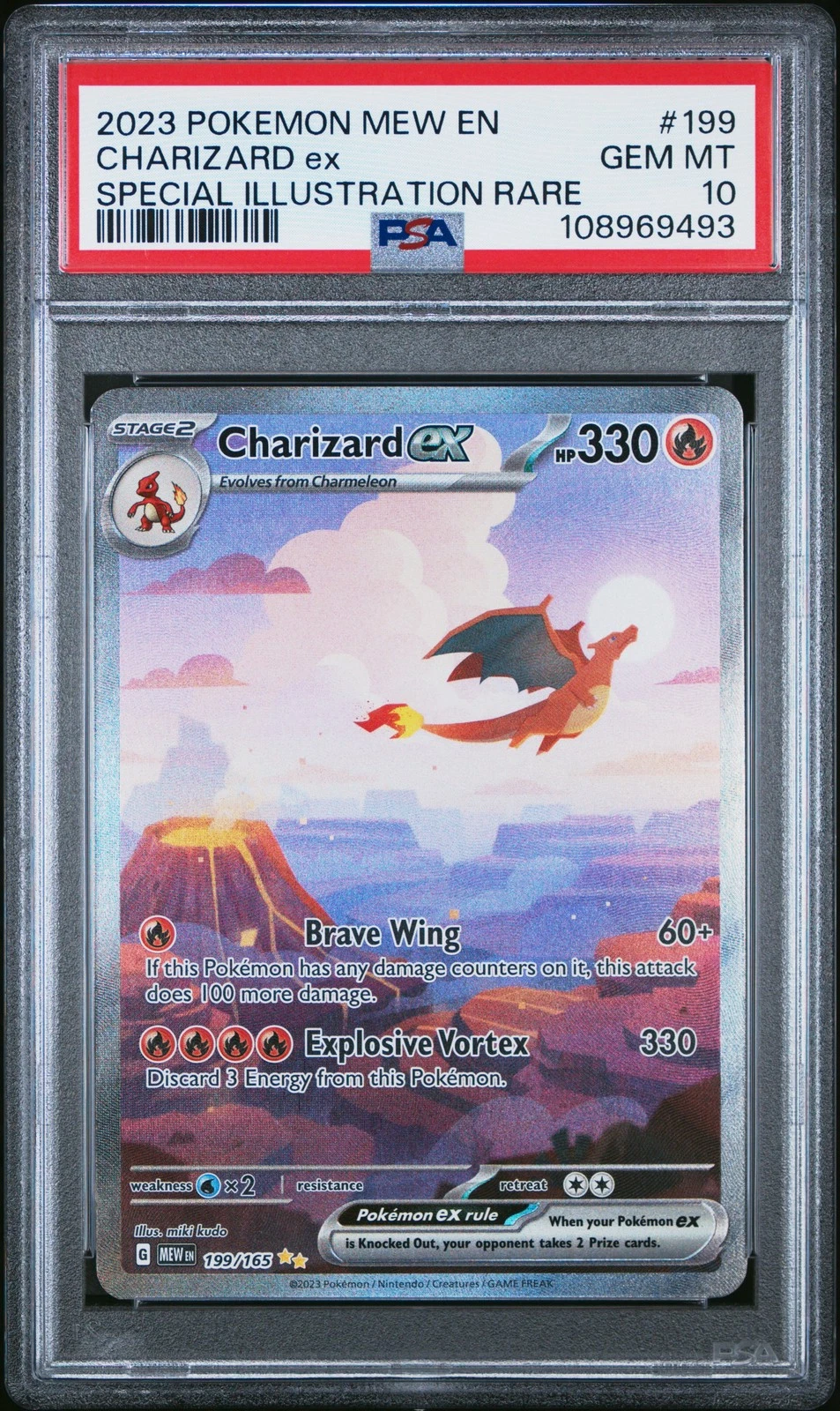
Look at the bottom of the card. Modern cards show a small set symbol and a number like 025/165. The first number is the card, and the second is the number of cards in the main set. When the first number is higher than the second, you are looking at a secret or extended rarity, such as an illustration rare or special illustration rare. Those are often the cards collectors chase hardest, so set them aside.
Rarity symbol
Near the bottom corner you will usually see a small symbol. A circle means common, a diamond means uncommon, and a star means rare. Newer sets add more detailed markers for double rares, ultra rares, and the higher tiers. Commons and uncommons are generally bulk, with exceptions for older sets and popular characters, which is exactly why we check individually rather than guess.
Holo versus reverse holo
A standard holo has foil in the artwork window while the rest of the card is matte. A reverse holo is the opposite: the foil covers the card body and border, and the art is not shiny. Reverse holos of ordinary cards are usually still bulk, but a holo rare from an older set can be a different story. If you are unsure which you have, tilt the card under a light and sort it into the pile for a closer look.
1st Edition stamp and Shadowless
On early English cards, a small 1st Edition stamp sits on the left side just below the artwork. Early Base Set cards also come in a Shadowless version, which lacks the drop shadow along the right edge of the art frame that later printings have. Both can carry a real premium over the standard version of the same card, but they are also commonly misidentified, so do not clean them, do not rub them, and do not decide anything yourself. Bring them in as they are and let a buyer compare them against current sold comps.
Alt-arts and special illustration rares
Modern chase cards often feature artwork that spills beyond the frame or tells a small scene around the Pokémon. These alt-arts and special illustration rares are some of the most sought-after modern cards. A single one can matter more than a hundred ordinary pulls, so pull them out of the stack and protect them first.
Card condition: how it changes the offer
Condition is the second big lever after identification. Two copies of the same card can land far apart depending on wear. Buyers generally use the five standard raw grades below, and your honest self-assessment before you arrive will make the conversation easier.
| Condition | Corners | Edges | Surface | Centering |
|---|---|---|---|---|
| Near Mint | Sharp, with no visible wear | Clean, with at most a tiny fleck | Glossy, with no scratches or creases | Close to even borders |
| Lightly Played | Slight softness or minor whitening | Light whitening along a few edges | A few light scuffs or tiny scratches | Noticeably off but acceptable |
| Moderately Played | Visible rounding and whitening | Obvious whitening or small nicks | Clear scratching, scuffing, or light bends | Often visibly uneven |
| Heavily Played | Heavily rounded or worn through | Widespread whitening, chipping | Creases, heavy scratches, or dents | Can be badly off-center |
| Damaged | Bent, torn, or missing material | Tears, peeling, or heavy chipping | Major creases, water damage, writing, or stains | Often not meaningful |
Condition affects some cards far more than others. For a valuable older card, the gap between Near Mint and Lightly Played can be large, while for a common it barely registers. Damaged cards are not automatically worthless, particularly rare ones, so bring them in rather than throwing them out.
How singles and bulk are priced in one visit
Most collections are a mix, and that is how we price them. In a single visit, a buyer sorts what you brought into two groups.
- Notable singles: Cards with real individual demand, such as holo rares from older sets, 1st Edition cards, alt-arts, special illustration rares, and popular characters, are looked up and priced one at a time against live sold comps.
- True bulk: The commons, uncommons, and low-demand rares and reverse holos that have little individual value are priced by the lot.
The advantage of this approach is that you do not have to choose between selling everything as bulk or spending an afternoon listing cards one by one. Your best cards get their own number, and the rest are handled quickly. We never use a flat bulk rate across the whole collection, because that would shortchange you if there is something good in the pile.
We do not publish prices, since the market moves and condition decides so much. For a rough sense before you visit, the free quote form is the best starting point, and a walk-in offer is the final word once we can see the cards. If you have a larger pile, our overview of how to sell Pokémon cards and collectibles shows what else we look at.
Sealed product and graded slabs
Sealed product
Sealed Pokémon products such as booster boxes, bundles, and tins are inspected in person. We check the shrink-wrap, the seams, and the weight to rule out resealing, which is a real concern in this hobby. Please bring sealed items in their original condition, and do not open them, press on them, or re-wrap anything to make it look nicer.
Graded slabs
If you already have graded cards, we buy PSA, CGC, BGS, and SGC slabs. The cert number and holder are verified in store, and each company's slabs are priced on their own comps, because a grade from one company does not necessarily sell the same as the same number from another. Details are on our page for how to sell graded Pokémon cards.
Should you grade first, or sell raw?
This is the question we hear most from people sitting on a good card. The honest answer is that it depends, and it is not always worth it. Here are the trade-offs in relative terms.
- Time: Grading takes patience. Between shipping, queue times, and return shipping, you are waiting a long time compared with walking in and being paid today.
- Fees: Grading costs money per card, and shipping and insurance add to it. For lower-value cards, the fees can eat most or all of the benefit.
- Risk: A card can come back with a lower grade than you hoped, and a card that looked Near Mint to you can have a flaw under magnification. If the grade disappoints, the slab may be worth less than you expected relative to what you spent.
- Upside: A high grade on the right card can make a meaningful difference to value, especially for older, in-demand cards in excellent shape.
A fair rule of thumb: if the card is common, played, or from a set with limited demand, selling raw is usually the sensible route. If you have a pristine copy of a genuinely valuable card and you do not mind waiting, grading may be worth considering. If you are unsure, bring it in and ask. A buyer can tell you whether it looks like a grading candidate or a sell-now card, with no pressure either way.
How to bring your cards in
A little preparation gets you a faster, better experience, and it protects the value of what you have.
- Protect the good cards first. Put valuable singles in soft sleeves, then in top loaders or semi-rigid holders if you have them. Do not force a card into a tight holder.
- Sort your binders. Leave binder pages as they are if the cards are neatly arranged. Flag anything you think is special with a loose sticky note on the page, not on the card.
- Keep bulk in boxes. Storage boxes or card boxes work well for large piles. Sorting by set is helpful but not required.
- No rubber bands. Rubber bands dent edges and corners and can leave marks on the surface. Use a box or a sturdy bag instead.
- Do not clean or flatten cards. Wiping, polishing, or pressing a card often does more harm than good.
- Bring your ID. A valid government photo ID is required for every sale.
Bring everything in one trip. It is easier for the buyer to evaluate the whole collection at once, and it means you leave with a single payout.
Other cards we buy besides Pokémon
If your closet also has other cards, bring them along. We also buy Magic, Yu-Gi-Oh!, One Piece, and Lorcana, as well as sports cards. The same card-by-card logic applies: notable singles are priced individually, and true bulk is priced by the lot.
And because we are an electronics buyback store at heart, you can sell old gadgets on the same trip. We pay cash for used, new, and broken phones, tablets, laptops, game consoles, cameras, and more. If you have a New York-wide question, our page for selling electronics in New York lists all locations.
Selling Pokémon cards from nearby towns
We are a short drive for collectors across central and south Nassau County. Here is how it works for people coming from each area. Check your map app for the best route on the day.
Hempstead
Hempstead is right next door, and Hempstead Turnpike is a familiar road for the trip. Many collectors from there bring a binder or a shoebox of old cards. You can walk in during opening hours without booking a time.
Westbury
Westbury sellers often have cards that have been stored away since they were kids, or a pile from a younger family member. Bring them as they are, sorted loosely, and we will go through them with you at the counter.
Hicksville
If you are coming from Hicksville, it makes sense to bring everything in a single visit, including binders, sealed products, and any graded slabs. Bulk is priced by the lot and your notable singles are priced individually, so one stop covers it all.
Bethpage
Bethpage collectors tend to have a mix of older cards and recent pulls. Set your top loaders aside from the bulk before leaving the house, and skip the rubber bands so the edges stay clean for inspection.
North Massapequa
From North Massapequa, it is worth making the trip if you have a larger collection and want a one-visit answer with cash paid on the spot. Bring your photo ID and, if you can, a short list of the cards you think are the best ones.
Seaford
Seaford sellers often want a quick answer on whether a card is worth grading or selling raw. Bring it in, and a buyer can walk you through condition and current comps before you decide.
Frequently asked questions
Do I need an appointment to sell Pokémon cards?
No. You can walk in during store hours with your cards. If you would like a head start, you can get a free quote online first.
Will you pay one flat price for my whole collection?
No. Notable singles are priced individually from live sold comps, and true bulk is priced by the lot. We do not apply a flat bulk rate to everything.
Do I need to sort my cards before I come in?
It helps but is not required. Pulling out holos, 1st Edition cards, alt-arts, and special illustration rares is the most useful step. Keep bulk in a box and leave binders as they are.
Do you buy graded Pokémon cards?
Yes. We buy PSA, CGC, BGS, and SGC slabs, verify the cert number and holder in store, and price each on its own comps.
Can I sell sealed Pokémon products?
Yes, with in-person inspection. We check the shrink-wrap, seams, and weight to rule out resealing.
What do I need to bring?
Your cards and a valid government photo ID. The ID is required for every sale.
How do I get paid?
Cash, on the spot, once you accept the offer.
Ready to find out what your Pokémon cards are worth? Get your free quote or just bring them to Sell Your Gadgets East Meadow at 477 Newbridge Rd, East Meadow, NY 11554, near Hempstead Tpke and Taylor Ave. We are open Monday through Saturday from 10:00 AM to 8:00 PM and Sunday from 11:00 AM to 5:00 PM. You can also call (516) 765-3511.
Hear from a real customer
A real customer on their experience. Working or broken, get a free quote and walk out with cash the same day.
Compare your options
See how selling to us stacks up against other ways to sell, side by side.