Sell PSA Graded Pokémon Cards Near Me in Catonsville, MD
By syedladen ·
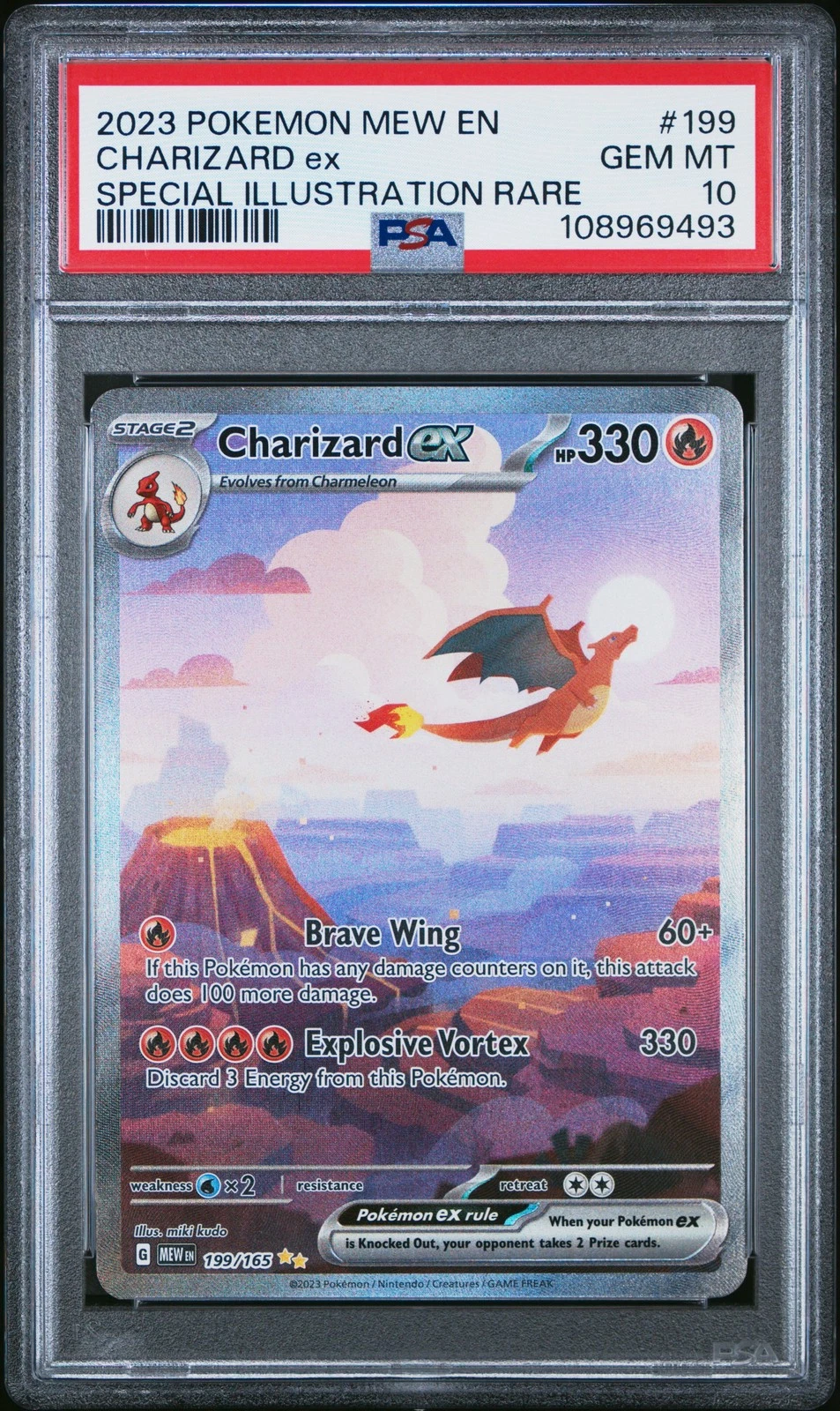
If you want to sell PSA graded Pokémon cards near you in Catonsville, MD, walk into Sell Your Gadgets with the slabs and no appointment. Our buyers verify the cert, price each slab on its own sold comps, and pay cash on the spot with a valid photo ID.
What happens when you walk in with graded Pokémon slabs
The process is deliberately simple. You bring your slabs to the Sell Your Gadgets Catonsville store and a buyer looks at them with you at the counter. There is no drop-off, no mailing, and no waiting weeks for a check.
- Bring the slabs. No appointment is needed. Keep them in a card box or a padded case so the holders do not get scuffed on the way.
- Cert and holder check. The buyer verifies the cert number and inspects the holder in store.
- Card-by-card pricing. Each slab is priced using internal tools that pull live sold comps. There is never a flat rate for a stack of graded cards.
- Cash on the spot. If you like the offer, you are paid in cash on the same visit. Every sale requires a valid government photo ID, which is the standard secondhand-dealer rule.
If you would rather have a number in mind before you drive over, you can request a free cash quote by form or text. For a quick overview of how we handle slabs, see our page on how to sell graded Pokémon cards.
How graded slabs are priced
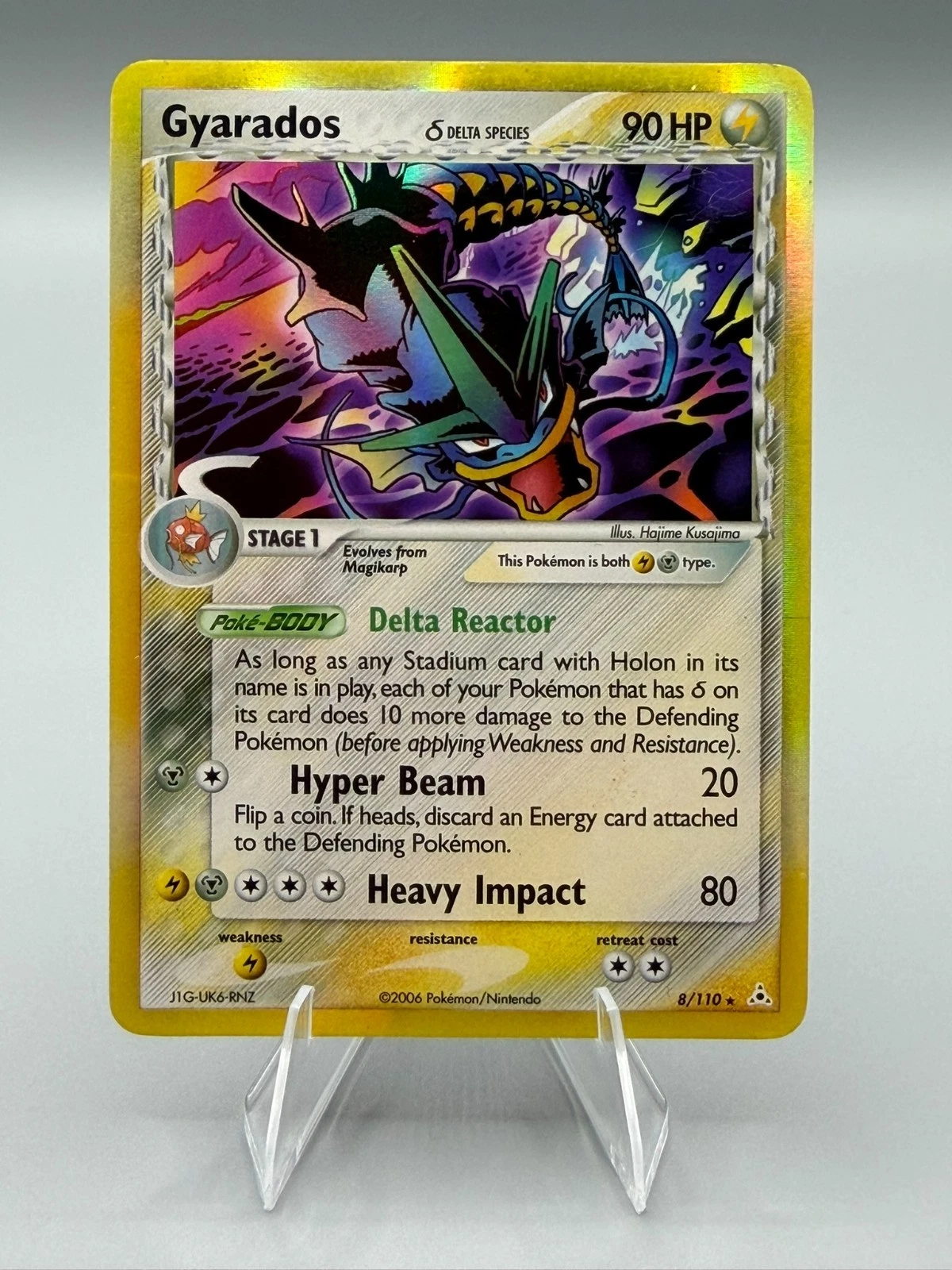
A graded card is not just "a Charizard." The market treats it as a very specific item, and the price follows four things at once: the exact card, the set it came from, the numerical grade, and the company that graded it. Change any one of those and the recent sales change too.
The four pieces of a comp
- Exact card: The character is only the start. Variants, holo patterns, promos, and language all matter.
- Set and edition: The same Pokémon from two different sets can sit in very different price territory. First edition, shadowless, and unlimited prints are separate markets in the older sets.
- Grade: The gap between one grade and the next can be large for popular cards, especially at the top of the scale. A 9 and a 10 are not close cousins in the sold data.
- Grader: A PSA 10 and a CGC 10 of the same card do not necessarily sell for the same amount. Each is priced on its own comps.
Why we do not use a flat rate
A flat rate per slab would be wrong for nearly every card. It would overpay for common cards in modest grades and underpay for the ones collectors actively chase. Pulling live sold comps card by card is slower than quoting a number off a chart, but it is the only fair way to price slabs. We do not publish prices on this page because the right number depends on what the same slab has actually sold for recently. Whether a given card holds its value better or worse than another depends on demand, and demand moves.
PSA vs CGC vs BGS vs SGC: what sellers should know
All four graders are bought here, and each is priced on its own comps. The table below covers widely known differences that affect how a slab behaves when you sell it. It is general context, not a price ranking.
| Grader | Label and holder | Subgrades | Resale depth |
|---|---|---|---|
| PSA | Red and white label in a clear holder; whole-number grade scale | Not shown on the standard label | Generally the deepest pool of buyers and sold comps for Pokémon |
| CGC | Clean label in a clear holder; Pristine and Gem Mint top tiers | Shown on some label types | Growing market with real demand; fewer comps than PSA for many cards |
| BGS (Beckett) | Thicker holder with a label that lists four subgrades; half-point grades | Centering, corners, edges, surface | Strong for top-end slabs, especially the highest tiers; more selective than PSA |
| SGC | Black insert in a clear holder, often called the tuxedo look | Not typically shown on the standard label | Well known in vintage and sports cards; Pokémon demand is real but comps can be thinner |
How to read this as a seller
Resale depth is mostly about how many comparable sales exist. A slab with plenty of recent sold comps is easier to price with confidence, which usually helps a seller. A slab from a grader with fewer comps can still be worth a lot, but pricing takes more care. If you are searching for who buys PSA cards near me, or you hold CGC Pokémon cards or BGS slabs, the answer here is the same: all of them, each on its own sold data.
BGS slabs deserve a note. The subgrades matter, because a 9.5 with strong subgrades is not the same as a 9.5 with a weak one. Bring the slab as is and the buyer will look at the label in detail.
Cert verification: in store and before you visit
Every graded card carries a certification number on the label. That number ties the card to the grader's database record, and it is how we confirm that the slab is what it claims to be.
What we check in store
- The cert number on the label matches the grader's record for that card, grade, and set.
- The holder looks right: seams, weight, label alignment, and signs of tampering.
- The card inside matches the label. Cards are viewed through the holder to check for obvious mismatches.
How to look up your own cert first
PSA, CGC, BGS, and SGC each run a public cert lookup on their websites. Type the number from your label into the grader's lookup page and compare the result to your slab. Many newer labels also have a QR code that goes straight to the record.
- Find the cert number printed on the label.
- Search that number on the grader's official cert page.
- Check that the card name, set, year, and grade match your slab.
- Screenshot the record or write the numbers down, then bring the slab in.
This takes a minute and tells you early if something looks off, such as a label that does not match the record. It also gives you the exact card and grade to describe if you start with a free quote request.
Cracked, scratched, or damaged holders
Slab condition matters, but not always in the way people expect. A few light scuffs on the plastic usually matter far less than what is inside the holder. Deep scratches across the front, a cracked case, or a damaged label can matter more, because buyers see a harder resale.
Cracked holders
A cracked slab is still a graded card, but the protection is compromised and some buyers become cautious. We will inspect it and price it based on what is realistic. Do not open or crack a slab yourself to try to improve it. A card removed from its holder is no longer a graded card, and you cannot undo that.
Crossover
Crossover means sending a graded card to a different grader to be re-slabbed, ideally at the same or a better grade. It can make sense when a card is high-grade, the market clearly favors the other grader's holder, and you are comfortable with the cost and the wait. The risk is that the new grader grades it lower, and then you have spent money to end up with less. Crossover rarely makes sense for modest cards.
Resubmission
Resubmission means sending the same slab back to the same grader for another look. It is usually a gamble on a borderline card. It is reasonable when you can see a clear issue with how a valuable card was graded, and generally not worth it for cards that already sell well at their current grade. If you are unsure, bring the slab to the store and ask what the sold comps look like at the current grade and at the next one up. Selling as-is is often the simpler choice.
One slab or a whole graded collection
Single slabs and large collections are both welcome, and neither needs an appointment.
Selling one slab
A single slab is quick. The buyer verifies the cert, checks the comps for that exact card, grade, and grader, and gives you an offer. If it is a standout card, the whole visit can be short.
Selling a collection
A collection takes longer, because every slab is priced on its own. Plan some extra time, and bring a list if you have one. A few tips:
- Group by grader so verification goes faster.
- Set aside the slabs you are not sure about selling. You are never obligated to sell the whole lot.
- Bring any raw cards or sealed product in the same trip. Notable raw singles are priced individually, and true bulk is priced by the lot.
Offers on a collection are the sum of individual slab pricing, not a blended discount on the stack.
Local sale vs online marketplace, card shows, or consignment
Selling in person is not always the highest possible outcome, and it is worth being honest about that. It is about trade-offs between speed, effort, and certainty.
| Option | Upside | Trade-off |
|---|---|---|
| Sell locally for cash | Paid on the spot, no shipping, no buyer disputes, no listing work | A buyer has to price in resale, so the offer is below a patient retail sale |
| Online marketplace | Large audience and the chance to reach the right collector | Fees, shipping risk, possible returns or disputes, and waiting for a buyer |
| Card shows | Face-to-face with collectors and dealers, quick deals possible | Table or travel costs, a full day of your time, and no guarantee of the right buyer |
| Consignment | A shop does the selling for you | You wait for the sale, may share the proceeds, and your slab sits in someone else's case |
If you want certainty and cash today, local is hard to beat. If you have one very high-end slab and plenty of patience, it may be worth checking how it would do online, and you can still ask us for a quote to compare. For a broader look at rare cards, see our guide to selling rare and famous Pokémon cards.
Raw cards, sealed product, and other TCGs
Many people show up with more than slabs. Here is how the rest of a Pokémon collection is handled at the counter.
- Raw singles: Notable cards are priced individually on live sold comps. True bulk is priced by the lot.
- Sealed product: We inspect shrink-wrap, seams, and weight in person to rule out resealing. Bring it in its original condition and do not open anything you plan to sell.
- Other card games: We also buy Magic, Yu-Gi-Oh!, One Piece, Lorcana, and sports cards.
For the full picture on what we take, see our page for Pokémon cards and collectibles. We are also an electronics buyback store, so you can sell old phones, tablets, and consoles during the same visit. Learn more about selling electronics in Catonsville.
Coming from nearby towns
We are on Baltimore National Pike (US-40) in Catonsville, and customers come from across the west side of the Baltimore area. From I-695, take Exit 15B onto US-40 West. MTA Maryland bus routes run along Baltimore National Pike as well. We are near Westview Mall, The Home Depot, ALDI, and Sam's Club, which makes the stop easy to pair with errands.
Baltimore
If you are coming in from the city, the I-695 route to Exit 15B is the most direct approach. Many Baltimore collectors bring slabs along with older phones or consoles, which we can price in the same visit. Bring your photo ID and we can handle everything at the counter.
Ellicott City
Ellicott City sellers can reach us by heading toward Catonsville on US-40. It is a straightforward drive, and Patapsco State Park is a familiar landmark in the area. Bring your slabs in a sturdy case so they travel safely.
Arbutus
Arbutus is right next door, so a trip to the store is short. It is easy to stop in after work during our Monday through Saturday hours. Walk in with your cards and no appointment is needed.
Woodlawn
Woodlawn customers can hop on I-695 and reach Exit 15B quickly. That makes it practical to bring a whole graded collection in a single trip. Plan a little extra time if you have many slabs to be priced one by one.
Windsor Mill
From Windsor Mill, the drive to Catonsville is short and mostly familiar local roads. Many people come by after errands. Bring any cert numbers you have already looked up and the process moves faster.
Halethorpe
Halethorpe is a short drive from our storefront. If you have sealed product, bring it in its original condition so we can inspect the wrap and seams in person. UMBC and Downtown Catonsville are nearby if you want to make a day of it.
Frequently asked questions
Do I need an appointment to sell graded Pokémon cards?
No. Walk in during store hours with your slabs and a valid government photo ID. A buyer will go through them with you.
Do you really buy CGC Pokémon cards and BGS slabs, not just PSA?
Yes. PSA, CGC, BGS, and SGC slabs are all bought here. Each is priced on its own sold comps for the exact card, set, grade, and grader.
How do you decide what my slab is worth?
Buyers use internal pricing tools that pull live sold comps card by card. There is no flat rate and no blanket per-slab number. For a starting point, you can request a free quote.
Can I check my cert number before I come in?
Yes. Each grader has a public cert lookup on its website. Enter the number from your label and confirm the card details match your slab. It takes a minute and helps you know what you have.
Should I crack a slab or resubmit a card before selling?
Usually no. Opening a slab removes the grade, and crossover or resubmission costs time and money with no guarantee of a better result. If you are unsure, bring the slab in and compare the comps first.
Will you buy sealed Pokémon product and raw cards too?
Yes. Sealed product is inspected in person for shrink-wrap, seams, and weight to rule out resealing. Raw singles of note are priced individually, and true bulk is priced by the lot.
What do I need to bring?
Bring the cards and a valid government photo ID. Cert numbers or a short list are helpful but not required.
Ready to sell? Get a free cash quote or just walk in at Sell Your Gadgets Catonsville, 6400 Baltimore National Pike, Ste 150A, Catonsville, MD 21228. We are open Monday through Saturday from 10:00 AM to 7:00 PM and closed Sunday. You can also call (443) 333-5003.
Hear from a real customer
A real customer on their experience. Working or broken, get a free quote and walk out with cash the same day.
Compare your options
See how selling to us stacks up against other ways to sell, side by side.