Sell Pokémon Cards Near Me in Elmwood Park, NJ for Cash
By syedladen ·
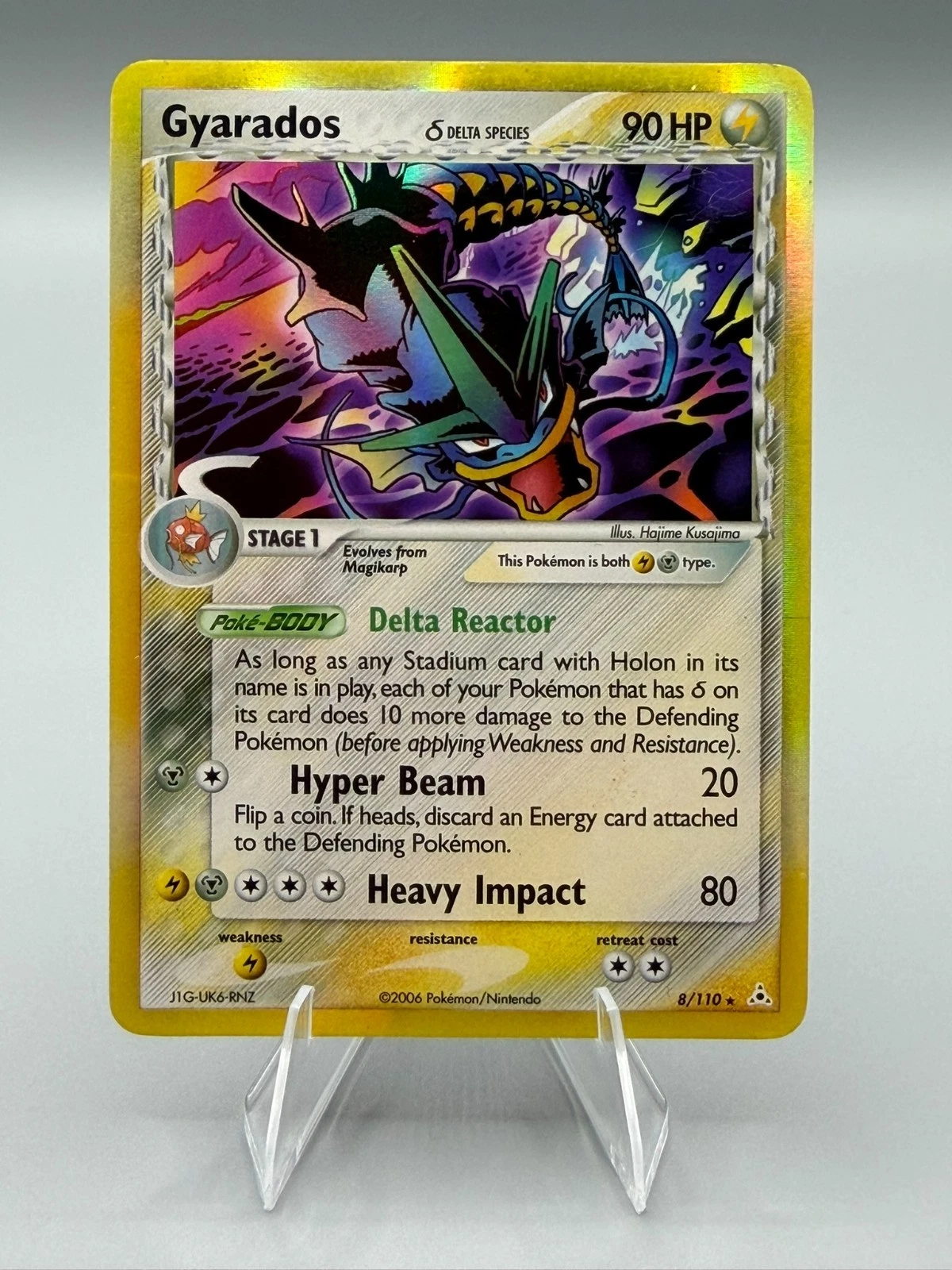
If you want to sell Pokémon cards near you in Elmwood Park, NJ, walk into Sell Your Gadgets at 81 Broadway with your cards and no appointment. Our buyers price notable singles one at a time from live sold comps, price true bulk by the lot, and pay cash on the spot with a valid photo ID.
Where to sell Pokémon cards locally in Elmwood Park
Most people with a pile of old cards have the same options: ship them to an online marketplace and wait, list singles one by one, or sit down with a buyer face to face. Selling locally wins on speed and certainty. You see the cards get looked at, you hear the reasoning, and you leave with cash instead of a tracking number.
The Sell Your Gadgets Elmwood Park store is a buyback shop. We pay customers, we do not sell devices, and that includes how we handle trading cards. If you want a rough idea first, you can request a free cash quote online, by text, or just come in. For the specifics on our card buying, see our pages on selling raw Pokémon cards and Pokémon cards and collectibles.
How we buy Pokémon cards at this store
The process is short on purpose. You bring the cards, a buyer goes through them with you at the counter, and you decide whether to sell. Here is what happens for each type of item:
- Raw singles: notable cards are priced individually using internal tools that pull live sold comps card by card.
- True bulk: commons, uncommons, and low-demand cards are priced by the lot after the valuable cards are pulled out. We never apply a flat bulk rate to a collection that has real cards hiding in it.
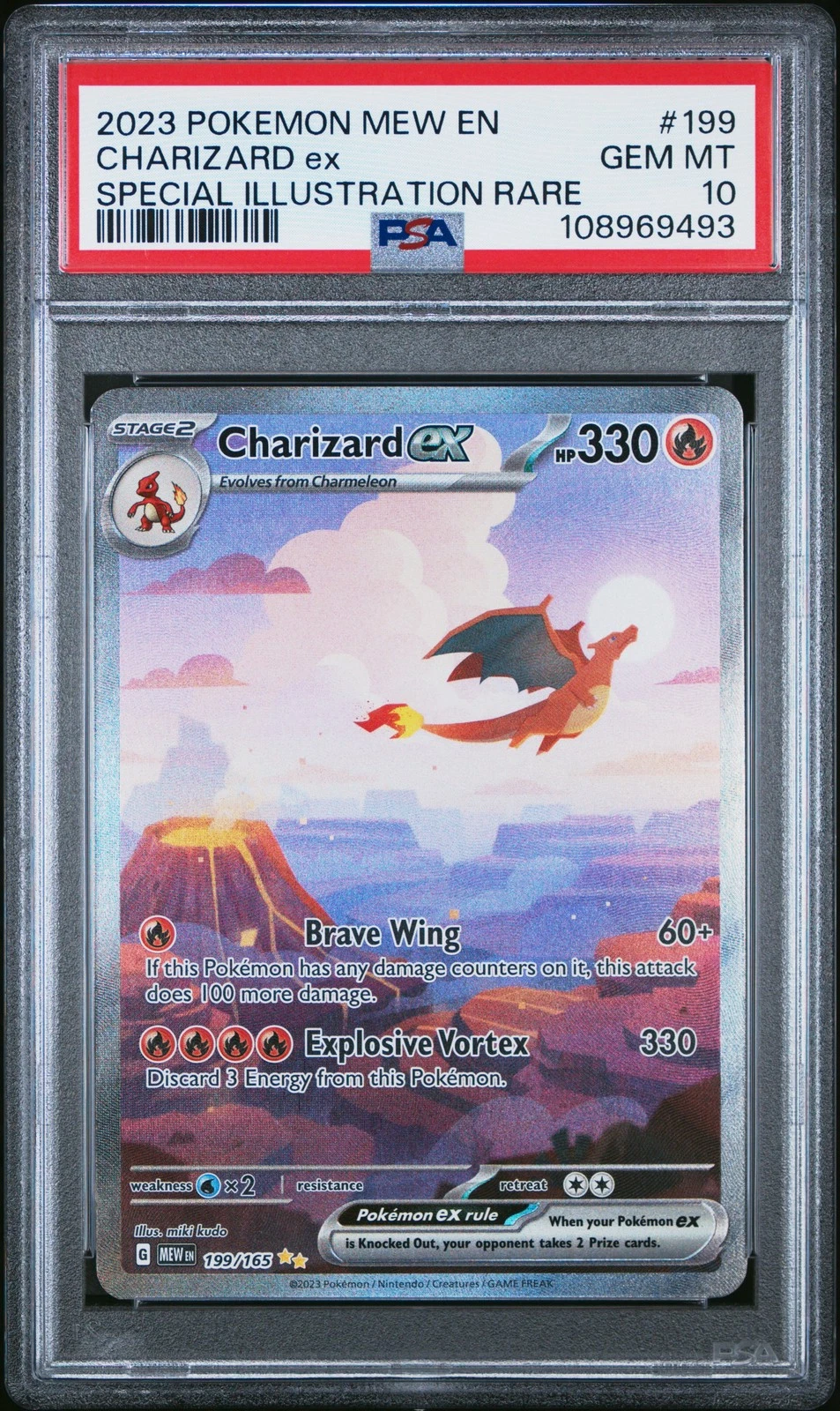
- Graded slabs: we verify the cert number and the holder in store. PSA, CGC, BGS, and SGC are all bought, and each is priced on its own comps, because a slab from one company does not automatically trade like another.
- Sealed product: we inspect shrink-wrap, seams, and weight in person to rule out resealing. Sealed product can be a great sell, but only when it is what it appears to be.
We also buy Magic: The Gathering, Yu-Gi-Oh!, One Piece, and Lorcana, plus sports cards, so a mixed shoebox is not a problem. Cash is paid on the spot, and a valid government photo ID is required for every sale under the standard secondhand-dealer rule.
How to spot the valuable cards in a collection
You do not need to be an expert to do a first pass. Knowing what to look for helps you separate the cards worth a closer look from the ones that belong in a bulk lot. Check these features on each card.
Set symbol and card number
The small set symbol sits near the bottom of the card on modern prints, or beside the artwork on older ones. The card number, shown like 25/102, tells you where the card falls in the set. When the first number is higher than the second, you are looking at a secret or special rarity that was printed beyond the main set list. Those are worth setting aside every time.
Rarity symbol
Look at the small symbol near the card number: a circle for common, a diamond for uncommon, a star for rare. Newer sets add other markers for ultra and special rarities. Rarity does not equal value on its own, since a popular character in a common slot can outsell an obscure rare, but it narrows your search.
Holo versus reverse holo
A holo card has a foil effect on the artwork only. A reverse holo has foil across everything except the artwork. They are different print types, and which one is worth more depends on the set and the card. Do not assume either way; tell us which you have and we will check it against sold comps.
1st Edition stamp and Shadowless
On early English sets, a 1st Edition stamp sits to the left of the artwork, near the lower left. Shadowless cards come from the early Base Set print run and lack the drop shadow along the right edge of the artwork frame. Both markers can matter a great deal for the right cards, and both are commonly misread, so if you think you have one, bring it in rather than guessing.
Alt-arts and special illustration rares
Modern chase cards often have artwork that extends past the frame or across the whole card. Alternate arts and special illustration rares typically carry numbers past the printed set total. Collectors chase them, and the best ones can be among the most valuable cards in a modern binder. Pull every full-art card aside, even if you do not recognize the Pokémon.
Condition table: what each grade looks like
Condition changes the price of a raw card more than most sellers expect. Buyers grade what they see under good light, and a single card can fall between categories. Use this table as a guide for sorting before you come in.
| Condition | Corners | Edges | Surface | Centering |
|---|---|---|---|---|
| Near Mint | Sharp, with no visible wear | Clean, with at most a tiny speck of whitening | Glossy, with no scratches or creases | Reasonably even borders, though minor offset is common |
| Lightly Played | Slight softness or minor whitening | Light whitening along a few edges | A few faint scuffs or light scratches | May be noticeably off but still presentable |
| Moderately Played | Rounded or clearly worn | Obvious whitening on most edges | Visible scratching, scuffs, or light bends | Often uneven, and wear can make it hard to judge |
| Heavily Played | Heavily rounded, possibly frayed | Widespread whitening or chipping | Creases, heavy scuffing, or dulled finish | Frequently poor |
| Damaged | Bent, torn, or missing material | Peeling, tearing, or deep chips | Major creases, water damage, writing, or stains | Not a deciding factor at this point |
Condition affects the offer on a relative basis. A clean copy of a card holds value noticeably better than a worn one, and a damaged copy of a good card can still have value, just much lower. Do not clean or press cards before you come in. Wiping a surface can cause damage that a buyer will spot immediately.
How singles and bulk are priced in one visit
A typical collection has two layers. The top layer is the cards that have real individual demand. The bottom layer is everything else, and it sells as volume. We handle both in a single visit so you do not have to split the collection between buyers.
- Sort pass: a buyer goes through the cards and separates notable singles from bulk.
- Single pricing: each notable card is checked card by card against live sold comps, adjusted for condition and print type.
- Bulk pricing: the remainder is evaluated as a lot, based on what is actually in it rather than a flat per-card figure.
- One offer: you get the combined offer explained clearly. If you only want to sell part of it, that is fine.
That is why we avoid quoting a blanket bulk number. A flat rate undervalues the good cards or overpays for the junk, and neither is fair. If you have a big box and want to sell bulk Pokémon cards, the sorting pass is where the real answer comes from. For a general feel before you head over, send us a description through the free quote form.
Should you grade your cards first?
Grading is not automatically the better move. It can raise the ceiling on a strong card, but it adds time, fees, and risk, so it only makes sense for the right cards.
Time
Grading means sending cards out and waiting, sometimes for a long stretch depending on service level. Selling raw today means cash today. If you need the money soon or simply want to be done, that wait matters.
Fees
You pay to grade every card, whether or not the result is good. For a card that is only worth a modest amount raw, fees can eat much of the upside. For a high-demand card in excellent shape, the fee is easier to justify.
Risk
A card you think is perfect can come back with a lower grade than you expected because of centering, a hidden surface line, or an edge flaw. A lower grade can leave you with a slab worth less than you hoped, sometimes not much better than selling raw. Shipping adds its own risk too.
A practical way to decide
Bring the card in raw and let us show you what the comps look like for ungraded copies. If it is a strong candidate for grading, we will tell you honestly. If you already have slabs, we buy them too: see how we buy graded Pokémon cards.
How to bring your cards in
A little prep makes the appraisal faster and protects your cards on the way over.
- Use sleeves: put your better singles in soft sleeves, and add top loaders for the valuable ones.
- Sort your binders: if your cards are in binders, bring the whole binder. Pages let us flip through quickly, and you do not need to pull anything out.
- Keep bulk organized: use a box or deck boxes. Sorting by set is a bonus but not required.
- No rubber bands: they dent edges and corners, and a band can quickly turn a clean card into a worn one. Skip them entirely.
- Bring everything: sealed boxes, graded slabs, and loose cards. We handle all of it in one stop.
- Bring your ID: a valid government photo ID is required for every sale.
Do not worry if your collection is not tidy. A messy shoebox is a normal starting point, and part of our job is to go through it.
Sealed product and graded slabs
Sealed product is evaluated differently from loose cards. We examine shrink-wrap, seams, and weight in person to rule out resealing, which is why we prefer to see sealed items at the counter instead of judging from photos. Bring it in its original condition and leave it unopened.
For slabs, we verify the cert number and the holder in store, then price each grade on its own comps. PSA, CGC, BGS, and SGC are all bought. A slab and a raw copy of the same card are priced separately, because the market treats them as different products.
Nearby towns we serve
Sellers come to Elmwood Park from across Bergen and Passaic counties, and the process is the same no matter where you start. Here is what it looks like from each town.
River Edge
River Edge sellers get a face-to-face review and privacy protected before any money changes hands, with no mail-in guesswork. That matters for cards too: you watch each one get checked and you hear the reasoning. Bring your binder and walk out with cash.
Totowa
Totowa is minutes from the counter, which makes it easy to turn a pile of old gear into cash in a single trip. If you have a box of cards sitting beside old phones or tablets, bring everything together and we can handle it all in one visit.
Clifton
Clifton is right across the river, so Passaic County sellers can get instant cash without crossing into the city. A binder, a bulk box, or a few slabs all work, and you do not need an appointment.
Hackensack
As the Bergen County seat, Hackensack sees plenty of upgrades, and we buy what gets left behind, same day. If you are clearing out a closet, bring any trading cards along with the electronics so you only make one stop.
North Haledon
North Haledon households bring their old consoles, cameras, and iPhones down for a free, no-obligation cash quote. Cards fit the same routine: bring the collection, get a quote, and decide on the spot.
Paramus
Between Paramus mall trips, sellers stop in to trade last year's tech for cash instead of letting it lose value in a drawer. A stack of cards in a drawer is the same story, and a quick stop can turn it into cash.
Why sell Pokémon cards to us
Our Google rating is 4.9 from 1,400 reviews, and the themes repeat: quick transactions, clear communication, fair offers, and helpful staff who take the time to explain things. Customers describe payment matching what was promised, which is the standard we aim to hold on cards as well.
The other piece is flexibility. You can sell one chase card, a full binder, a sealed box, or a mixed collection of several games. If your electronics need a buyer too, our Elmwood Park electronics buying page covers phones, laptops, consoles, and more.
Frequently asked questions
Do I need an appointment to sell Pokémon cards?
No. Walk in during store hours with your cards and a valid government photo ID. A buyer will go through them with you at the counter.
Do you pay a flat rate for bulk Pokémon cards?
No. Notable singles are priced individually from live sold comps, and true bulk is priced by the lot based on what is actually in it. We do not apply a flat bulk rate to a collection.
Can I sell raw cards without grading them?
Yes. Many sellers prefer to sell raw because it is faster and avoids grading fees and risk. We price raw cards by print type and condition. See our page on selling raw Pokémon cards for more.
Do you buy graded Pokémon cards?
Yes. We buy PSA, CGC, BGS, and SGC slabs, verify the cert number and holder in store, and price each on its own comps.
Do you buy sealed Pokémon product?
Yes, after an in-person inspection. We check shrink-wrap, seams, and weight to rule out resealing, so bring sealed items in rather than sending photos.
What other cards do you buy?
Besides Pokémon, we buy Magic: The Gathering, Yu-Gi-Oh!, One Piece, Lorcana, and sports cards.
How do I get paid?
Cash, on the spot, once you accept the offer. A valid government photo ID is required for every sale.
Ready to find out what your collection is worth? Get a free cash quote or walk in at Sell Your Gadgets Elmwood Park, 81 Broadway, Elmwood Park, NJ 07407, at Broadway at Boulevard. We are open Monday through Saturday from 10:00 AM to 7:00 PM and Sunday from 11:00 AM to 5:00 PM, or call (201) 878-3402.
Hear from a real customer
Real experience, real cash. Working or broken, get a free quote and walk out with cash the same day.
Compare your options
See how selling to us stacks up against other ways to sell, side by side.