Sell Pokémon Cards Near Me in Irvington, NJ: Cash Guide
By syedladen ·
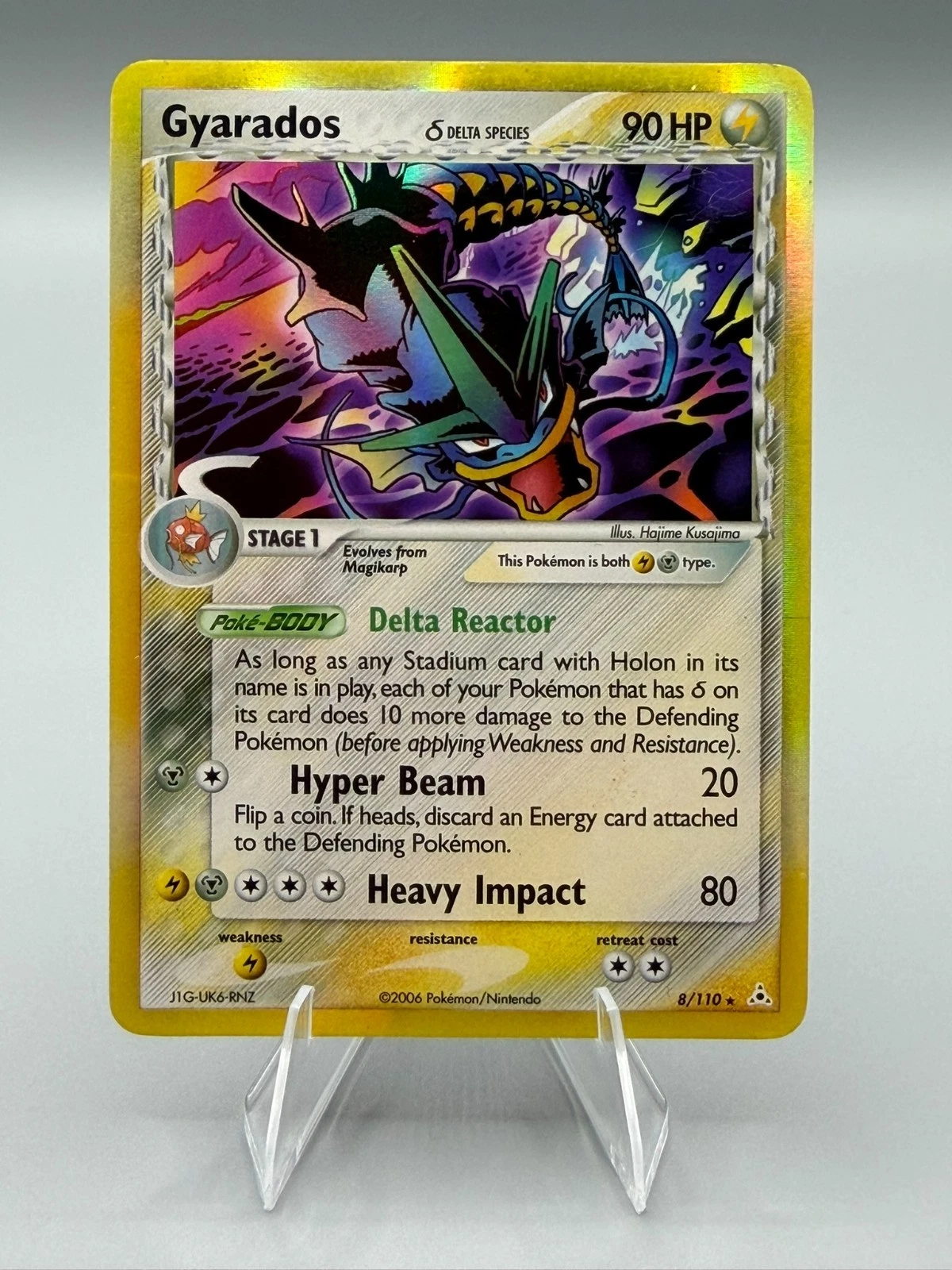
If you want to sell Pokémon cards near you in Irvington, NJ, bring them to Sell Your Gadgets on Springfield Ave: no appointment, a buyer looks through your cards in person, and you leave with cash on the spot. Notable singles are priced one by one from live sold comps, true bulk is priced by the lot, and a valid government photo ID is required for every sale.
Where to sell Pokémon cards locally in Irvington
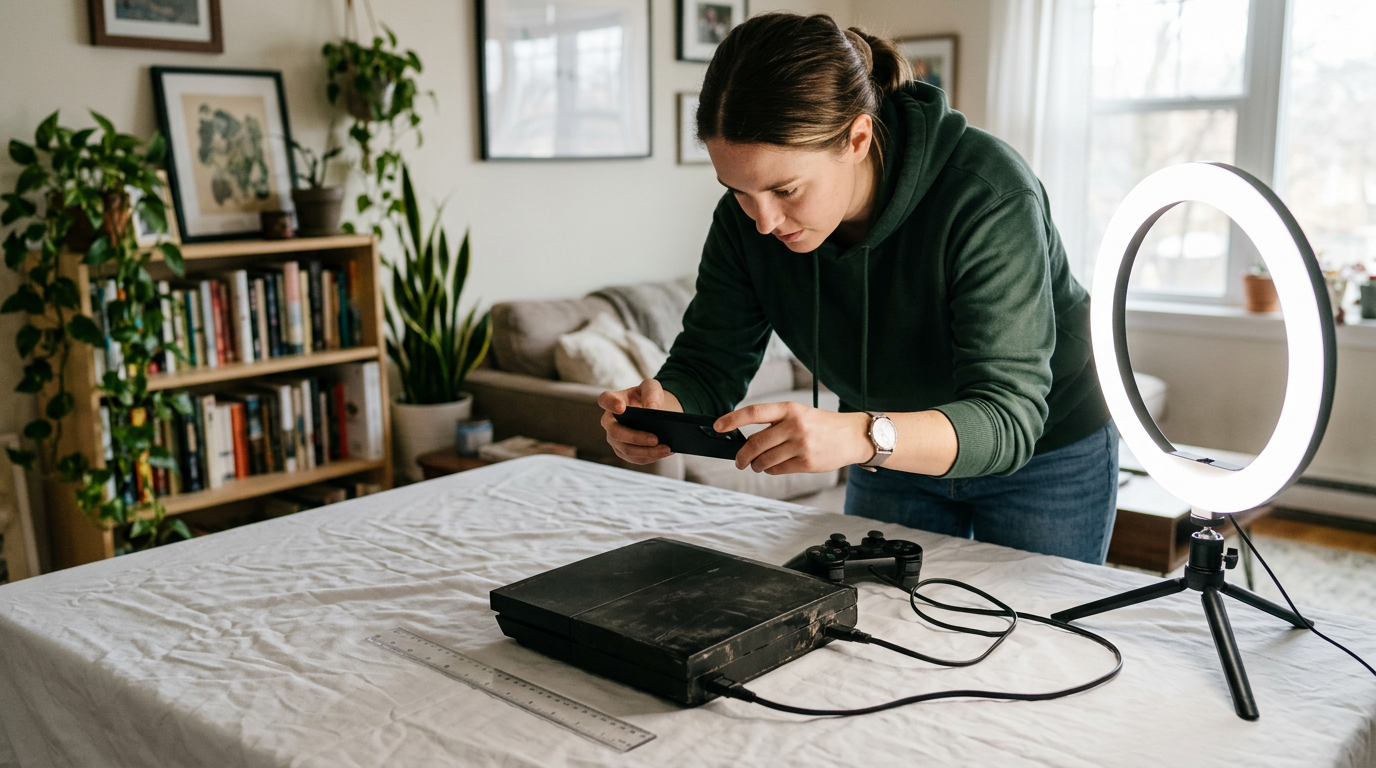
Most people looking for where to sell Pokémon cards locally have the same short list of options: an online marketplace, a card shop that mostly wants store credit, a convention table, or a buyer who actually pays cash. Each has trade-offs. Online selling can reach the widest audience, but you photograph every card, write listings, wait for buyers, pack orders, and handle disputes. Trade-in credit is fast but only useful if you plan to buy more cards. A walk-in cash buyer is the simplest route if you want to be done in one visit.
That is how we do it at the Sell Your Gadgets Irvington store. You walk in with the cards, a buyer goes through them with you, and you get an offer you can take or leave. We are primarily an electronics buyback store, but our buyers use internal pricing tools that pull live sold comps card by card, so a Pokémon offer is based on what that specific card has actually been selling for, not a flat guess. We never use a flat bulk rate across a whole collection.
Our Google rating is 4.9 from 684 reviews, and the themes customers mention most are clear explanations, friendly service, and fair, workable offers. That is the experience we aim for with cards too: no pressure, no mystery about how the number was reached.
How to spot the valuable cards in a collection
Before you come in, it helps to know what makes one card worth far more than another. You do not need to be an expert. A few quick checks will tell you which cards to pull out and handle carefully. We still price everything from live comps, but sorting ahead of time makes the visit faster.
Set symbol and card number
Every card carries a small set symbol and a number, usually near a bottom corner. The number is printed as a fraction, such as a card number over the set total. Those two details tell you exactly which printing you hold, and printing matters a lot, because the same character can appear in many sets with very different demand. If the number is higher than the set total, that is often a secret or special rare, and those deserve a closer look.
Rarity symbol
Look near the set symbol for a small rarity mark. A circle generally means common, a diamond uncommon, and a star rare. Newer cards add other markings and finishes for higher tiers. Commons and uncommons are usually what fills bulk, but exceptions exist, especially for older sets and popular characters, which is why we look instead of assuming.
Holo vs reverse holo
A traditional holo has a shiny illustration box with a normal matte border. A reverse holo flips that: the border and text area shine while the art box is flat. Both are normal printings, but they are different cards in the market, and each has its own sold comps. Do not toss reverse holos into the bulk pile without checking them.
1st Edition stamp and Shadowless
On early English sets, a small 1st Edition stamp sits to the left of the artwork, below the frame. Shadowless cards, from a very early print run, lack the drop shadow along the right edge of the art box that later printings have. Either feature can make a card meaningfully more sought-after than the standard version of the same card, so set those aside. Condition matters just as much here, so keep them out of loose piles.
Alt-arts and special illustration rares
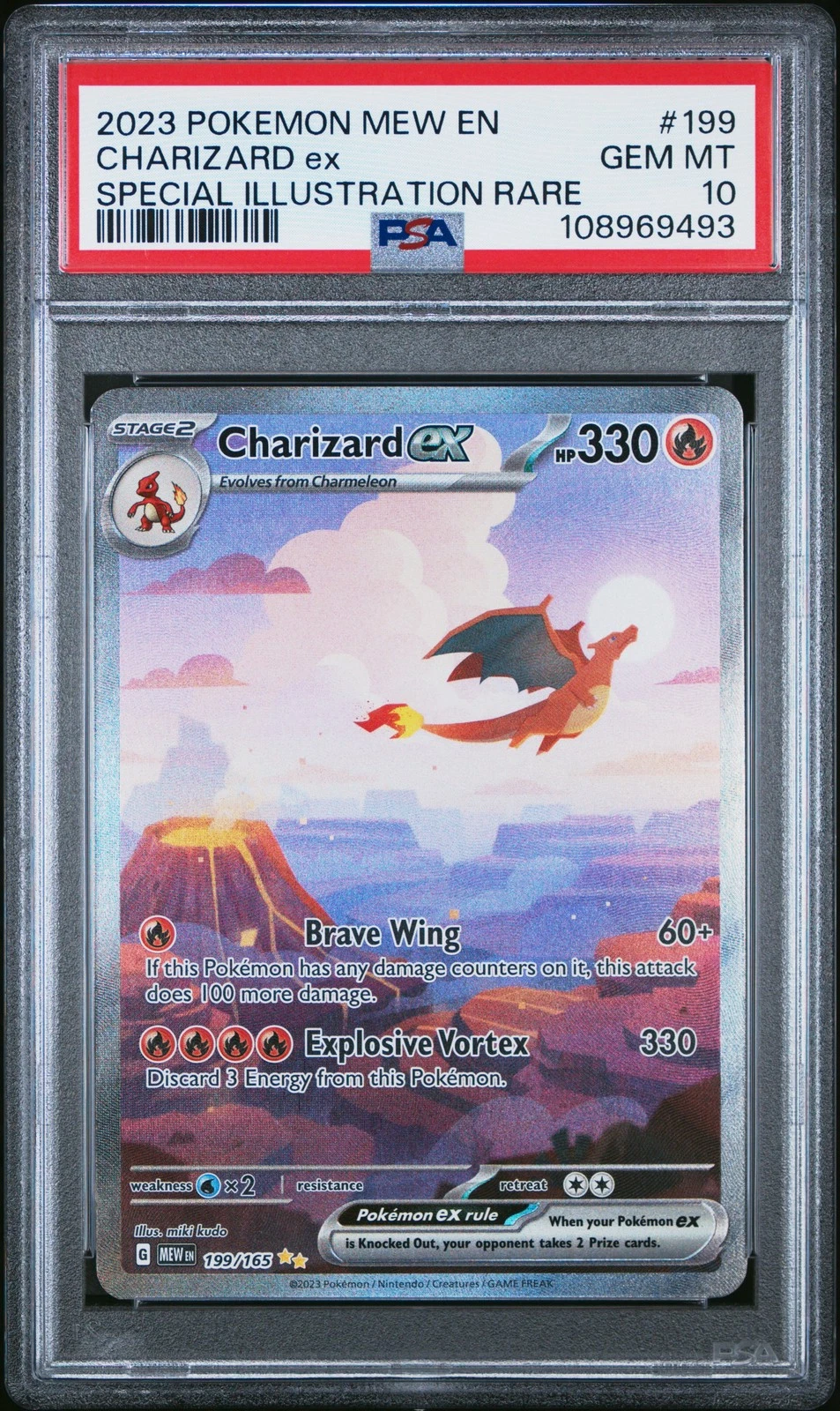
Modern chase cards look different at a glance. Alternate art cards use unconventional full-card artwork, and special illustration rares show a scene that often extends beyond the normal frame. They usually carry numbers higher than the set total. If you opened packs from recent sets, check for these before anything else.
Other signs worth setting aside
- Cards from older sets with the earlier border style and set symbols
- Full-art and textured cards from any era
- Promo cards with a stamped promo mark
- Anything that looks unusually clean or still in its original sleeve or case
Raw card condition: what buyers look for
Raw means ungraded, so condition is judged by eye. Two copies of the same card can be priced noticeably differently depending on wear. Here is how the standard grades of condition generally look:
| Condition | Corners | Edges | Surface | Centering |
|---|---|---|---|---|
| Near Mint | Sharp, no visible wear | Clean, essentially no whitening | Glossy, no scratches or creases | Usually fairly even borders, minor off-center is acceptable |
| Lightly Played | Slight softness or tiny dings | Light whitening in small spots | Minor scuffs or faint scratches | May be visibly off-center |
| Moderately Played | Clearly rounded or worn | Noticeable whitening along several edges | Visible scratches, scuffing, or light bends | Often noticeably uneven |
| Heavily Played | Heavily rounded, possibly frayed | Widespread whitening, chipping | Creases, heavy scratching, wear across the card | Can be badly off-center |
| Damaged | Bent, torn, or missing pieces | Peeling, tears, or major chips | Deep creases, water damage, writing, or stains | Often irrelevant given the damage |
Be honest with yourself about grading your own cards. Most people judge their childhood cards more kindly than a buyer will, and that is normal. The real difference usually shows up under good light, tilting the card to catch surface scratches and checking all four corners.
How singles and bulk are priced in one visit
A typical collection is a mix, and we treat it that way. During one visit, your cards usually get split into two groups.
Notable singles
Cards worth pricing individually get looked up one at a time. The buyer identifies the exact set, number, and finish, checks condition, and compares against live sold comps for that card. That is why a binder of well-kept rares is priced very differently from a shoebox of mixed commons, even if the box weighs more.
True bulk
Commons, uncommons, and played non-chase cards are priced by the lot. We do not apply one blanket rate to everything, though. Notable cards are pulled out first so they are not buried in a bulk price, and what is left is valued as a lot. If you want to see how this works for loose cards, our page on selling raw Pokémon cards explains the process in more detail.
Why you will not see a public price list
Sold comps move constantly as sets rotate, reprints land, and demand shifts. A fixed price list would be out of date quickly, and we do not quote prices publicly. Instead, we price what you actually bring in, on the day you bring it, and you can request a free quote first if you want a starting point.
Should you grade your cards first?
Grading can add value to a strong card, but it is not automatically the right call. Here are the honest trade-offs in relative terms.
- Time: Grading takes a while from submission to return. Selling raw to a buyer takes one visit.
- Fees: Grading has per-card fees plus shipping and insurance. On a card that ends up with a lower grade than you hoped, those costs can eat much of the benefit.
- Risk: A card that looks near mint to you can come back with a disappointing grade because of centering, a tiny surface scratch, or a soft corner. Raw selling has no grade risk because you are paid for the card as it is now.
- Upside: For the right card in excellent condition, a high grade can make it noticeably more valuable and easier to sell. That is most true for scarce, in-demand cards.
A reasonable rule: if you have a standout, clean card and you are patient, grading may be worth considering. If you have a mixed collection, want cash now, or are unsure about condition, selling raw is usually the more practical option. If you already have slabs, see our page on selling graded Pokémon cards.
How to bring your cards in
You do not need an appointment, but a little preparation makes the visit smoother and protects the cards.
- Keep cards in sleeves. Put your better cards in soft sleeves, and the best ones in top loaders. Do not add new tape or stickers.
- Leave binders intact. If your cards are already in a binder, bring the binder. Sorted pages are quicker to review than loose piles. Do not cram extra cards behind existing ones.
- Sort loosely. Separate obvious chase cards, holos, and older sets from the bulk. Fine alphabetizing is unnecessary.
- No rubber bands. Rubber bands dent edges and corners and can leave marks across a stack. Use a box, a deck case, or a zip bag instead.
- Bring everything. Boxes of bulk, sealed product, graded slabs, and other card games can all be looked at in the same visit.
- Bring valid photo ID. A valid government photo ID is required for every sale, as with any secondhand-dealer purchase.
Sealed product and graded slabs
Not everything is a loose card. Here is how we handle the other things collectors bring in.
Sealed product
For sealed boxes, packs, and tins, we inspect shrink-wrap, seams, and weight in person to rule out resealing. Resealed product is a real problem in the hobby, so this check is not optional. Bring sealed items in their original condition and leave them untouched.
Graded slabs
We buy graded cards from PSA, CGC, BGS, and SGC. In the store, we verify the cert number and the holder, and each slab is priced on its own comps for that grader and grade. A graded card is not valued off the raw price of the same card, because the market treats them differently.
Other cards we buy
If your collection has more than Pokémon, bring it all. We also buy Magic, Yu-Gi-Oh!, One Piece, and Lorcana, along with sports cards. Our Pokémon cards and collectibles page covers the broader categories if you are not sure what qualifies.
Selling Pokémon cards from nearby towns
We are on Springfield Ave at New St in Irvington, and customers come from across the area. Here is what it looks like for each nearby town.
Kenilworth
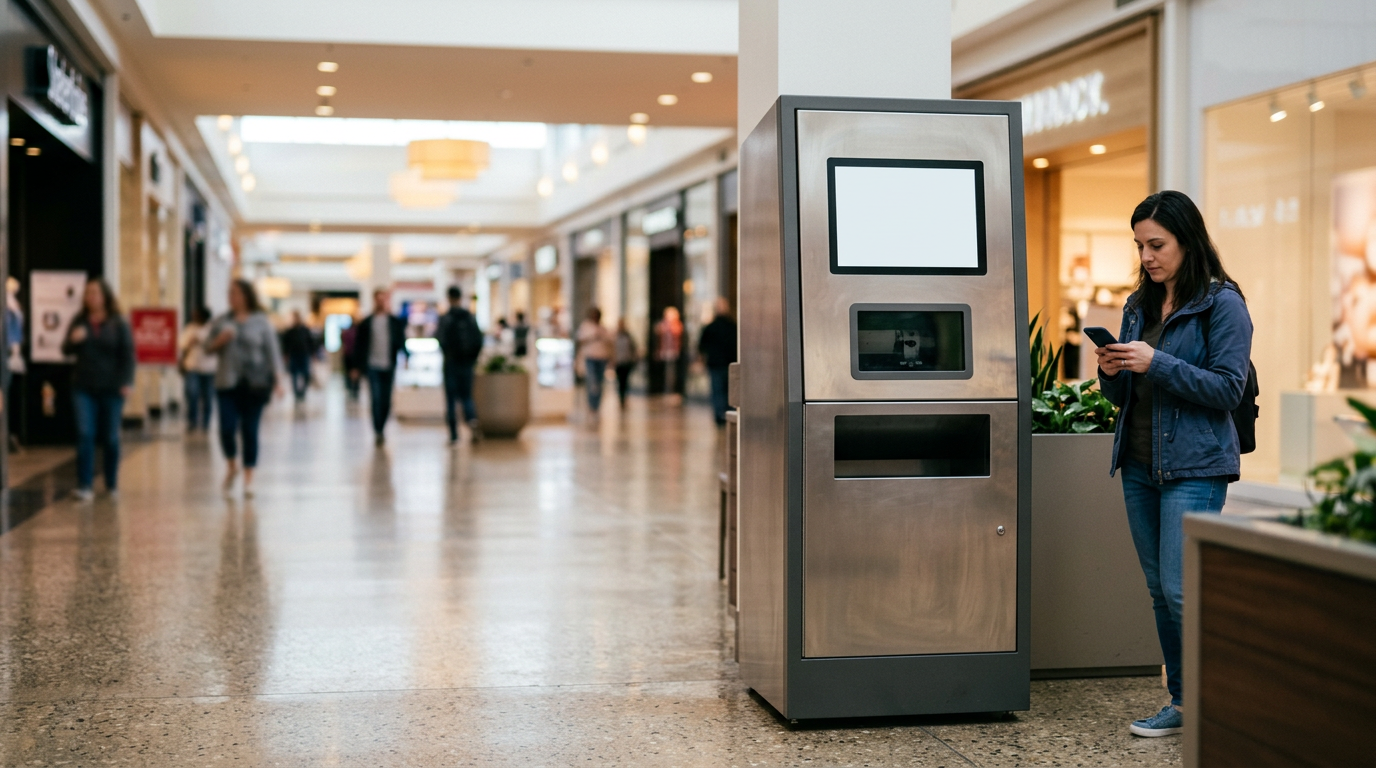
Kenilworth sellers come over for a cash offer from a real person instead of trade-in credit or a kiosk. For a card collection, that matters even more, since a machine cannot tell a clean reverse holo from a worn one. Bring the binder and talk through it face to face. Our Kenilworth electronics page covers the rest of what we buy.
Millburn
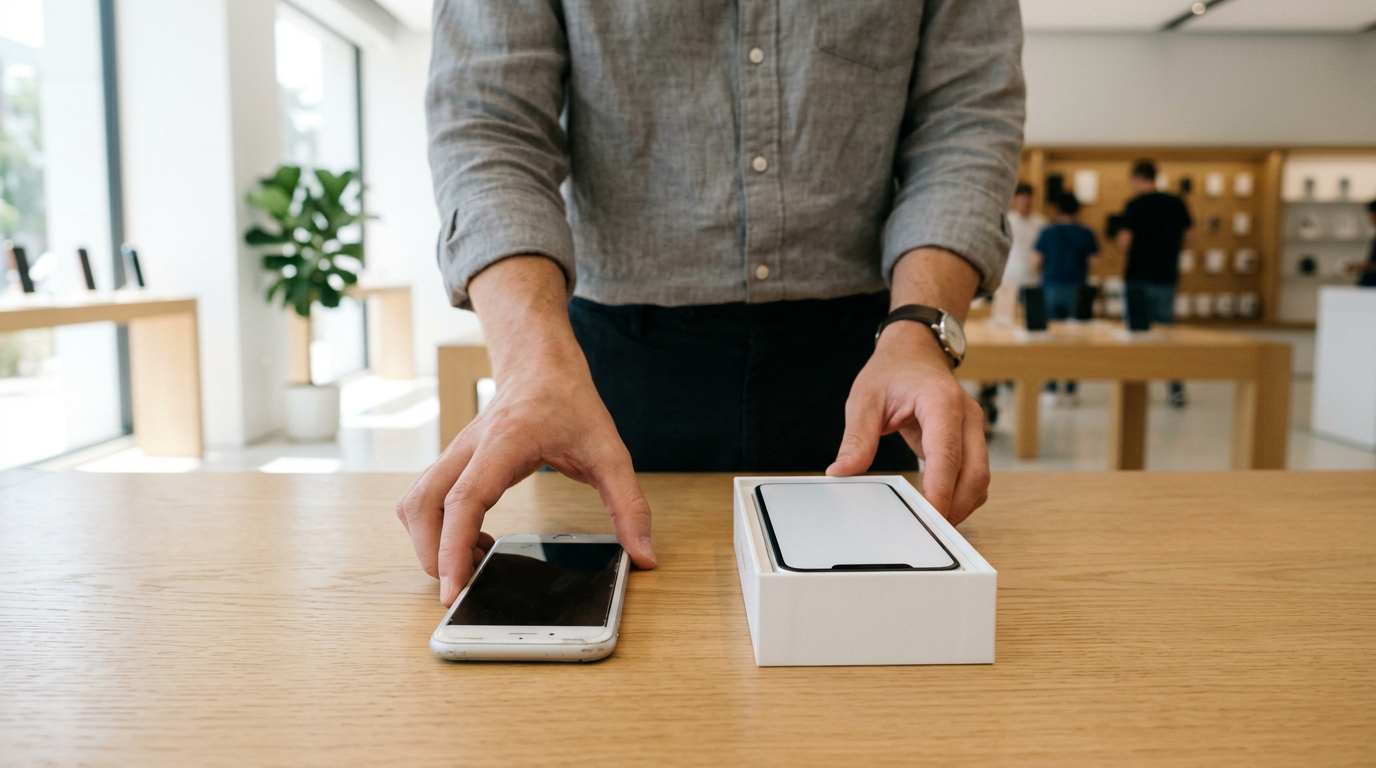
Millburn and Short Hills sellers often arrive with organized binders, sealed items, or a collection they have been holding onto for a while. If you are also upgrading devices, you can sell those on the same trip, since we pay cash for phones, laptops, and watches too. Nothing about the card side requires an appointment.
Newark
Newark is right next door, so a quick trip to Irvington means you can have your cards looked at today. Anyone in New Jersey’s largest city with a shoebox of cards or a graded slab can walk into a real storefront. See our Newark page if you have electronics to sell alongside your collection.
West Orange
West Orange households tend to clear out closets, basements, and attics, and old card binders turn up in the process. It is only a few minutes to drive over for an instant, no-pressure look. Check our West Orange page if you have older electronics in the same pile.
What happens when you walk in
The process is intentionally simple. You walk in with your cards, and a buyer goes through them with you. Notable singles are looked up individually and bulk is valued as a lot. You get an offer, and if you accept, you are paid cash on the spot after ID verification. If you decide not to sell, you take your cards home with no obligation.
The store is near Irvington Park, Milo S. Borden Park, Philip ROTH Plaza, and Vailsburg Park, so it is easy to find if you are coming from any of those directions. Hours are Monday through Saturday from 10:00 AM to 7:00 PM, and Sunday from 11:00 AM to 5:00 PM.
Frequently asked questions
Do I need an appointment to sell Pokémon cards?
No. Walk in with your cards during store hours and a buyer will go through them with you.
Do you pay a flat rate for bulk Pokémon cards?
No. Notable singles are priced individually from live sold comps, and true bulk is priced by the lot. We never use one flat bulk rate for an entire collection.
Can I sell a whole Pokémon card collection for cash?
Yes. Bring binders, boxes, loose cards, sealed product, and graded slabs together. Each part is handled the right way, and cash is paid on the spot if you accept the offer.
Do you buy graded cards?
Yes. We buy PSA, CGC, BGS, and SGC slabs. We verify the cert number and holder in the store and price each card on its own comps.
Will you buy sealed Pokémon boxes and packs?
Yes, after an in-person inspection. We check the shrink-wrap, seams, and weight to rule out resealing.
Do you only buy Pokémon?
No. We also buy Magic, Yu-Gi-Oh!, One Piece, Lorcana, and sports cards.
What do I need to bring besides the cards?
A valid government photo ID. It is required for every sale.
Ready to find out what your collection is worth? Get a free quote first, or just walk in to Sell Your Gadgets Irvington at 1056 Springfield Ave Store A, Irvington, NJ 07111. We are open Monday through Saturday from 10:00 AM to 7:00 PM and Sunday from 11:00 AM to 5:00 PM, or call (862) 233-7448 with questions.
Hear from a real customer
Real experience, real cash. Working or broken, get a free quote and walk out with cash the same day.
Compare your options
See how selling to us stacks up against other ways to sell, side by side.