Sell Pokémon Cards Near Me in Pearland, TX: Cash, No Appointment
By syedladen ·
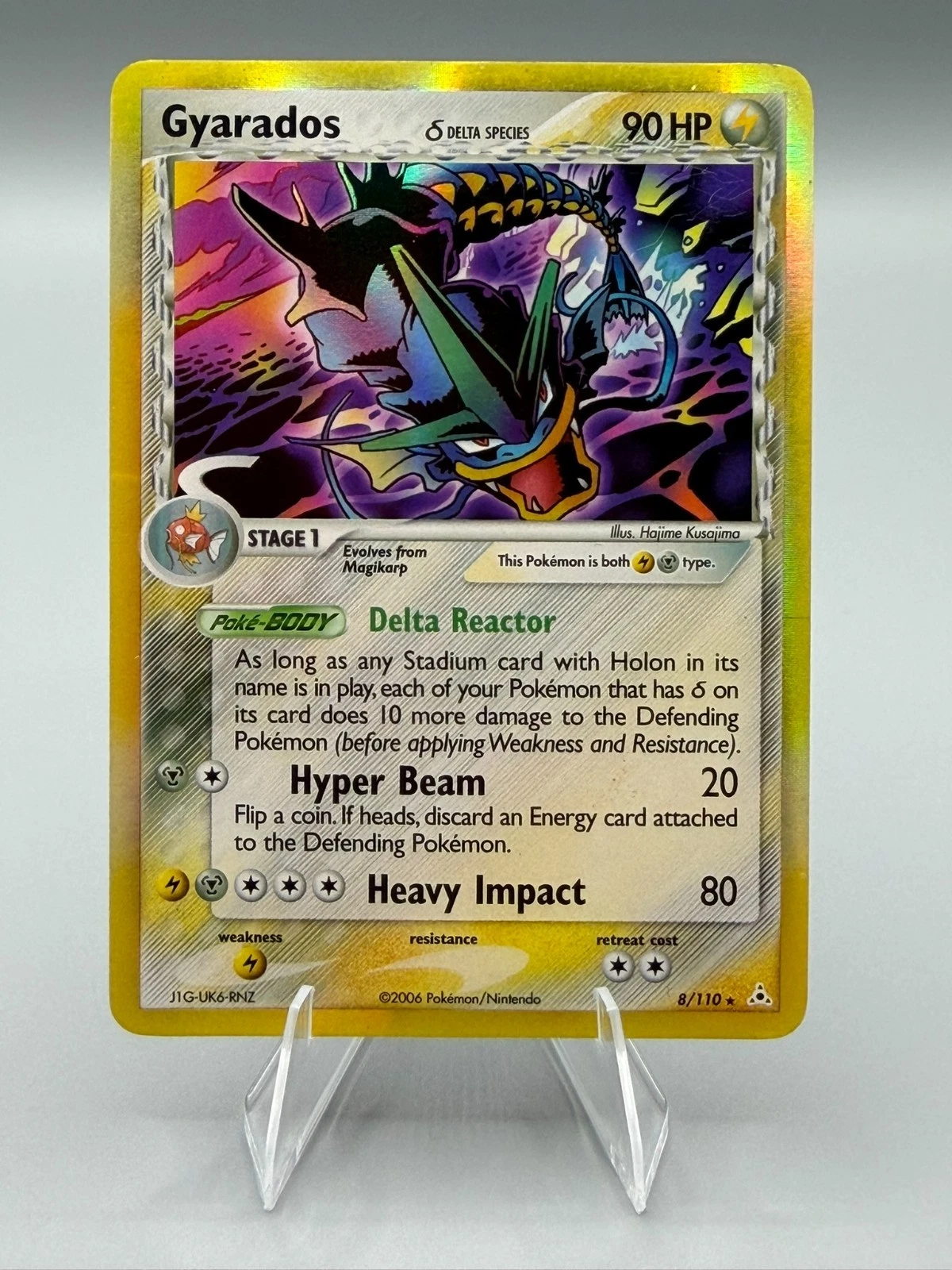
If you want to sell Pokémon cards near you in Pearland, TX, walk into Sell Your Gadgets with your cards, no appointment needed, and a buyer will price them in person and pay cash on the spot. Notable singles are priced one at a time from live sold comps, true bulk is priced by the lot, and a valid government photo ID is required for every sale.
How selling Pokémon cards works at our Pearland store
Most people who search for where to sell Pokémon cards locally are really asking two things: will someone look at my cards honestly, and will I get paid today? Here is the process.
- Bring the cards in. Binders, boxes, top loaders, a shoebox from the closet. There is no appointment and no minimum.
- A buyer goes through them with you. Our buyers use internal pricing tools that pull live sold comps card by card. We never use a flat bulk rate for a collection that has real cards in it.
- You get an offer. Notable singles are priced individually. The true bulk, meaning the commons, uncommons, and played filler, is priced by the lot.
- You get paid cash on the spot. You need a valid government photo ID, which is the standard secondhand-dealer rule.
You can also start with a free quote online or by text if you would like a ballpark before you drive over, then bring the cards to the Sell Your Gadgets Pearland store for the in-person look. Photos help for quotes, but the final offer always comes from handling the cards, because condition decides so much.
We are an electronics buyback store first, and we buy cards the same way we buy devices: we pay you, we do not sell to you, and we do not post public price lists. That keeps the conversation simple. You are not being sold anything; we are only deciding what your cards are worth to us today.
How to spot the valuable cards in a collection
You do not need to know every card to do a first pass. Five details separate the cards worth pulling aside from the stack that gets sold as bulk.
Set symbol and card number
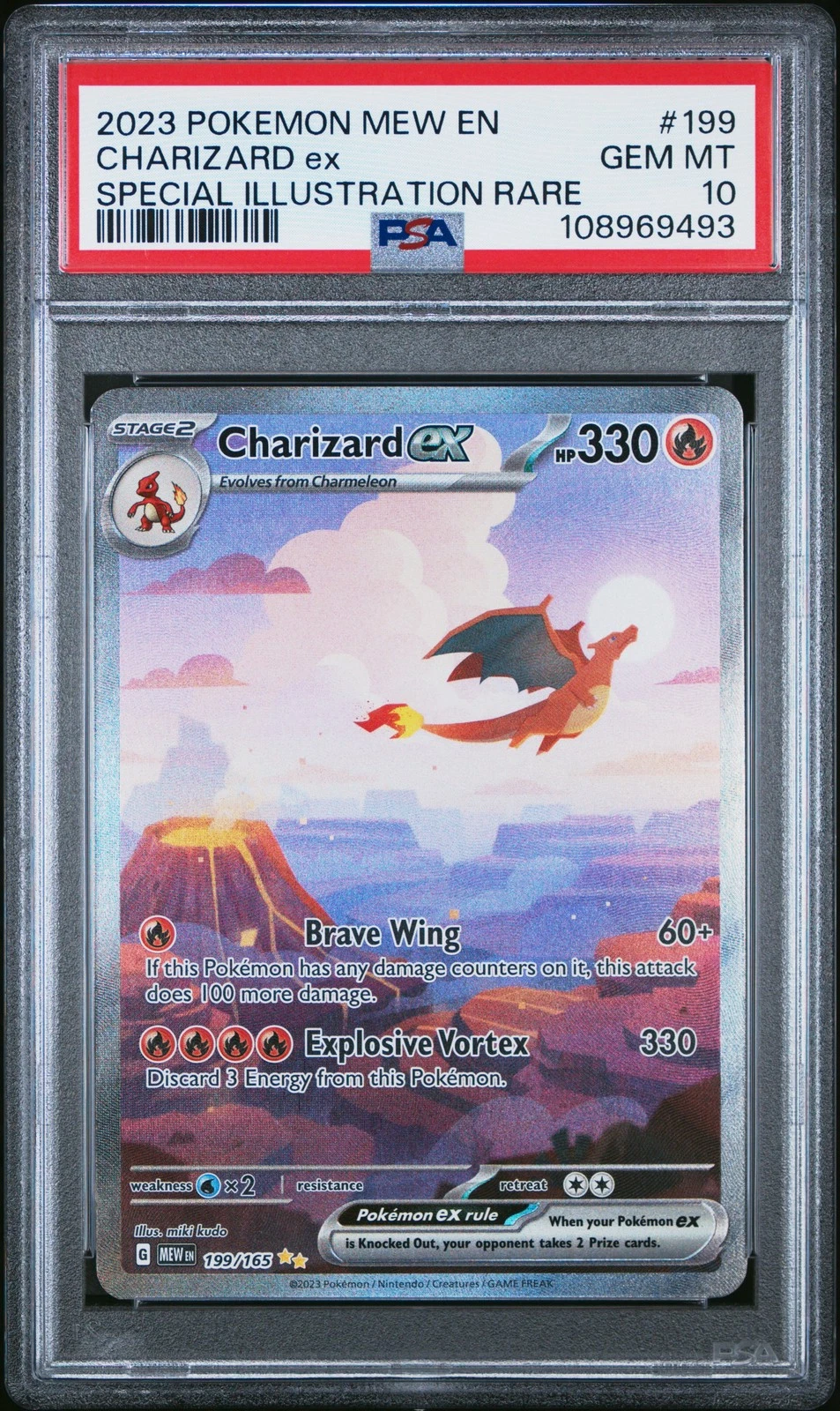
Look at the bottom of the card. Modern cards show a small set symbol and a card number written like a fraction. When the first number is higher than the second, the card is numbered past the main set, which usually means it is a secret rare, an alternate art, or another chase card. Older cards show the symbol on the right side of the art window or near the bottom corner. Group your cards by set when you can; it speeds up pricing and helps you notice anything unusual.
Rarity symbol
The small symbol next to the number tells you the base rarity: a circle for common, a diamond for uncommon, and a star for rare. Newer sets add more detailed markers for ultra rares and special illustration rares. A star alone does not make a card valuable, since plenty of rares are worth little, but the commons and uncommons are almost always bulk.
Holo vs reverse holo
A holo card has the shiny effect on the artwork window. A reverse holo has the shine everywhere except the artwork. They are different printings, and the same card can have very different demand in each. Do not assume that shiny means valuable. Reverse holos of ordinary cards are common and usually bulk, while a holo of a popular character from an older set can be a real single.
1st Edition stamps and Shadowless
On early Wizards-era cards, a small 1st Edition stamp sits to the left of the art window. Shadowless cards, from the early Base Set printing, are missing the drop shadow along the right edge of the art box that later printings have. Both details can change value a lot, and both are easy to miss, so pull aside any old holo that looks a little different from the rest and let the buyer check it. Fakes exist, which is another reason we want the card in hand.
Alt-arts and special illustration rares
Modern chase cards often have artwork that extends past the frame, with a scene that fills the whole card. Alt-arts, special illustration rares, and similar full-art cards tend to carry the most value in a recent pull. If a card looks like a painting instead of a standard card layout, set it aside for individual pricing.
Raw card condition guide
Condition is the biggest lever on any single card after the card itself. Here is how we think about it when we look at raw cards. Use it to sort your own stacks before you come in, but expect a buyer to be stricter than most owners are with their own cards.
| Condition | Corners | Edges | Surface | Centering |
|---|---|---|---|---|
| Near Mint | Sharp, no visible wear | Clean, maybe a tiny speck at most | Glossy, no scratches or dents | Close to even borders |
| Lightly Played | Minor softness or a slight touch of whitening | Light whitening in a few spots | A few light scuffs or faint scratches | Slightly off but not distracting |
| Moderately Played | Visible rounding and whitening | Obvious whitening along multiple edges | Clear scratching, scuffing, or light creasing | Noticeably uneven |
| Heavily Played | Heavily worn or rounded | Broad whitening, chipping, or nicks | Creases, heavy scratching, or dents | Often badly off |
| Damaged | Bent, torn, or missing material | Peeling, tears, or heavy chipping | Water damage, writing, heavy creases, or stains | Not a factor |
Two quick tips. First, tilt a card under a light, because surface scratches and dents show up at an angle that you will not notice looking straight at it. Second, a card does not slide a full grade because of one flaw. Several small flaws together are usually what moves it down. Condition affects value on a sliding scale, so a Near Mint copy of a card can be priced noticeably higher than the same card in Moderately Played.
How singles and bulk are priced in one visit
A common worry is that selling a collection means taking one blended number for everything. That is not how we do it. A single visit has two parts, and you see both.
Notable singles
Anything with real individual demand gets looked up on its own. The buyer checks the card, its set, its printing, and its condition, then compares it against recent sold comps in our pricing tools. Because the comps are live sold data, the offer follows what that card is actually trading for, not an old guide number or a guess.
True bulk
The remaining commons, uncommons, and low-demand cards are priced by the lot. Nobody can sensibly look up thousands of ordinary cards one at a time, and it would not help you if they did. Bulk is valued as a group, so the offer is based on the lot and not on a flat per-card rate that ignores what is inside. Sorting out your best cards first means the singles get priced as singles and do not sink into the bulk box.
If you have a mixed collection, we separate it in front of you. That is the practical answer to how to sell bulk Pokémon cards without wondering what happened to the good ones. You can see which cards were pulled for individual pricing and which ended up in the lot.
For more detail on how we handle ungraded cards, see our page on how to sell raw Pokémon cards, or browse the wider Pokémon cards and collectibles page.
Should you grade first?
Grading can make sense, but it is not an automatic upgrade, and a lot of collections are better sold raw. Here is a fair look at the trade-offs without any invented numbers.
- Time: Grading takes patience. Turnaround depends on the service and the tier, and it can stretch for a long time. Selling raw today takes one visit.
- Fees: Grading costs money per card, plus shipping and insurance. For a card that is not worth much to begin with, the fees can eat the entire gain.
- Risk: A card you think is Near Mint may come back lower than you hoped, because graders look hard at centering, corners, and surface. A mediocre grade can leave you holding a slab worth no more than the raw card, or less after fees.
- Upside: For a high-demand card in truly clean condition, a strong grade can improve resale value and make it easier to sell on the open market.
A simple rule: if the card is valuable, clearly Near Mint, and you do not need the money soon, grading may be worth considering. If it is mid-level, played, or you would rather have cash now, selling raw avoids the fees and the wait. A buyer can often tell you which category a card falls in during a quick look, at no charge.
Already have graded cards? We buy slabs from PSA, CGC, BGS, and SGC. We verify the cert number and holder in the store, and each is priced on its own comps. More on that at selling graded Pokémon cards.
How to bring your cards in
A little prep makes the visit faster and protects what you are selling.
- Keep sleeved cards sleeved. If your better cards are already in sleeves, leave them there. Do not pull them out to show us.
- Use top loaders for the standouts. Put any card you think is valuable in a penny sleeve and a top loader so the corners do not get damaged in the car.
- Leave binders sorted. If your cards are in a binder, bring the whole binder. Do not pull cards out to reorganize. If they are loose, grouping them by set helps.
- No rubber bands. Rubber bands dent edges and corners and can leave marks on the surface. Use a card box or a zip bag instead.
- Bring everything. Bulk boxes, stray cards in a drawer, an old tin. Odd cards turn up in unexpected places.
- Do not clean cards. Wiping a card can add scratches. Dust is better than damage.
- Bring your ID. A valid government photo ID is required for every sale.
Sealed product and graded slabs
Not everything is a loose card. If you have sealed product, we inspect it in person. We check the shrink-wrap, the seams, and the weight to rule out resealing, which is why we need to see sealed boxes and packs in hand and cannot go by photos alone. Graded slabs are checked for cert number and holder before an offer is made.
We also buy other trading card games, including Magic, Yu-Gi-Oh!, One Piece, and Lorcana, along with sports cards. If a relative left you a mixed box with several kinds of cards, bring it all and we will sort through it together.
Selling locally vs. other ways to sell
There are several routes, and each one has real trade-offs.
- Online marketplaces: These can reach a wide audience, but you handle photos, listings, messages, shipping, and fees. Buyers can also open disputes, and payment can take a while. They suit sellers with time and a few high-value cards.
- Card shows and local trading: Good for finding specific buyers, but you may spend a whole day there, and dealers will usually only take certain cards.
- Mail-in buyers: Convenient from a distance, but you ship your cards, wait for review, and receive an offer after the fact.
- Selling in person at our store: You see the process, ask questions, and walk out with cash the same day. The trade-off is that a buyer needs room to make a margin, so a patient seller listing every card individually might net more on a few top cards, at the cost of time and effort.
If you are weighing it up, a free quote costs nothing and does not commit you to anything.
Selling Pokémon cards from nearby towns
We are on N Main Street in Pearland, at Suite 105 near Beamer Rd and Hall Rd. Here is how it works for people coming from the surrounding area.
Sienna
Sienna is just across the county line in Fort Bend County, so it is an easy trip to Pearland. Families clearing out a kid's binder or an old collection can bring it in and get a same-day offer. You can also see our Sienna page if you have devices to sell alongside the cards.
Iowa Colony
With new households moving into Iowa Colony and the Meridiana area, boxes of cards often turn up while unpacking or downsizing. Highway 288 runs straight up to Pearland, so you can bring them in the same day for an in-person look and a no-obligation offer.
Brookside Village
Brookside Village sits right against Pearland, so this is one of the shortest drives to us. Pull a binder off the shelf, drive over, and have it priced while you wait.
Friendswood
From Friendswood, it is a short hop up FM 528. Friendswood sellers skip the mail-in gamble and get a firm offer in person. If you have gadgets as well, see selling electronics in Friendswood.
Manvel
As Manvel continues to grow along Highway 6, many households have cards stashed from years ago. Bring them north to Pearland and get cash on the spot. Our Manvel page covers the devices we buy as well.
Alvin
Alvin sellers come up Highway 35 to turn a shoebox of cards into cash the same day, with no shipping and no waiting on a mailed check. We also have a page on selling electronics in Alvin if you are cleaning out more than cards.
Frequently asked questions
Do I need an appointment to sell Pokémon cards?
No. Walk in during store hours with your cards and a valid government photo ID. A buyer will go through them with you.
Will you take a whole collection, or only the good cards?
We look at the whole collection. Notable singles are priced individually, and true bulk is priced by the lot, so you can bring everything in one visit instead of picking out the best cards yourself.
Do you use a flat rate for bulk Pokémon cards?
No. We never use a flat bulk rate. Singles with real demand are priced from live sold comps, and only the true bulk is valued as a lot after the notable cards are taken out.
Do my cards need to be graded to sell them?
No. We buy raw cards every day. We also buy graded slabs from PSA, CGC, BGS, and SGC, verified in store and priced on their own comps.
Can I sell sealed Pokémon product?
Yes, but we inspect it in person. We check the shrink-wrap, seams, and weight to rule out resealing, so bring the sealed product in rather than relying on photos.
How do I find out what my cards are worth before I come in?
Request a free quote online, by text, or in person. The final offer happens in the store once a buyer has seen the cards, since condition and printing affect value.
Do you buy other card games and sports cards?
Yes. Besides Pokémon, we buy Magic, Yu-Gi-Oh!, One Piece, Lorcana, and sports cards.
Ready to find out what your collection is worth? Get a free quote or just bring your cards to Sell Your Gadgets Pearland at 1921 N Main Street Suite 105, Pearland, TX 77581. We are open Monday through Saturday from 10:00 AM to 7:00 PM and Sunday from 11:00 AM to 5:00 PM. Call (713) 823-1269 with questions, and remember your photo ID.
Hear from a real customer
A real customer on their experience. Working or broken, get a free quote and walk out with cash the same day.
Compare your options
See how selling to us stacks up against other ways to sell, side by side.