Sell Pokémon Cards Near Me in Staten Island, NY (Cash)
By syedladen ·
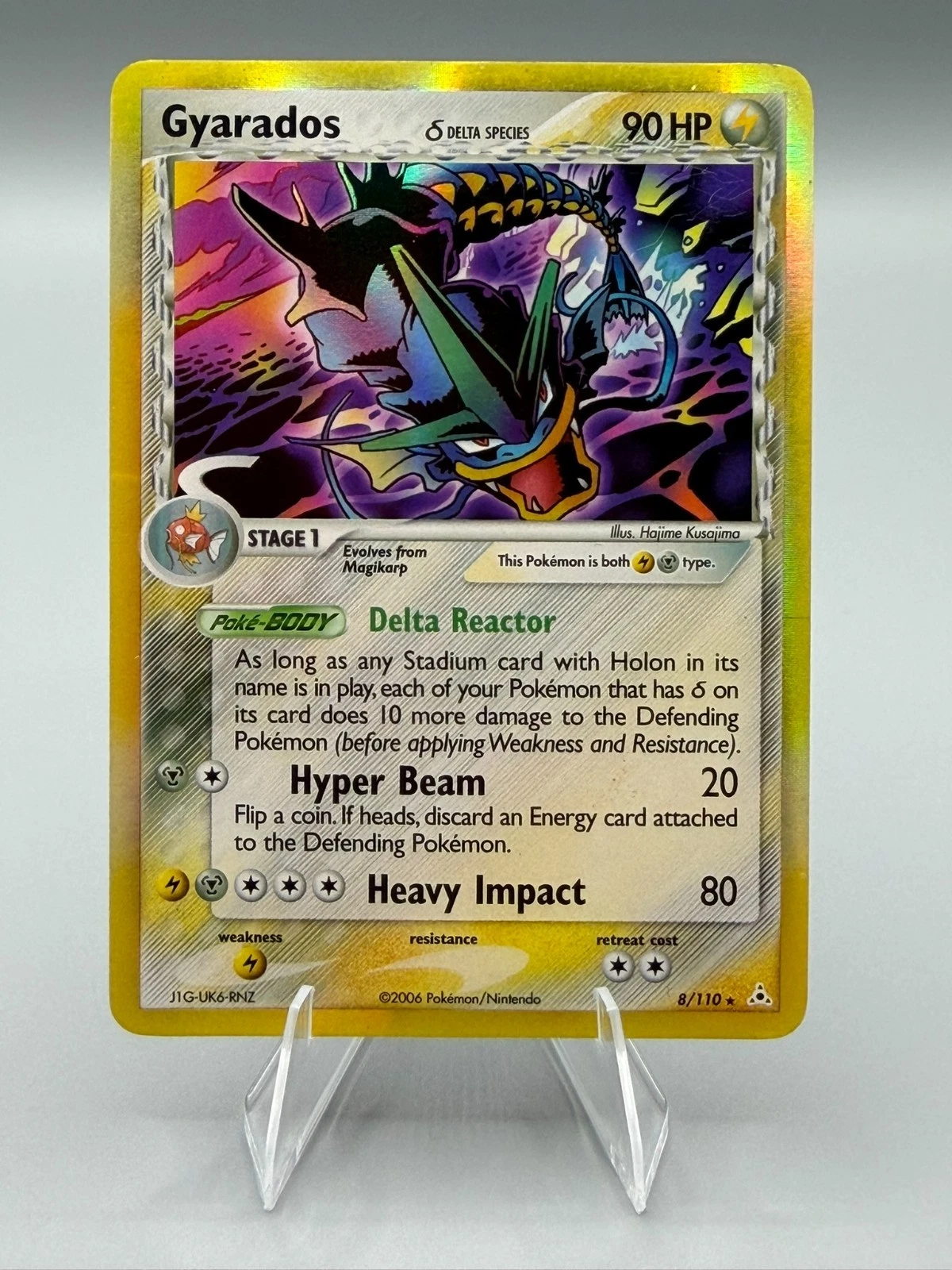
If you want to sell Pokémon cards near you in Staten Island, you can walk into Sell Your Gadgets on Forest Ave with your cards, no appointment, and get paid cash on the spot. A buyer prices your notable cards one by one against live sold comps and prices true bulk by the lot, so you get a real answer in one visit instead of waiting on an online listing.
This guide covers how to spot the cards worth pulling out, how condition affects value, whether grading first makes sense, and how to pack everything so the visit goes smoothly.
How selling Pokémon cards works at our Staten Island store
The process is simple. Bring your cards in, and a buyer goes through them with you. There is no flat bulk rate and no one-size-fits-all number. Our buyers use internal pricing tools that pull live sold comps card by card, which means the offer reflects what that specific card has actually been selling for, in that condition, rather than a guess or an asking price.
- Raw singles: notable cards are priced individually.
- True bulk: commons, uncommons, and low-value rares are priced by the lot.
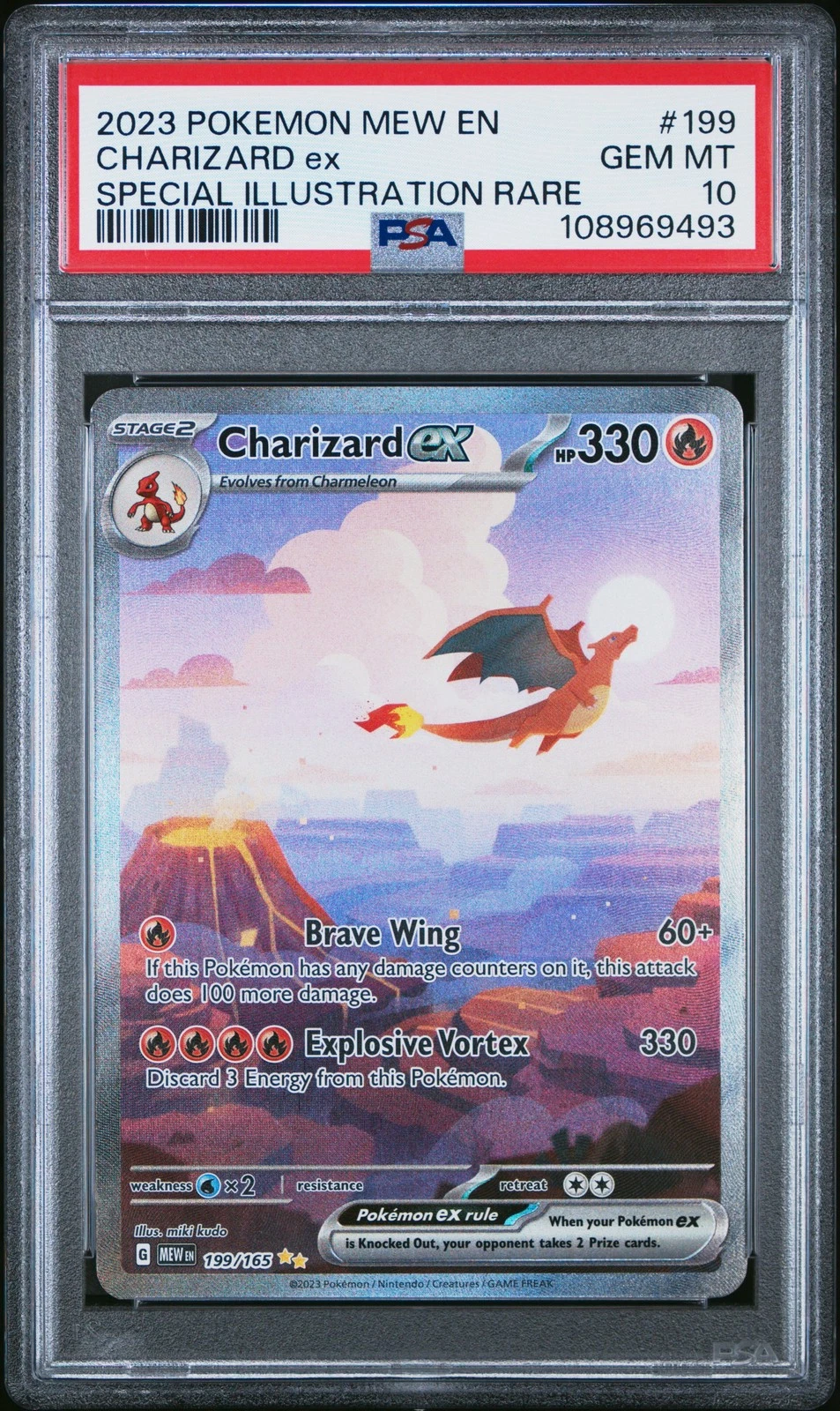
- Graded slabs: PSA, CGC, BGS, and SGC are all bought, and each is priced on its own comps. We verify the cert number and the holder in store.
- Sealed product: we inspect the shrink-wrap, seams, and weight in person to rule out resealing.
- Other cards: we also buy Magic, Yu-Gi-Oh!, One Piece, Lorcana, and sports cards.
Payment is cash on the spot. A valid government photo ID is required for every sale, which is the standard secondhand-dealer rule. If you want a head start, you can request a free quote first by form or text, but walking in works fine too. Our customers regularly mention that the team explains what they are doing as they go, and that matters when you are selling something you care about.
How to spot the valuable cards in a collection
Most collections are mostly bulk with a handful of cards that carry the real value. Finding those before you walk in saves time and keeps you from accidentally leaving a good card in a shoebox. Check these things in order.
Set symbol and card number
The set symbol tells you which expansion a card is from, and its position on the card varies by era. On older cards, look near the art window or the lower corners. On modern cards, check the bottom of the card near the card number. The number is formatted like a fraction, such as 004/102. When the first number is higher than the second, you are looking at a secret or special rarity that sits outside the main set, and those are often the cards worth setting aside first.
Rarity symbol
Near the card number you will usually find a small rarity symbol: a circle for common, a diamond for uncommon, and a star for rare. Newer sets add more symbols for higher tiers. A star alone does not make a card valuable, since plenty of rares are common in the market. But circles and diamonds almost always belong in the bulk pile unless they are from an old or sought-after set.
Holo vs. reverse holo
A true holo has a foil-treated art window with a regular matte border. A reverse holo is the opposite: the foil covers the card body and border, and the art is not foil. They are different print runs, and in many sets one is much harder to find than the other. Do not assume a shiny card is the valuable one. Sort them into their own pile and let the comps decide.
1st Edition stamp
On early English sets, a 1st Edition card carries a small stamp on the left side, just below the art window. Cards from the same set without the stamp are generally a different print, and the difference in demand can be large. If you see the stamp, keep that card out of the binder pocket and in its own sleeve.
Shadowless
Shadowless cards are an early Base Set print that lacks the drop shadow along the right edge of the art box. Compare it to a standard card from the same set and the difference is easy to see side by side. Shadowless cards are a distinct print, so they are priced on their own comps.
Alt-arts and special illustration rares
Alternate-art cards use full or expanded artwork that breaks out of the normal frame, often telling a small scene. Special illustration rares in newer sets go further, with art that fills the whole card. These sit above the main set number and are among the first cards a buyer will pull from a modern pack collection. If your kid or you opened packs from recent sets, check the back of the binder for these.
Raw card condition: what buyers look for
Two copies of the same card can price very differently depending on condition. The table below is a plain-language guide to what buyers see. Grade honestly in your own head before you come in, because we will inspect each notable card in person anyway.
| Condition | Corners | Edges | Surface | Centering |
|---|---|---|---|---|
| Near Mint | Sharp, no visible wear | Clean, maybe a tiny fleck at most | Glossy and clean, no scratches or creases | Reasonably even borders |
| Lightly Played | Slight softness or minor whitening | Light whitening along a few edges | Minor scuffs or faint scratches, no creases | May be noticeably off |
| Moderately Played | Visible rounding and whitening | Obvious whitening, small nicks | Clear scratches, light creasing possible | Often uneven |
| Heavily Played | Rounded, worn down | Heavy whitening, rough | Creases, scuffing, or dulled finish throughout | Often poor |
| Damaged | Bent, torn, or missing pieces | Peeling or torn | Major creases, water damage, writing, or stains | Not a factor |
Condition affects value a lot more than most people expect, especially on the cards that matter. A near mint copy of a popular card holds value far better than the same card with a crease. That is exactly why we price notable singles one at a time instead of applying a blanket number.
Singles vs. bulk: how pricing works in one visit
In a single visit, your cards usually get split into two groups. Cards that have their own market, such as holos from popular sets, older cards, alt-arts, special illustration rares, and anything with a stamp or special print, are pulled aside and priced individually against live sold comps. Everything else goes into the bulk group and is priced by the lot.
This is the fairest way to buy a mixed collection. If bulk were averaged in with singles, either the singles would be underpaid or the bulk would be overpaid. Splitting them lets each part be valued honestly. You will see what is being pulled and why, and you can ask questions at any point.
If you are curious how raw card sales work in detail, our page on how to sell raw Pokémon cards goes further, and the broader Pokémon cards and collectibles page covers sealed product and other items.
Should you grade first?
It depends on the card and how patient you are. Grading can raise the appeal of a strong card, but it is a trade-off, not a sure thing.
- Time: grading means sending cards away and waiting, sometimes a long while depending on service level and demand. Selling raw today means cash today.
- Fees: you pay grading and shipping costs per card, and those costs are the same whether the card comes back with a top grade or a disappointing one. For lower-value cards, the fees can eat most of any gain.
- Risk: a card you believe is near mint may come back with a lower grade because of centering, a print line, or an edge flaw you missed. A lower grade can leave a slabbed card worth less than you hoped, or not much more than it was raw.
- Upside: for a clean, high-demand card, a strong grade can broaden the buyer pool and support a higher price.
A practical rule: if a card is clearly pristine and clearly in demand, grading may be worth considering. If it is anything less, or if you simply want the money without the wait, selling raw is simpler and carries no grading risk. If you already have slabs, we buy them too. See our page on how to sell graded Pokémon cards for how verification and pricing work.
How to bring your cards in
You do not need to be perfectly organized, but a little prep helps your cards get priced faster and protects what you have.
- Skip the rubber bands. They dent edges and corners. Use a divider, a box, or a binder instead.
- Put your best cards in sleeves and top loaders. Anything you think is notable should be sleeved and, ideally, in a rigid top loader so it cannot bend in transit.
- Keep binders as they are. If your cards are in binder pages, bring the binder. Do not pull them out and stack them loose.
- Sort roughly. Make a pile for holos, older sets, and anything with a stamp or special art. Leave commons and uncommons in a box together.
- Bring everything. Do not pre-judge. Cards you assume are junk sometimes are not, and a buyer would rather see all of it.
- Bring your photo ID. A valid government photo ID is required for every sale.
For sealed product, bring it in the condition you have it. Do not open it, and do not tape or alter the wrap. We inspect shrink-wrap, seams, and weight in person to rule out resealing, so the original state matters.
Where to sell Pokémon cards locally vs. other options
If you are weighing where to sell Pokémon cards locally, it helps to know the trade-offs of each route.
- Online marketplaces: these can reach a large audience, but you typically deal with listing time, seller fees, shipping, and waiting for a buyer. Disputes and returns are part of the process.
- Selling card by card yourself: this can work well for a few standout cards, but it is slow for a large collection and requires photographing, describing, and packing every sale.
- Local card shops: many are great, but some focus on selling inventory and may buy only certain products or at certain times.
- Walking in here: you get a card-by-card review, an answer the same day, and cash paid on the spot, with no shipping and no waiting.
None of these is wrong. The right choice depends on how many cards you have and how much time you want to put in. If you want it done in one trip, a local buyer is the simplest route.
Selling Pokémon cards from nearby towns
We are at 1440 Forest Ave #7 in Staten Island, and plenty of people make the trip from nearby areas. Here is how it tends to work from each.
Silver Lake
Silver Lake is close to our side of the island, so it is an easy trip with a binder under your arm. Forest Ave is a major road, which keeps directions simple. Walk in during open hours, no appointment needed.
Todt Hill
If you are in Todt Hill and have been sitting on a closet full of cards, a short drive gets you here. Bring your sorted piles and sleeved notable cards, and the buyer can go through them in one visit.
Newark
Coming from Newark means crossing into Staten Island, so it is worth making the trip count. Bring everything at once, including any sealed product, graded slabs, and other TCGs, and make sure you have your photo ID. One visit, one answer, cash in hand.
Bayonne
Bayonne sellers are just across the water, and the Bayonne Bridge is the familiar route over to Staten Island. If you are bringing a larger collection, pack it in a sturdy box or bag so nothing bends on the way.
New York
If you are coming from elsewhere in New York, plan the trip around our hours and bring your full collection together. The same visit can also cover any old electronics you have, since we buy phones, tablets, laptops, consoles, and more. See our Staten Island electronics buying page for details.
Linden
Linden sellers can reach Staten Island by the bridges into the borough. Before you go, sort your best cards into sleeves and top loaders and leave out the rubber bands. Then walk in and have it all reviewed at once.
Frequently asked questions
Do I need an appointment to sell Pokémon cards?
No. Walk in with your cards during open hours. A buyer goes through them with you, and cash is paid on the spot once we agree.
Do you pay a flat rate for bulk Pokémon cards?
No. Notable singles are priced individually using live sold comps, and true bulk is priced by the lot. Nothing is averaged together, so each part is valued on its own.
Can I sell a whole Pokémon card collection for cash at once?
Yes. Bring binders, boxes, and loose cards together. We will separate the singles from the bulk and go through it in one visit. Bring a valid government photo ID.
Do you buy graded Pokémon cards?
Yes. We buy PSA, CGC, BGS, and SGC slabs. We verify the cert number and holder in store, and each is priced on its own comps.
Do you buy sealed Pokémon product?
Yes. We inspect the shrink-wrap, seams, and weight in person to rule out resealing, so bring sealed items in their current, untouched state.
Do you buy other trading cards?
Yes. In addition to Pokémon, we buy Magic, Yu-Gi-Oh!, One Piece, Lorcana, and sports cards.
Can I get a quote before I come in?
You can start with a free quote, but we will not publish prices online. Real offers come from an in-person look at your actual cards.
Ready to sell? Bring your cards and photo ID to Sell Your Gadgets Staten Island at 1440 Forest Ave #7, Staten Island, NY 10302. We are open Monday through Saturday from 10:00 AM to 7:00 PM and Sunday from 11:00 AM to 6:00 PM. You can also get a free quote first, or call (718) 255-4072 with questions.
Hear from a real customer
Real experience, real cash. Working or broken, get a free quote and walk out with cash the same day.
Compare your options
See how selling to us stacks up against other ways to sell, side by side.