How Much Is My Nintendo Switch 2 Worth? Value Guide
By syedladen ·
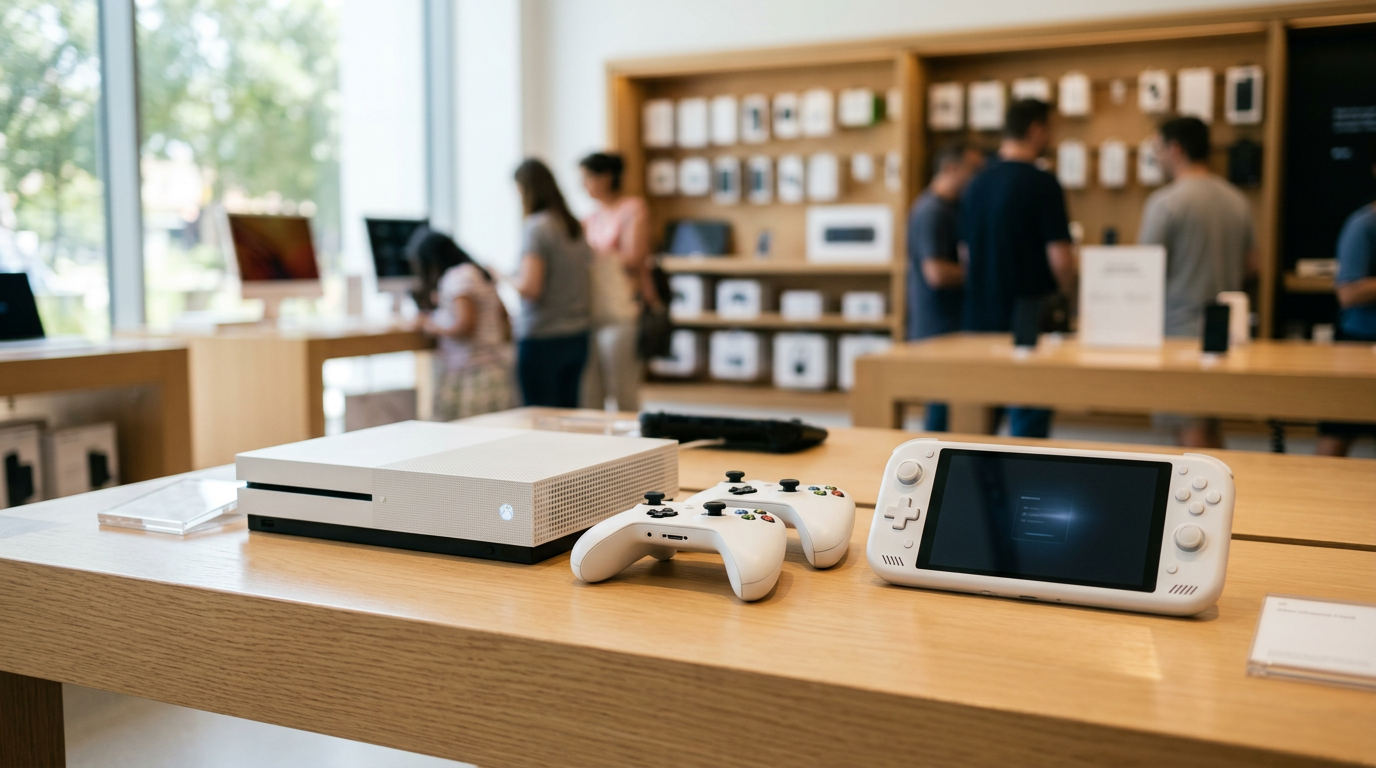
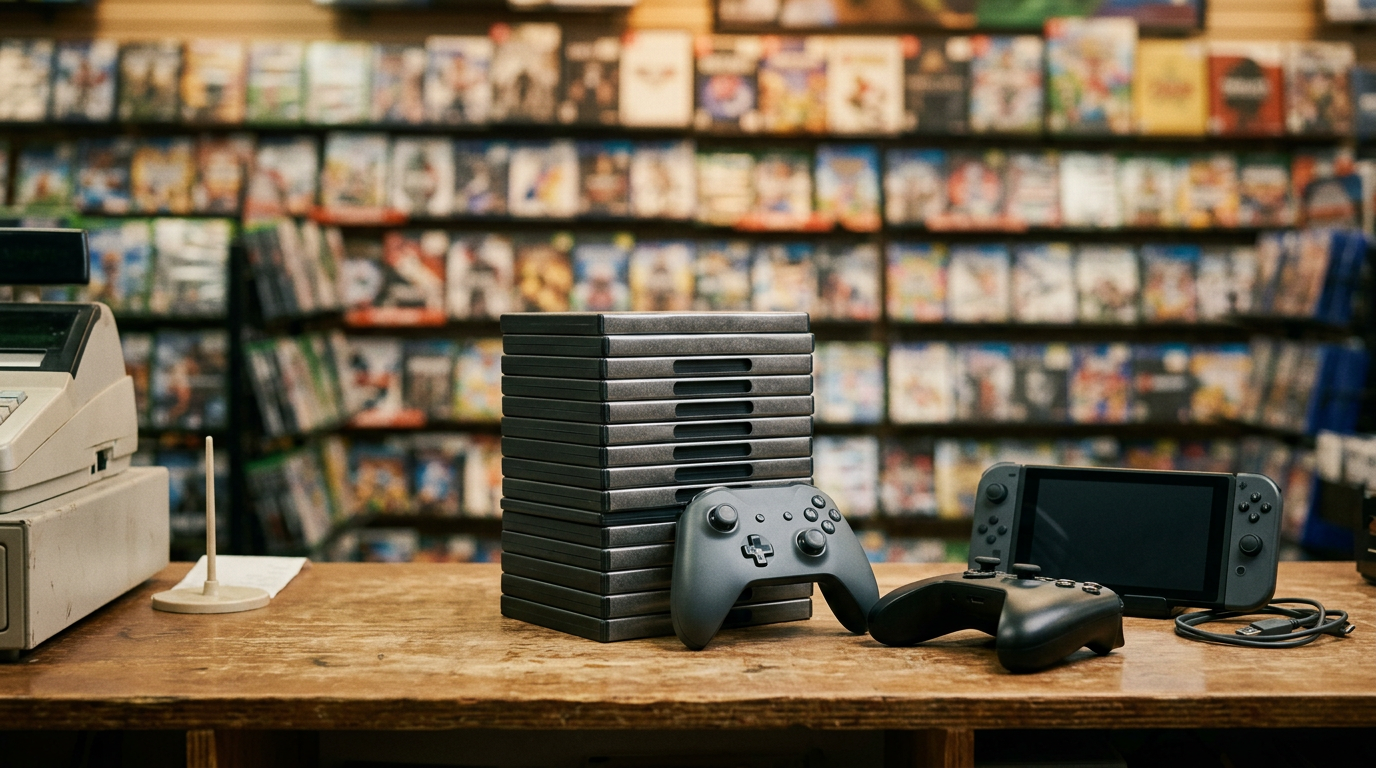
Your Nintendo Switch 2 is worth the most when it is a clean, fully working console with both Joy-Con controllers, the original dock and cables, and no account locks. Every scratch, drifting stick, or missing accessory pulls the offer down, and the exact figure depends on the current market, so the only reliable number comes from a live quote. You can get one free at our quote page without committing to anything.
This guide walks through every factor that moves a Switch 2 offer, in the order they tend to matter, plus how to check what you own, when to sell, and how to prep the console so nothing slows down the sale.
The short version: what your Switch 2 is worth depends on five things
Buyers look at a Switch 2 roughly the same way whether they are a store, a marketplace shopper, or a trade-in program. In order of impact:
- Model and bundle: which version you have and whether it came with a game or extras.
- Joy-Con condition and drift: the controllers are the most common wear point.
- Dock and power accessories: original, complete, and working.
- Bundled and included games: physical copies, game-key cards, and whether they are sealed.
- Account removal: a console tied to an account can be difficult or impossible to resell.
We never publish price lists, because used electronics prices move with supply, demand, and condition. What we can do is show you what pushes an offer up or down so you know where your console sits before you ask for a quote.
Factor 1: Model, storage, and bundle
Why the exact version matters
A buyer needs to know exactly what they are purchasing. A standard console and a retail bundle that included a game are different products on the resale market. If your Switch 2 came in a bundle, say so when you request a quote, because a bundle that still has its original extras is worth more to a buyer than a console with the same hardware but nothing else.
Storage and regional variants
Internal storage capacity affects desirability, particularly for people who download a lot of games. If a later revision or a higher-capacity edition appears, the original version will usually be priced relative to it. Check your storage in the system settings (steps below) rather than guessing, and mention it when you ask for a quote.
Limited editions and special bundles
Special-edition designs and hard-to-find bundles can hold value better than a plain console, but only if everything that made them special is still present: the unique packaging, the included item, and any cosmetic extras. A limited edition with a missing or damaged component often gets treated like a standard unit.
Factor 2: Joy-Con condition and drift
After the model, the Joy-Con controllers do more to swing an offer than anything else. They get handled constantly, they are the part most likely to develop faults, and replacement costs are a real consideration for a buyer who plans to resell.
Stick drift
Drift is when the character or cursor moves without you touching the stick. It is the single most common controller complaint on handheld consoles. To test, open the controller calibration or input test screen in the system settings, leave the sticks alone, and see whether the readout sits dead center. Then gently push each stick in a full circle and check for dead zones or jumpiness. A console with drift is not worthless, but expect a noticeably lower offer than one with clean sticks, and be honest about it. A buyer will test this in seconds.
Buttons, triggers, and connection
Press every button, including the shoulder buttons and triggers, and check for sticky or mushy response. Attach and detach each controller to confirm it locks on firmly and is recognized. If the Joy-Con use a magnetic or rail attachment, loose or wobbly connections count as wear. Also check that both controllers charge and pair properly when attached to the console.
Cosmetic wear
Scuffs on the sticks, worn rubber, scratches on the rails, and discoloration are minor on their own, but they stack. A pair of Joy-Con that looks barely used tells a buyer the console was looked after.
Missing pieces
A missing Joy-Con, strap, or grip is a real deduction. If you have a replacement you bought separately, include it, but mention it so it is not confused with an original.
Factor 3: Dock, cables, and accessories
The dock is what turns the console into a TV-connected system, and buyers assume it is part of the deal. Selling the console alone means the next owner has to buy one, so the offer drops.
- Original dock: check for scratches on the contacts and the port connections. Make sure the console seats fully and the video output works.
- Original charger and cables: the original power adapter and HDMI cable are worth including. Third-party chargers are a question mark for buyers, so note which you have.
- Stands, grips, cases, and screen protectors: these add little by themselves, but a clean, complete kit makes the whole lot easier to sell.
- Original box: not required, but the box and inserts help the condition story, especially for a nearly new console.
Test the dock with a TV before you sell. A dock that fails to output video is the kind of problem that turns a good offer into a lower one, and it is better to know upfront.
Factor 4: Bundled games and game-key cards
Games can add value, but only in the right format and condition. A console that includes a recent, popular game in sealed or like-new condition is more attractive than a bare unit. Keep these distinctions in mind:
- Physical game cartridges: these are straightforward. Clean contacts, intact cases, and working cards are all that matters.
- Game-key cards: some Switch 2 titles ship as a card that acts as a key to a download rather than carrying the full game. These can be more limited in resale appeal because the card is tied to a download and needs an internet connection to use. Ask before assuming they carry the same value as a full cartridge.
- Digital purchases: games bought digitally are attached to your Nintendo Account, not the console. They do not transfer to the buyer, and they do not add value to the console. They are also why account removal matters so much.
- Sealed bundle games: a game still in its shrink wrap from a bundle is easiest to sell and often worth more separately. We buy games too, and you can see how that works at our video game page.
Factor 5: Account removal and lock status
This is a gate, not a slider. An offer is only possible if the console can be reset and used by someone else. A console that is reported lost or stolen, blacklisted, or locked to an account that cannot be removed is one we cannot buy, and most legitimate buyers will not touch it either.
Before any sale, unlink your Nintendo Account from the console and complete a full factory reset. If you use any parental control settings or a linked child account, remove those too. Skipping this step is the most common reason a sale stalls at the counter, and it is entirely avoidable at home.
Condition grading table: what each level looks like
Buyers use slightly different wording, but the logic is the same everywhere. Use this table to place your console honestly before you ask for a quote.
| Grade | What it looks like | Effect on the offer |
|---|---|---|
| Like new | No visible scratches on the screen or body, clean Joy-Con with no drift, original dock and cables, passes every test, often with the box. | Top of the range for your model. Complete kits with original packaging tend to be treated best. |
| Good | Light surface marks, minor scuffs on the body or dock, Joy-Con work properly with only cosmetic wear, all accessories present. | A modest step down from like new. Still a strong resale candidate. |
| Fair | Visible scratches or dents, noticeable wear on the sticks, mild drift or sticky buttons, missing a minor accessory, or a dock with cosmetic damage. | Clearly lower. The buyer is pricing in repair and refurbishment work. |
| Broken | Cracked screen, no power, liquid damage, bent frame, dead ports, failed Joy-Con, or a dock that does not work. | Much lower, based on parts and repair potential. Still worth asking about, since a broken console is not automatically worthless. |
One note on the Broken tier: we do buy broken devices. If your screen is cracked or it will not boot, a quote is still worth requesting, and you can do that at our game console selling page.
How to check your exact model, storage, and health
Nobody should have to guess what they are selling. Here is how to pull up the details from the console itself.
- Open System Settings from the home screen and scroll to the System section.
- Check the console information screen. Here you can find the system version and the serial number. Menu names can shift between system updates, so look for options labeled System Update, Console Information, or similar.
- Check storage in the data management or storage section. It shows total capacity, how much is used, and what is taking up the space. Note the total capacity for your quote.
- Find the serial number and model label on the underside or back of the console, or on the original box. Having these ready makes the quote faster.
- Check the Joy-Con through the controller settings. Run the calibration and input test to spot drift, and confirm each controller reports a healthy battery level.
- Check the battery behavior by watching how the console charges and how quickly the percentage drops in handheld mode. Unlike some phones, the console does not show a clear battery health percentage. So watch for warning signs: swelling, fast drain, unexpected shutdowns, or a console that only works plugged in.
If you see a swollen or warped case, stop using the device and tell the buyer upfront. A swollen battery is a safety issue as well as a value issue.
How Switch 2 value changes over time, and when to sell
Console values follow a recognizable pattern. Understanding it helps you decide whether to sell now or wait.
New-model and revision releases
If Nintendo introduces a newer revision, a higher-capacity edition, or a new hardware generation, the older units usually get priced lower because buyers now have a newer alternative. Major hardware announcements tend to soften resale prices for the units they replace. If you hear rumors of a refresh, selling before an official announcement is usually the safer bet.
Seasonal demand
Console demand is strongest heading into the holiday season, when people are shopping for gifts, and often picks up around major game launches. Demand can be softer in the months after the holidays when many buyers already have what they wanted. If you are thinking of selling, the run-up to a big gift-buying period is usually a better moment than the quiet weeks after it.
Game releases and bundle promotions
A highly anticipated game can create a bump in console demand. On the flip side, when retailers run strong bundle deals on new units, used values can feel the pressure because buyers compare a used console to a discounted new one.
Wear and warranty
Every month of use adds wear, and a console that is still within its original warranty period is generally more attractive than one that is out of it. If you have proof of purchase, keep it handy.
The practical rule
Consoles rarely appreciate after release. If you know you will not keep playing, the best time to sell is usually sooner rather than later, particularly before a hardware change or after a period of strong demand. For a current number, the fastest route is a free cash quote.
Cash buyback vs trade-in vs private sale: honest trade-offs
Each way of selling suits a different priority. No option wins every time.
| Option | Pros | Cons | Best for |
|---|---|---|---|
| Cash buyback (like us) | Paid on the spot, no listing, no haggling, no shipping risk, quick inspection, free data wipe in store. | Typically less than a perfect private sale, since the buyer takes on resale risk and cost. | People who want a fast, certain sale and cash in hand. |
| Manufacturer, retailer, or carrier trade-in | Convenient if you are buying something new from the same place, and credit can be applied directly to a purchase. | Often paid as store credit rather than cash, and eligibility, terms, and accepted products change. Damaged or incomplete units can be refused or reduced heavily. | Buyers who are already upgrading and want one simple transaction. |
| Private sale (marketplace, classifieds, social) | Potentially the highest sale price if you find the right buyer. | Time spent listing and answering messages, no-shows, lowball offers, payment scams, return disputes, and safety concerns when meeting strangers. | Sellers with a pristine console, plenty of patience, and comfort handling risk. |
Be wary of anything that looks too easy in a private sale. Fake payment confirmations and overpayment scams are real risks. A straightforward in-person buyback avoids those issues, and our process is laid out on the how it works page.
Prep checklist before you sell
Follow this in order. It takes less than an hour for most people and protects both your data and your offer.
- Back up your saves. Use Nintendo Switch Online cloud backup if you subscribe, or transfer data to your new console. Not every game supports cloud saves, so check the games you care about first.
- Confirm your digital games. They are tied to your Nintendo Account, so you will re-download them on your next console. Make sure you know which account you used.
- Sign out and unlink your accounts. Remove your Nintendo Account from the console, and sign out of any linked services such as streaming apps or online stores.
- Remove parental controls and linked profiles. Delete user profiles you no longer need.
- Factory reset. Go to System Settings, then the formatting or initialize option, and restore the console to its factory state. If you are selling in person, we offer a free data wipe in store, but doing it yourself first is a good habit.
- Clean the console. Wipe the screen and body with a soft microfiber cloth, clean the dock contacts gently, and clear dust from the vents.
- Gather accessories. Dock, power adapter, HDMI cable, both Joy-Con, straps, grips, and any bundle extras.
- Gather the box and paperwork. The original packaging and receipt help, even if they are not required.
- Bring valid government photo ID. It is required for every sale at our stores.
- Take a few photos of the console, serial number, and any damage if you are asking for a quote remotely.
Mistakes that quietly lower your offer
- Selling the console without the dock when you still own it.
- Leaving your account linked, which blocks or delays a sale.
- Not mentioning drift or damage, which leads to a lower re-quote at inspection.
- Using a screen protector that is peeling or bubbled, which hides or creates the impression of scratches. Replace or remove it.
- Waiting for a newer model to be announced before selling.
- Selling games separately to the wrong buyer when a sealed bundle game could be sold alongside the console.
What happens when you sell to Sell Your Gadgets
The process is deliberately short. You start with a free quote online, by text, or by walking into a store. A team member inspects the console, dock, controllers, and accessories, confirms the details, and pays you on the spot. No appointment is needed, and you can find the closest shop on our locations page. If you live far from a store, there is a mail-in option.
We buy new, used, and broken consoles and handhelds. We do not buy devices that are locked to an account, reported lost or stolen, or blacklisted, so completing your account removal first keeps everything moving. Every sale requires valid government photo ID.
Frequently asked questions
How much is my Nintendo Switch 2 worth right now?
It depends on the model, bundle, condition, Joy-Con health, and accessories you have, and the market changes over time. We do not publish prices, so the most accurate answer comes from a free quote based on your exact console.
Does Joy-Con drift really reduce the offer?
Yes. Drift is one of the most common faults on handheld consoles, and a buyer has to factor in the cost of repair or replacement. A console with working controllers will get a noticeably better offer than one with drift, so test the sticks before you sell and mention any problems up front.
Can I sell a Nintendo Switch 2 without the dock?
Yes, but expect a lower offer, since the dock is part of a complete system and the next owner would have to replace it. If you can find your original dock and cables, include them.
Can I sell a Switch 2 with a cracked screen or that will not turn on?
Yes. We buy broken devices, and a cracked or non-working console still has value as a repair or parts unit. The offer will be much lower than for a working one, but it is worth requesting a quote before you throw it away.
What happens to my digital games and saves when I sell?
Digital games are linked to your Nintendo Account, not the console, so you keep them and can download them again on another console. Save data may be stored locally or in the cloud depending on the game, so back up before you reset. Once you factory reset, local saves are gone.
Is it better to trade in or sell for cash?
Trade-ins can be convenient if you are buying something new from the same retailer, but they often pay in store credit and have stricter condition rules. Selling for cash gives you flexibility and money you can use anywhere. A private sale can earn more but takes more time and carries more risk.
Do I need the original box to sell my Switch 2?
No. The box is not required, but it can help demonstrate that the console was well cared for, particularly for a nearly new unit. The console, both Joy-Con, the dock, and the power adapter matter much more.
Ready to find out what your console is actually worth? Get a free cash quote online, by text, or walk into your nearest Sell Your Gadgets store and get paid on the spot.
Hear from a real customer
A real customer on their experience. Working or broken, get a free quote and walk out with cash the same day.
Compare your options
See how selling to us stacks up against other ways to sell, side by side.