Sell PSA Graded Pokémon Cards Near Me in Brooklyn, NY
By syedladen ·
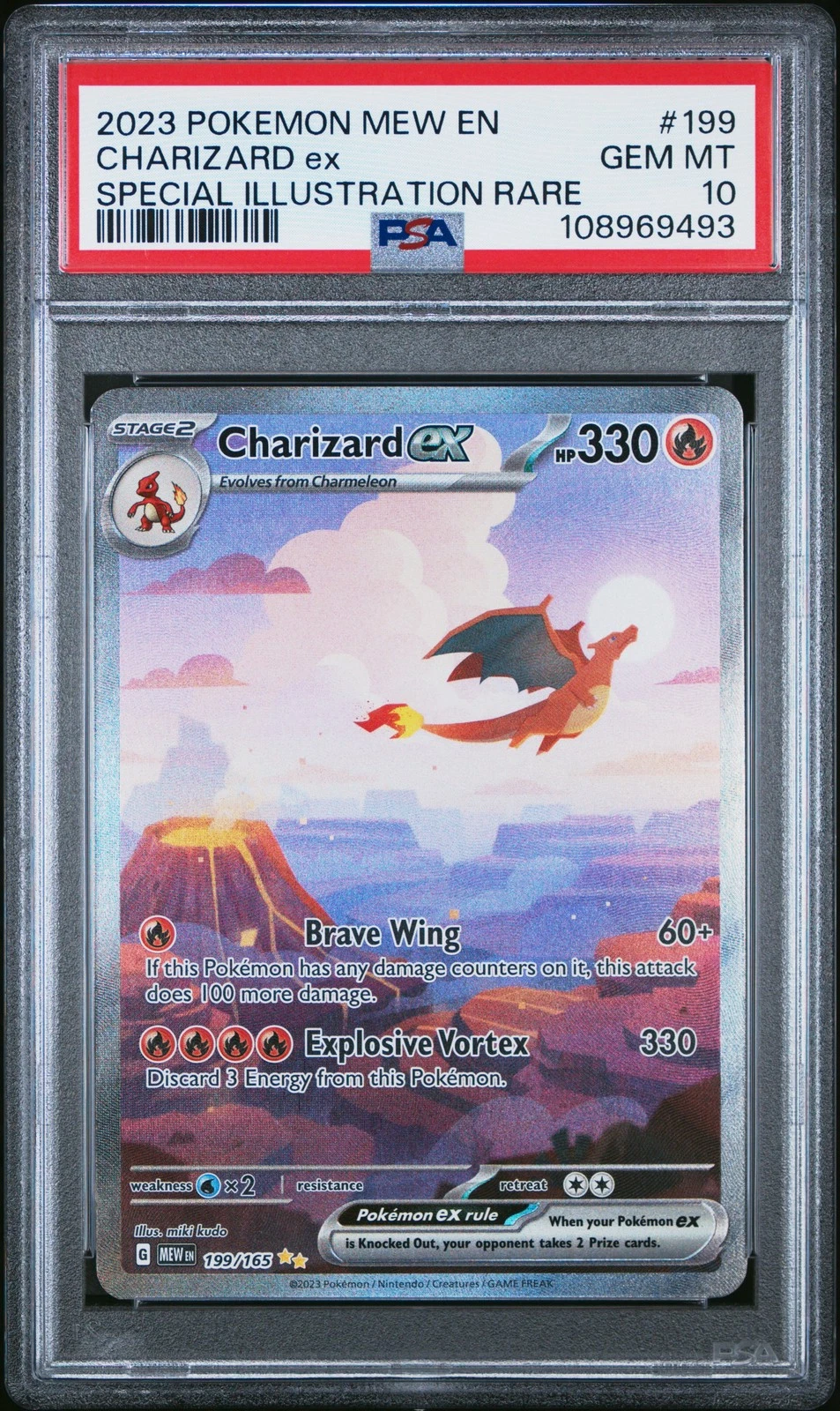
If you want to sell PSA graded Pokémon cards near you in Brooklyn, walk into Sell Your Gadgets on Nostrand Avenue with your slabs and a valid photo ID. No appointment is needed, we verify the cert in person, and you are paid cash on the spot. The same goes for CGC, BGS, and SGC slabs, and each one is priced on its own sold comps rather than a flat rate.
Who buys PSA cards near me, and why a buyback shop is a good fit
When people search for who buys PSA cards near them, they usually find three kinds of buyers: dedicated card shops, online marketplaces, and general buyback stores. We are a buyback store, and we buy graded Pokémon alongside phones, consoles, cameras, and other electronics. That matters because our buyers are used to pricing items off live market data and paying cash the same day, not holding inventory for months.
We buy graded slabs from all four major graders, plus raw Pokémon singles, sealed product, other trading card games (Magic, Yu-Gi-Oh!, One Piece, Lorcana), and sports cards. If you have a mixed box of cards and gadgets, you can deal with one counter in one visit. Our Google rating is 4.8 from 1,232 reviews, and customers regularly mention that the process is explained step by step and feels straightforward.
How graded Pokémon slabs are priced
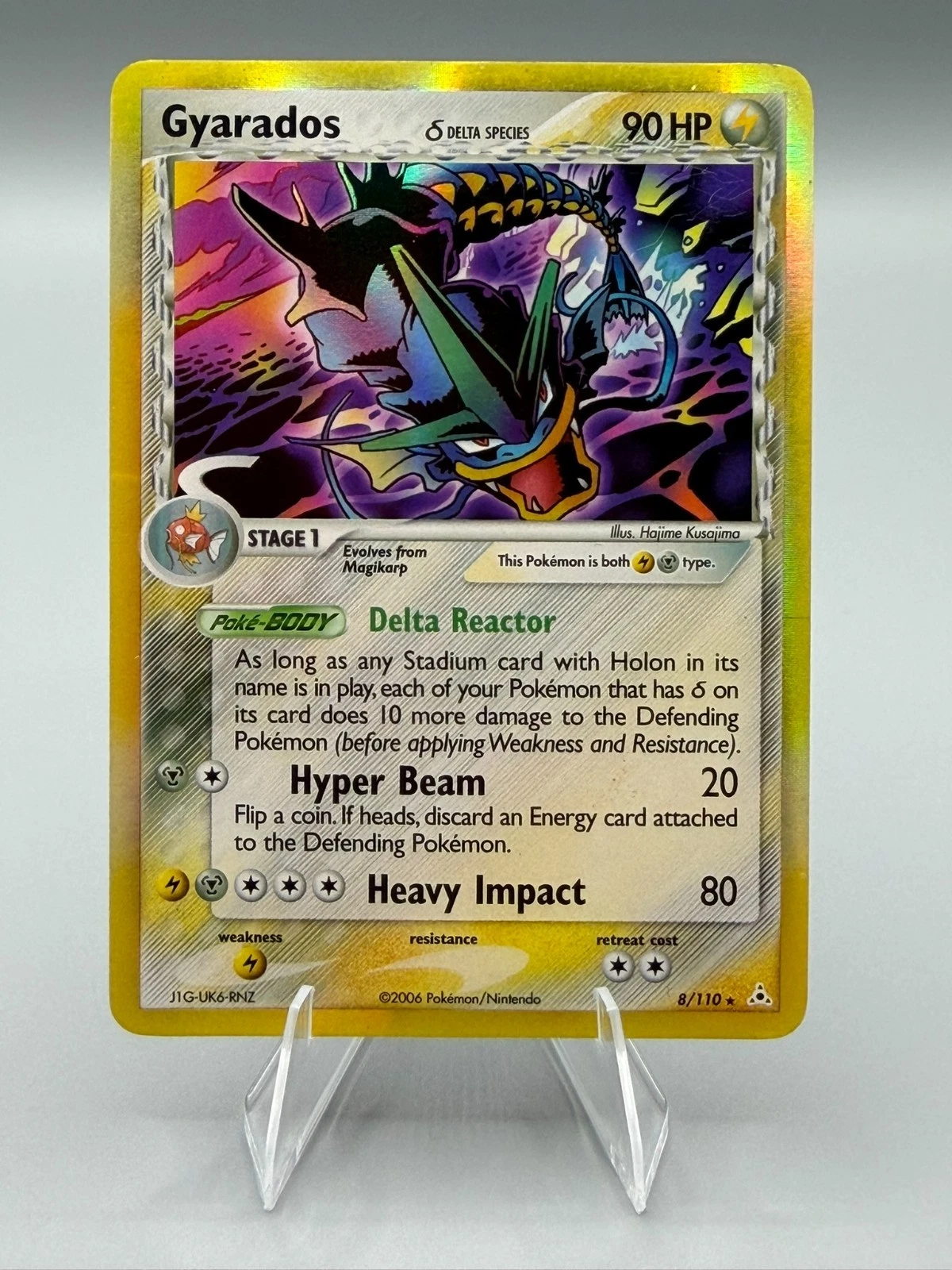
Graded cards are not priced by character popularity or by a bulk rate. A slab is priced on four things together, and changing any one of them can change the number noticeably.
- Exact card: the specific Pokémon, including variant, language, and whether it is a first edition, shadowless, holo, reverse holo, or a modern alternate art.
- Set: the same Pokémon can trade very differently across printings.
- Grade: the gap between a 9 and a 10 can be large, and for some cards the top grade carries a premium far beyond one number step.
- Grader: a PSA 10 and a CGC 10 of the same card are separate markets with their own sales history.
Live sold comps, card by card
Our buyers use internal pricing tools that pull live sold comps for each card. We look at what that exact card, set, grade, and grader has actually sold for recently, not at asking prices, which are often optimistic. If a card has few recent sales, the buyer will say so and explain how that affects the offer. We never publish prices in advance, because a number that is right for one slab is wrong for the next. The honest way to find out is a free quote or a quick look in person.
Why asking prices mislead
Sellers often anchor on the highest listing they have seen. Listings show what someone hopes to get, while sold comps show what buyers paid. A buyer who works from sold data gives you an offer you can compare against reality.
PSA vs CGC vs BGS vs SGC from a seller’s perspective
All four graders are accepted here. They differ in label style, subgrade practices, and how deep the resale market is, which affects how easily and quickly a slab sells later. The table below sticks to widely known facts and relative terms.
| Grader | Label and holder | Subgrades | Resale depth for Pokémon |
|---|---|---|---|
| PSA | Red-and-white label, widely recognized holder | Single overall grade on the standard label | Deepest overall; the most commonly traded Pokémon slabs, so comps are plentiful |
| CGC | Clean label, newer to Pokémon than PSA | Some labels show subgrades; check yours | Growing and solid; comps exist but are thinner than PSA for many cards |
| BGS (Beckett) | Thicker holder, label with subgrade breakdown | Four subgrades: centering, corners, edges, surface | Strong for top-grade and Black Label cards; narrower for mid grades |
| SGC | Distinctive holder, long history in sports and vintage | Single overall grade on standard labels | Respected, especially for vintage; Pokémon comps are usually thinner than PSA |
What this means when you sell
A deeper market usually means a buyer can price and resell with more confidence, so PSA slabs often hold value better than the same grade from a grader with fewer sales. That does not make the others a bad choice. A BGS 9.5 with strong subgrades or a Black Label can be sought after, and an SGC slab on a vintage card can be very liquid. Because each grader is priced on its own comps, you are not penalized for the logo, only for how much market evidence exists behind it.
Cert verification: what we check, and how to look yours up first
Every slab has a certification number on the label. In store we verify the cert number and the holder together. We confirm the number matches the card, the grade, and the grader’s records, and we inspect the holder for signs of tampering, damage, or a mismatched label. This protects you as well, because an unverified or altered slab is a problem for any buyer.
Look up your own cert before visiting
- Find the cert number printed on the label (and often on a barcode or QR code).
- Go to the grader’s official website and use its certificate or cert verification lookup.
- Enter the number and confirm the card name, set, year, and grade on screen match the slab in your hand.
- Note anything that differs and bring it up when you come in.
It takes a minute, and it also tells you exactly what you own so you can identify the card, set, and grade before asking for a quote. You can send those details through our free quote form if you want a first read before walking in.
Cracked, scratched, or damaged holders; crossover; and resubmission
Scratched or lightly scuffed holders
Surface scuffs on a case are common and usually a minor factor, though a heavily scratched holder can make the card harder to resell. We note the condition and price accordingly. Do not try to buff it out, as polishing can leave haze that looks worse.
Cracked holders
A cracked holder is a bigger issue. The grade only has meaning while the slab is intact and verifiable. A crack, a split seam, or a case that has been opened can make the cert harder to stand behind. We look at each case on its own and tell you plainly how it affects the offer. If the card inside is valuable, regrading may be worth considering, but that depends on the card and costs time and fees, so ask before you act.
Crossover
A crossover means cracking a slab from one grader and submitting it to another, hoping for the same or a higher grade. It can make sense when the card is a type that sells better in another grader’s holder, for example moving to PSA for deeper resale. It is a gamble, because the new grader may grade lower, and the fees and waiting time are yours. Selling as is can be the better move if the current slab already has solid comps.
Resubmission
Resubmitting the same card to the same grader hoping for a higher grade is mainly for cards where a one-grade jump would change value substantially and you believe the first grade was too low. If the card is borderline, the risk usually outweighs the upside. A buyer’s view is simple: sell the slab you have unless you can name a specific reason the regrade would pay off.
Selling one slab vs a graded collection
Selling a single slab is fast. Bring it, we verify the cert, check comps for that exact card, and make an offer. For a collection, the process is the same but repeated slab by slab, so allow more time. Each slab gets its own comp check, and a collection is never averaged into one number. A few practical tips:
- Sort by grader if you can, since each grader is priced on its own comps.
- Keep a list of card, set, grade, and cert numbers handy. It speeds things up and helps you cross-check.
- Decide whether you are selling all of it or only some. If you want to keep personal favorites, set them aside first.
- Bring raw singles and sealed product too. Notable raw singles are priced individually, true bulk is priced by the lot, and sealed product is checked in person for shrink-wrap, seams, and weight to rule out resealing.
For rare or high-profile cards, see our page on how to sell rare and famous Pokémon cards. If your collection also includes ungraded cards and collectibles, selling Pokémon cards and collectibles covers what we look at.
Local sale vs online marketplace, card shows, or consignment
No single route is best for everyone. The trade-off is usually between maximum possible price and speed, certainty, and effort.
| Option | What you gain | What you give up |
|---|---|---|
| Local buyer (walk-in) | Same-day cash, no listing work, no shipping risk, no buyer disputes | A buyer must leave room to resell, so you trade some upside for certainty |
| Online marketplace | Wide audience; you can wait for the right buyer | Listing time, platform and payment fees, shipping, returns, and scam or dispute risk |
| Card shows | Face-to-face negotiating with many dealers in one place | Table or travel costs, a lot of time, and no guarantee anyone wants your specific slab |
| Consignment | A seller markets the card for you | You wait to be paid, the card may sit, and a commission comes out of the sale |
If you need cash soon, want a clean transaction, or simply do not want to ship and handle messages, a local sale is hard to beat. If you have one very desirable slab and plenty of patience, an online sale may bring more, but only after fees, shipping, and waiting. Either way, an in-person quote costs nothing, so you can use it as a benchmark and decide from there.
How a visit works at our Brooklyn store
- Walk in with your cards. No appointment is required, and you can get a free quote first if you prefer.
- Verification. We check the cert number and holder in store.
- Pricing. The buyer runs live sold comps for each slab and explains the offer.
- Payment. If you accept, you are paid cash on the spot.
- ID. A valid government photo ID is required for every sale, which is the standard secondhand-dealer rule.
We are at 1938 Nostrand Ave, Brooklyn, NY 11210, near Nostrand Ave and Foster Ave, in the area around Paerdegat Park and Flatbush Town Hall. Keep slabs in a rigid case or top-loader box during travel so the holders do not get new scratches on the way. We also buy electronics, so if you have an old phone, console, or camera in a drawer, you can bring it along. Our New York locations page lists everywhere we operate.
Selling graded Pokémon from nearby towns
Bergen Beach
Bergen Beach is a short trip toward Nostrand Avenue, so it is easy to bring a few slabs in on a lunch break or an errand run. Pack them in a padded case, and bring your photo ID. A walk-in visit means no shipping a high-value slab to a stranger.
Marine Park
If you are in Marine Park, you are close enough to come by without planning a big trip. Collectors there often have a mix of older cards from childhood and newer slabs, and we price graded and raw cards separately, so bring both and we will sort through them with you.
Madison
From Madison, Nostrand Avenue is a straightforward route north. Walk-ins are welcome and no appointment is needed, so you can come after you have looked up your cert numbers at home. We handle PSA, CGC, BGS, and SGC all in one stop.
Gravesend
Gravesend sellers can reach us by car or transit without a long detour. If you are bringing a larger collection, a weekday visit tends to leave more room for going through each slab. The slabs are checked and priced one at a time, so give yourself some time.
New York
If you are coming from elsewhere in New York City or the wider area, it is worth sending a message through the quote form first so you know what to expect before making the trip. We keep it simple once you arrive: verification, comps, offer, cash.
Crown Heights
Crown Heights sits along Nostrand Avenue, so the avenue itself is the natural way down to us. Bring your slabs, your ID, and any cert numbers you have already checked, and we can go through them without an appointment.
Frequently asked questions
Can I sell PSA graded Pokémon cards without an appointment?
Yes. Walk in during store hours with your slabs and a valid government photo ID. You can also request a free quote online or by text first.
Do you buy CGC Pokémon cards and BGS slabs, or only PSA?
We buy PSA, CGC, BGS, and SGC. Each grader’s slabs are priced on that grader’s own sold comps, so a CGC or BGS slab is not marked down just for the label.
How do you decide what my graded card is worth?
We use internal pricing tools that pull live sold comps for the exact card, set, grade, and grader. We do not use a flat bulk rate for graded cards. For a first read, send details through our free quote page, or check our guide to selling graded Pokémon cards.
What if my slab has a scratch or crack in the case?
Bring it anyway. Minor scuffs usually matter less than a crack, and we explain how the holder’s condition affects the offer. Please do not open or attempt to repair the case first.
Should I crack my slab and resubmit it before selling?
Usually not unless you have a specific reason. Regrading costs time and fees and the grade can go down. If the current slab already has solid comps, selling as is tends to be the safer path.
Do I need to bring my certificate or paperwork?
No. The cert number on the label is what matters. It helps if you have looked it up on the grader’s website beforehand, but we verify it in store regardless.
Do you also buy raw Pokémon cards and sealed product?
Yes. Notable raw singles are priced individually and true bulk is priced by the lot. Sealed product is inspected in person, checking shrink-wrap, seams, and weight, to rule out resealing.
Ready to see what your slabs are worth? Get a free quote or just stop by Sell Your Gadgets at 1938 Nostrand Ave, Brooklyn, NY 11210. We are open Monday to Friday 10:00 AM to 7:00 PM, Saturday 11:00 AM to 6:00 PM, and Sunday 10:00 AM to 5:00 PM. Call (347) 365-5209 with questions, and bring your photo ID.
Hear from a real customer
Why they chose Sell Your Gadgets. Working or broken, get a free quote and walk out with cash the same day.
Compare your options
See how selling to us stacks up against other ways to sell, side by side.