Sell PSA Graded Pokémon Cards Near Me in Buffalo, NY
By syedladen ·
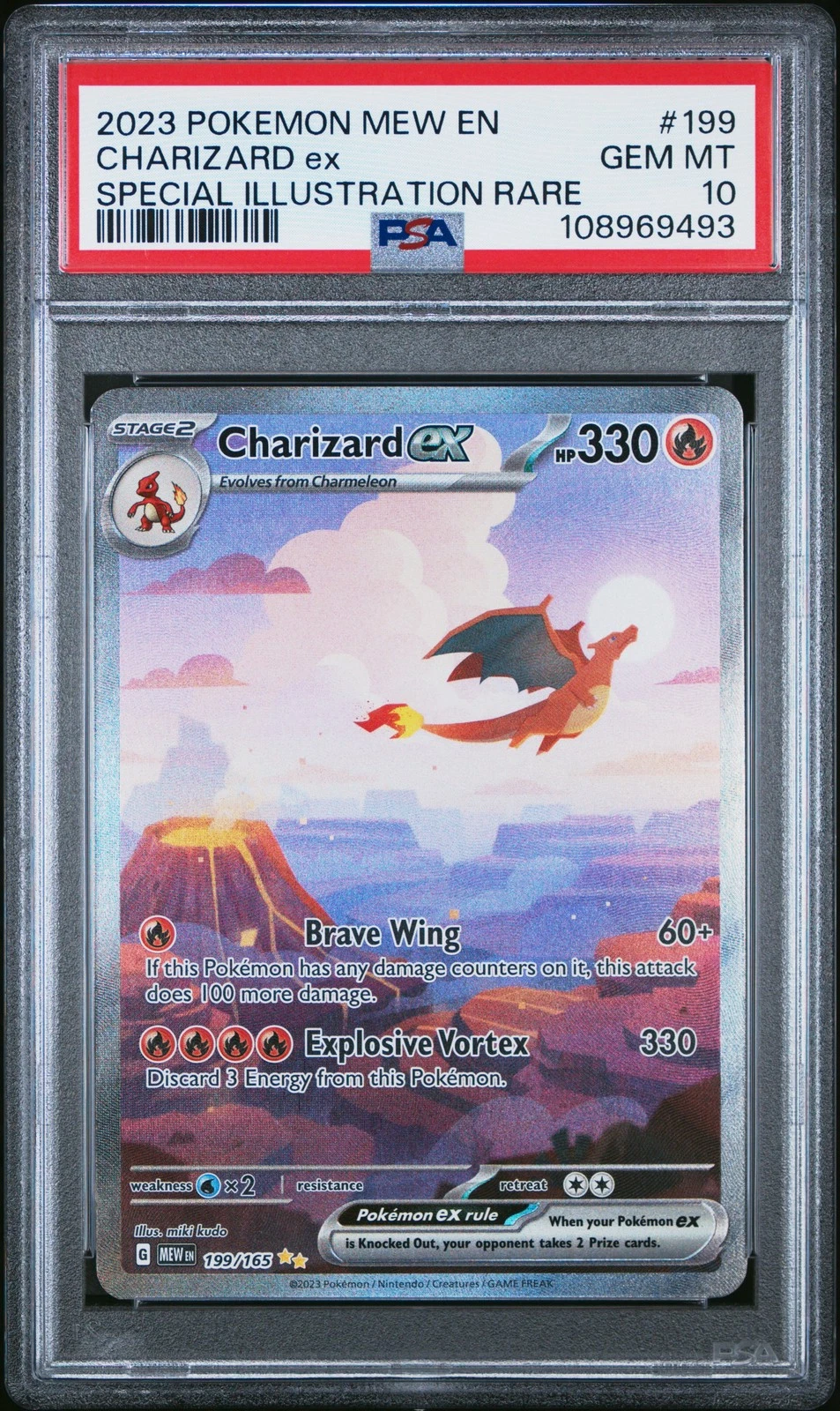
If you want to sell PSA graded Pokémon cards near you in Buffalo, NY, walk into Sell Your Gadgets on Elmwood Ave with the slabs, no appointment needed, and get paid cash on the spot once we verify and price them. We also buy CGC, BGS, and SGC slabs, and each one is priced on its own sold comps rather than a flat rate.
How selling graded Pokémon slabs works at our Buffalo store
The process is deliberately simple. You bring your graded cards to the Sell Your Gadgets Buffalo store at 478 Elmwood Ave, a buyer pulls up the card, checks the slab in person, prices it from current sold data, and makes an offer. If you like it, we pay cash right there. If you don't, you walk out with your slab and nothing lost.
A few basics worth knowing before you come:
- No appointment. Come during open hours and a buyer will look at your cards.
- Valid government photo ID is required for every sale. That is the standard secondhand-dealer rule, and it applies to cards just like it does to phones and laptops.
- Cash is paid on the spot once you accept the offer.
- We are a buyer, not a retail shop. We don't publish price lists, because a graded card's value depends on the exact slab in your hand.
If you'd rather get a feel for things first, you can start a free quote online, by text, or just show up. Our overview page for selling graded Pokémon cards covers the same ground in a shorter format.
How we price a graded slab: exact card, set, grade, and grader
Graded cards are one of the easiest things to price fairly and one of the easiest to price badly. The reason is that four details define the value, and changing any one of them can change the number dramatically.
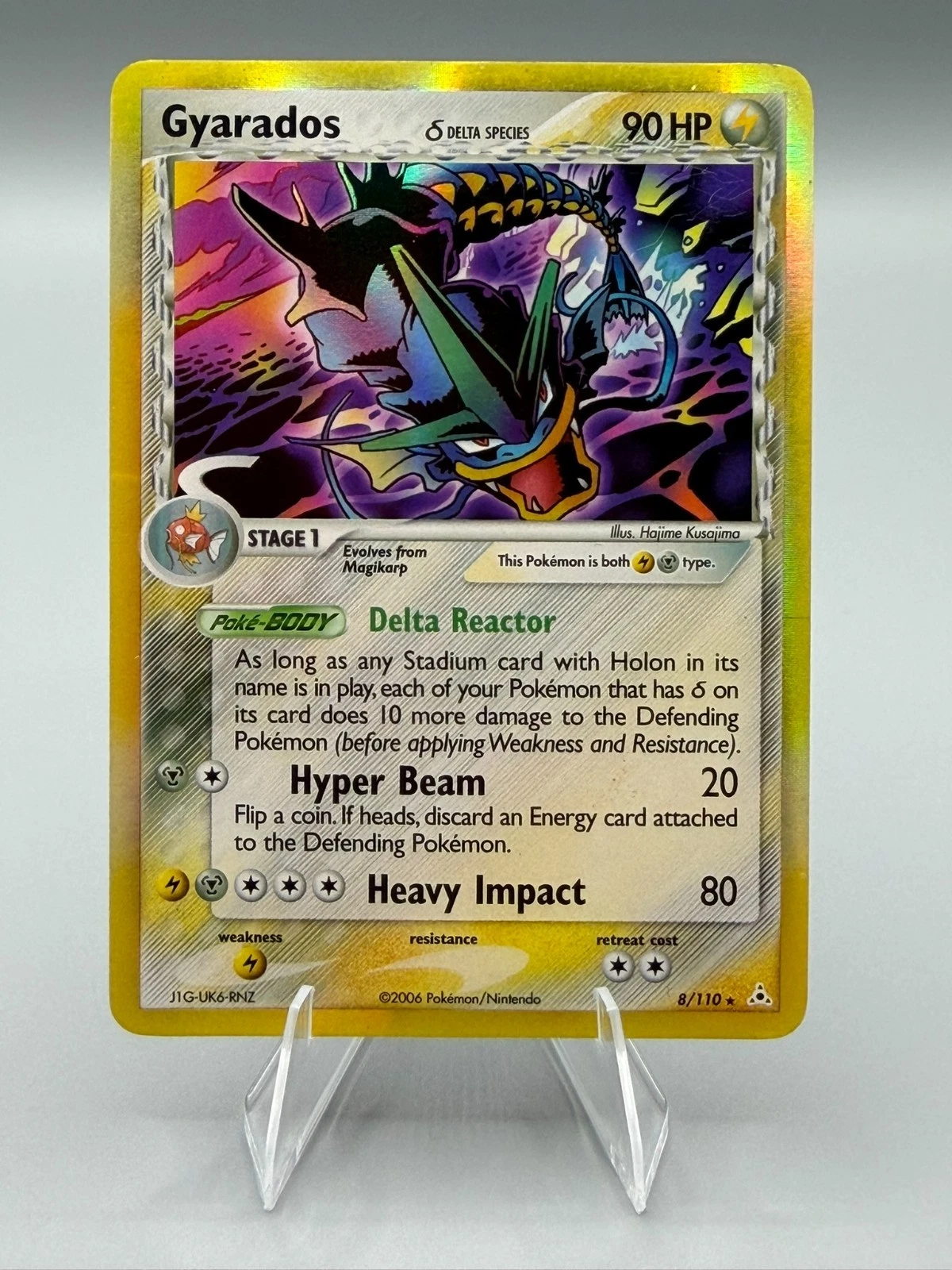
- The exact card. Not just the Pokémon, but the specific print: which character art, which variant, and whether it carries a stamp or special print marking.
- The set. The same Pokémon can appear in multiple sets with very different demand.
- The grade. The gap between adjacent grades is often large on popular cards, especially at the top end. A top-grade copy can sit in a different market altogether from the one below it.
- The grader. A PSA 10 and a BGS 10 of the same card are not the same product to buyers, and they don't trade at the same level.
Our buyers use internal pricing tools that pull live sold comps card by card. That means we look at what that specific card, in that set, at that grade, from that grader has actually sold for recently, not what sellers are asking and not a flat bulk rate. When a card has thin recent sales, the buyer will tell you so and explain how the offer was built. Several customers have mentioned that this transparency is what they value most about selling here, and it's how we want every offer to feel.
Why asking prices mislead
Online listings are a poor guide. Anyone can list a slab at an ambitious number, and it can sit there for months. Sold comps show what buyers actually paid. If you are researching beforehand, filter to sold or completed listings and match the grader and grade exactly.
Why we won't quote a price in a blog post
Slab values move with demand, reprints, new set releases, and market sentiment. Any number printed here would be stale quickly. The honest route is a free quote based on your actual card and the current comps.
PSA vs CGC vs BGS vs SGC: what sellers should know
We buy all four, and each is priced on its own comps. The table below summarizes widely known differences from a seller's point of view. It is general guidance, not a ranking of quality.
| Grader | Label and scale | Subgrades | Resale depth |
|---|---|---|---|
| PSA | Numeric 1 to 10 scale, simple label showing the overall grade | Not shown on the standard label | Generally the deepest buyer pool for Pokémon slabs, so popular cards tend to move quickly |
| CGC | Numeric scale with a clean, easy-to-read label; has become a common choice for newer submissions | Subgrades appear on some labels and tiers | Growing buyer base; can trade differently from PSA on the same card and grade |
| BGS (Beckett) | Overall grade with half-point steps | Four subgrades (centering, corners, edges, surface) shown on the label | Strong demand for top-subgrade copies; middle grades can be a narrower market |
| SGC | Numeric scale in a distinctive dark-trimmed holder | Not shown on the standard label | Well established with vintage and sports collectors; Pokémon demand varies by card |
What this means when you sell
Resale depth affects how confidently a buyer can price and re-sell a slab. Where the market is deep, there are more recent comps, so offers tend to be easier to support. Where it is thinner, the buyer has to be more careful. This isn't a verdict on the grading company. It is just how liquidity works. For BGS, the subgrades matter a lot, so a card with strong subgrades can be valued very differently from one with the same overall grade but weaker subgrades.
Cert verification: what we do in store and how to look up your own first
Every graded card gets verified in person. The buyer checks the cert number on the label against the grader's records, confirms the holder looks authentic and untampered, and makes sure the card inside matches what the label says. This protects you and us from counterfeit holders and relabeled slabs, which do exist in the market.
Look up your cert before you visit
You can do the same check at home in a couple of minutes:
- Find the cert number printed on the label. It is usually a string of digits, sometimes with a barcode or QR code nearby.
- Go to the grader's own website (PSA, CGC, Beckett, or SGC) and use its certificate verification tool.
- Compare the result to your slab: card name, set, year or card number, and grade should all match what's on the label.
- Note any population or registry information the lookup shows. It's useful context, though pricing still comes from sold comps.
If a lookup doesn't match your label, don't panic. Bring it in anyway and we'll look at it in person, but it's better to know ahead of time.
Cracked, scratched, or damaged holders: what to do
Slabs take abuse in binders, boxes, and moves. How much it matters depends on what kind of damage you have.
Surface scuffs on the plastic
Light scratches on the case are common and usually a small factor, especially on cards where the slab is secondary to the card inside. Heavily scratched holders that obscure the card or label will lower interest from buyers who plan to resell.
Cracks, chips, or corner damage on the holder
A cracked case is a bigger concern because it raises questions about whether the card was removed or tampered with. Expect a more conservative offer. Bring it in and the buyer will inspect it and explain how the damage affects the number.
Should you crack it open or resubmit?
Usually not on your own. Pulling a card out of a slab ends its graded status, and it can't go back in as the same cert. Resubmission to the same company, or crossover to a different one, can make sense when you believe a card is clearly undergraded or the other grader's market pays more for that specific card. But it costs fees, takes time, and can come back lower. If your card is a modest-value copy, the expected gain rarely justifies the risk. Selling the slab as it is tends to be the cleaner choice. If you're unsure, ask the buyer; we can tell you honestly whether a slab is worth leaving alone.
Selling one slab versus a graded collection
A single slab is quick: verify, comp, offer, cash. A collection takes a little longer, but the process is the same. Each slab is priced individually from its own comps, so a mix of PSA, CGC, BGS, and SGC cards is no problem.
- Bringing several slabs: Sort them if you can, by grader or by set, and bring a list if you have one. It speeds up the checking.
- Bringing a large collection: Plan a bit more time, and consider coming earlier in the day. Our hours are Monday to Friday 10 AM to 7 PM and Saturday 11 AM to 6 PM.
- Mixed collections: If you have raw cards, sealed product, or other TCGs alongside slabs, bring everything. Notable raw singles are priced individually, true bulk is priced by the lot, and sealed product is inspected in person (shrink-wrap, seams, and weight) to rule out resealing.
If your collection leans toward high-profile cards, see our guide to selling rare and famous Pokémon cards. For the wider mix of cards and collectibles, there's also selling Pokémon cards and collectibles.
Local sale vs online marketplace, card shows, or consignment
There is no single best channel. Each trades money against time, effort, and risk.
Selling locally for cash
You get a firm offer, immediate payment, no shipping, no waiting on a buyer, and no dealing with disputes. The trade-off is that a buyer needs room to resell, so a local offer will usually sit below what a patient seller might get from the end collector.
Online marketplaces
Listing yourself can reach more end buyers and may bring a higher sale on a popular slab. But you pay platform and payment fees, photograph and ship carefully, and deal with returns or claims. Unsold listings can sit, and shipping risk is real for fragile slabs.
Card shows
Shows can work well if you enjoy negotiating and have a table or the time to walk the floor. The cost is your day, entry or table fees, and the fact that dealers there are also buying to resell, so they price accordingly.
Consignment
Consignment can capture more of the final sale price, but you wait for the card to sell, pay a cut, and have no certainty on timing. It suits high-value cards that you can afford to leave out of your hands for a while.
One of our customers put it well in a review: they could have probably made a little more selling everything themselves, but the convenience of a quick, hassle-free sale was worth it. That's the trade in a nutshell. If you want a benchmark, get a free quote from us first, then compare it against your other options.
What to bring when you sell graded Pokémon cards
- Valid government photo ID. Required for every sale.
- Your slabs, protected. Use top loaders or a box with padding so holders don't scuff on the way in.
- Any paperwork you have, such as submission receipts or order confirmations. They're not required, but they help for a recent return.
- A list of what you're bringing, if it's a bigger collection.
- Your minimum, if you have one in mind. You're free to decline any offer.
Selling graded Pokémon cards if you're coming from nearby
We buy from across the Buffalo area. Here is how it works from a few of the places we serve, with the store at Elmwood Ave and Bryant Street.
Park Meadow
If you're coming from Park Meadow, plan on a straightforward drive into the Elmwood corridor. Bring your slabs in a padded box and you can usually be in and out in one visit during weekday hours.
Grider
Grider sellers can reach the store without much hassle. It's an easy stop to combine with other errands, and since no appointment is needed, you can come when it fits your schedule.
MLK Park
From MLK Park, the trip to Elmwood Ave is a short one across the city. If you're holding a few slabs, you can verify certs at home first and bring everything in a single trip.
Broadway - Fillmore
Broadway - Fillmore residents can head toward the Elmwood side of town for a same-day cash sale. If you have a mixed stack of PSA, CGC, BGS, and SGC cards, bring them all and each one gets priced separately.
Tonawanda Town
Coming down from Tonawanda Town, you'll be heading into the city along familiar routes toward Elmwood Ave. It's worth the drive if you have a collection and want a firm offer without shipping anything.
Cheektowaga
Cheektowaga sellers can reach us by crossing toward the Elmwood corridor. Saturday works well if weekdays are busy, though our Saturday hours run 11 AM to 6 PM and we are closed Sunday. For other locations, see our page on selling in New York.
Frequently asked questions
Who buys PSA cards near me in Buffalo?
Sell Your Gadgets Buffalo buys PSA slabs in store at 478 Elmwood Ave. We verify the cert, price the card from sold comps, and pay cash on the spot with valid photo ID.
Can I sell CGC Pokémon cards here?
Yes. CGC slabs are bought and priced on their own comps, not lumped in with PSA. The buyer checks the cert and holder, then makes an offer based on the exact card, set, and grade.
Do you buy BGS slabs, and do subgrades matter?
We do buy BGS slabs. Subgrades matter because two cards with the same overall grade can be valued differently depending on centering, corners, edges, and surface scores. The buyer considers them when pricing.
Do I need an appointment to sell?
No. Walk in during open hours with your cards and valid government photo ID. If you want to know what to expect first, request a free quote.
Will you buy a slab with a cracked or scratched case?
Often yes, but the offer will reflect the condition of the holder. Light scuffs matter less than cracks or signs of tampering. Bring it in and the buyer will explain how it affects the price.
Should I crack a slab and resubmit it before selling?
For most cards, no. Resubmission costs fees and time, and the grade can come back the same or lower. It only makes sense for cards you're confident are undergraded and valuable enough to justify the risk. When in doubt, ask a buyer first.
Do you also buy raw Pokémon cards, sealed product, and other TCGs?
Yes. Notable raw singles are priced individually, true bulk is priced by the lot, and sealed product is inspected in person for resealing. We also buy Magic, Yu-Gi-Oh!, One Piece, Lorcana, and sports cards.
Ready to sell? Get a free quote or bring your slabs and valid photo ID straight to the Sell Your Gadgets Buffalo store at 478 Elmwood Ave, Buffalo, NY 14222. We're open Monday to Friday 10 AM to 7 PM, Saturday 11 AM to 6 PM, and closed Sunday. Call (716) 248-2866 with any questions.
Hear from a real customer
A real customer on their experience. Working or broken, get a free quote and walk out with cash the same day.
Compare your options
See how selling to us stacks up against other ways to sell, side by side.