Sell PSA Graded Pokémon Cards Near Me in Downtown Brooklyn
By syedladen ·
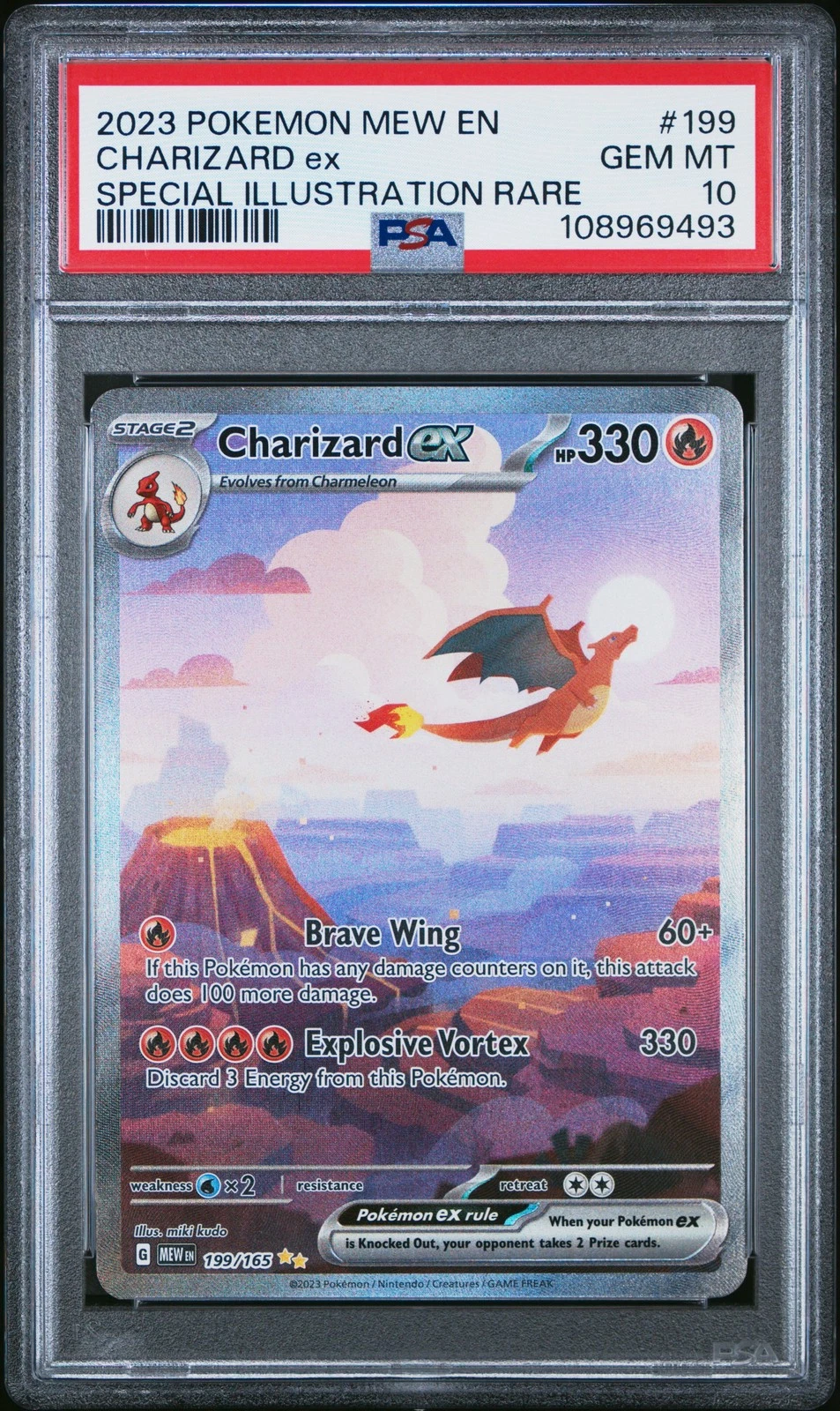
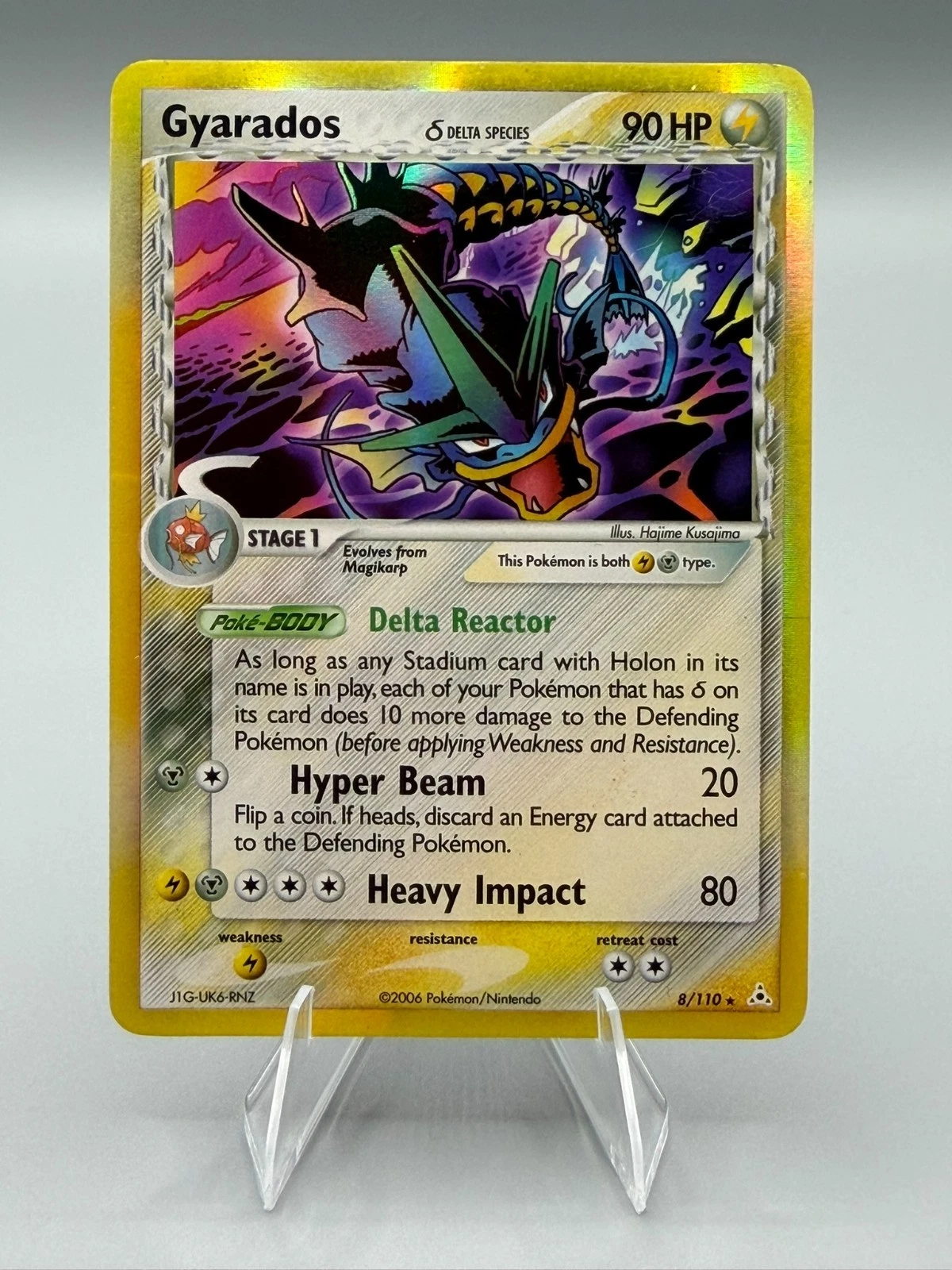
If you want to sell PSA graded Pokémon cards near you in Downtown Brooklyn, you can walk into Sell Your Gadgets at 375 Dean St with the slabs, no appointment, and leave with cash once the cert is verified and you accept the offer. We also buy CGC, BGS, and SGC slabs, and each one is priced on its own sold comps rather than a flat rate.
This guide explains how we price graded cards, how the four main graders compare when you sell, what to do with a damaged holder, and whether a local sale beats an online listing, a card show, or consignment for your situation.
Who buys PSA cards near me in Downtown Brooklyn?
If you have searched "who buys PSA cards near me," you have probably found a mix of online buyback forms, auction sites, and a few shops that only take sports cards or only trade for store credit. Our Downtown Brooklyn store is a buyback counter. We pay cash for what you bring in, and Pokémon is one of the categories we buy in person.
We are an electronics buyback store first, so you will see phones, consoles, and cameras on the counter next to the cards. That works in your favor. The people behind the counter handle secondhand purchases all day, follow the same ID and verification routine every time, and are used to inspecting items closely before making an offer.
For graded Pokémon, the process is simple:
- Walk in with your slabs during store hours. No appointment is needed.
- We inspect each holder and verify the cert number.
- We price each card from live sold comps.
- If you accept, you get paid cash on the spot with a valid government photo ID.
You can also start from the graded Pokémon card page if you want a summary before you come in.
How graded Pokémon slabs are priced
A graded card is not priced like a raw card, and it is certainly not priced by a flat bulk rate. Our buyers use internal pricing tools that pull live sold comps card by card. Four details decide the number, and they have to match exactly:
- The exact card. Name, card number, and any variant details such as a first edition stamp, shadowless print, holo pattern, or promo marking.
- The exact set. The same character can appear in several sets and reprints, and values can differ a lot between them.
- The exact grade. A single point on the grading scale can change the market significantly, especially at the top end.
- The exact grader. A PSA 10 and a CGC 10 of the same card are different items with different sold histories.
Why sold comps matter more than asking prices
Asking prices on listings tell you what sellers hope to get. Sold comps tell you what buyers actually paid. For popular modern chase cards, the market can shift quickly, so a number you saw months ago may be out of date. We look at recent completed sales for the matching card, set, grade, and grader, then make an offer that leaves room for us to resell.
Why we do not give a public price list
We do not publish prices because they would be stale quickly and misleading for your specific slab. The honest way to know what yours is worth is to have it looked up individually. If you want a head start, send details through the free quote form and we can talk through it before you travel.
PSA vs CGC vs BGS vs SGC: what sellers should know
All four graders are accepted here, and each is priced on its own comps. From a seller's point of view, though, they are not interchangeable. The table below sticks to widely known facts about each company's slabs and market position.
| Grader | Label and holder | Subgrades | Resale depth for Pokémon |
|---|---|---|---|
| PSA | Red-and-white label style, widely recognized hard case | No subgrades on the standard label; one overall grade on a 1 to 10 scale | Generally the deepest buyer pool and the most sold comps, so pricing is usually easiest to pin down |
| CGC | Clear, modern case with a clean label; grew from its comics and trading card grading background | Offers subgrade detail on some labels and grade tiers, depending on the service used | Growing demand and a solid collector following, though typically fewer sold comps than PSA for many cards |
| BGS | Thick Beckett holder with a distinctive label | Four subgrades (centering, corners, edges, surface) shown on the label, with half-point grades | Strong with collectors who value subgrades, especially for top-tier grades; buyers read the subgrades closely |
| SGC | Black-insert style holder, long associated with sports cards | Overall grade on the label | Well established in sports cards and increasingly seen in Pokémon; the buyer pool is smaller for some cards, so comps matter |
What "resale depth" means for your payout
Depth is how easily a slab resells. A grader with many recent sales of your exact card makes the price more predictable. A grader with fewer sales means more judgment and wider variance. That is why PSA slabs often feel simpler to price, and why we never assume a CGC or SGC slab should be valued the same as a PSA slab of the same number.
BGS subgrades change the conversation
If you are selling a BGS card, bring the label's subgrades into the discussion. Two slabs with the same overall grade can sell differently if one has uniformly strong subgrades and the other has a weaker one. Our buyers look at the subgrades when matching comps.
Cert verification: what we do in store and what you can do first
Every graded slab we buy gets verified in the store. We check the cert number against the grader's records, make sure the card and grade on the label match the record, and inspect the holder for signs of tampering or damage. This protects you as much as us. It confirms the slab is what the label says it is.
Look up your own cert before visiting
You can do the same check at home in a couple of minutes:
- Find the cert number on the label. It is printed on the label itself and usually also on a barcode or QR code.
- Go to the grader's official website. PSA, CGC, BGS, and SGC each have a cert lookup tool.
- Enter the number and compare the card name, set, year, and grade shown online with what is printed on your slab.
- Note any population or registry information the lookup shows, since it gives context on how common the grade is.
If the lookup does not match the slab, do not bring it in expecting a quick sale. Contact the grader first. If it matches, you have everything you need to come in.
What gets checked on the holder
- Case seams and edges for signs of opening or re-gluing
- Label alignment and print quality
- Scratches, cracks, or deep scuffs on the case
- Whether the card inside sits properly and looks consistent with the grade
Cracked, scratched, crossover, and resubmitted slabs
Not every slab is perfect. Here is how each situation usually plays out when you sell.
Light scratches on the case
Surface scuffs on the plastic are common, especially on older slabs. They can affect eye appeal, and some buyers care more than others, but the grade inside is still the grade. We note the condition of the case, and it can influence the offer. Do not try to buff or polish the holder yourself, since that often makes it worse.
Cracked holders
A cracked case is a bigger issue. The cert may still verify, but the slab is no longer sealed the way the grader intended, and buyers will wonder whether the card was swapped. A cracked slab is generally priced lower than an intact one. Sometimes the best move is to ask the grader about reholdering where they offer it, but that adds time and risk. Bring the cracked slab in and we will tell you plainly what it looks like on our end.
Crossover
Crossing over means taking a card out of one grader's slab and submitting it to another, hoping for the same or a better grade. It can make sense when the market for your card clearly favors a different grader and you believe the card is strong. The risks are real: the new grade may come back lower, the process takes time, and you pay fees. If you simply want cash now, selling the slab as it is usually avoids that gamble.
Resubmission
Resubmitting a card to the same grader in hopes of a higher grade is a long shot unless there was a clear error or a borderline call. Cards that sit near a grade boundary are the usual candidates. For most sellers who want cash, the cost and waiting time do not outweigh simply selling what you have.
One slab or a whole graded collection
Selling a single slab is quick. We verify it, run the comps, and make an offer. A collection takes longer because every slab is looked up on its own: exact card, set, grade, and grader. Expect the buyer to work through each piece, not value the group by a headline number.
- Prepare a list. A simple list of card names, sets, grades, and cert numbers saves time at the counter.
- Separate your best cards. Put the cards you are most attached to or most curious about on top, so we start there.
- Decide what you will not sell. You can say no to any single offer, and you can keep some cards and sell the rest.
- Mix is fine. You can bring graded slabs, sealed product, and raw cards in one visit. Sealed product has its shrink-wrap, seams, and weight inspected in person to rule out resealing. Notable raw singles are priced individually, and true bulk is priced by the lot.
If your collection includes headline cards, the page on rare and famous Pokémon cards covers what we look for. For a mixed bag of cards and collectibles, see selling Pokémon cards and collectibles.
Local sale vs online marketplace, card show, or consignment
A local cash sale is not always the highest-paying route in theory, but it is often the easiest one. Here is how the main options compare.
| Route | Speed | Effort and risk | Best for |
|---|---|---|---|
| Local buyback (our store) | Same visit, cash on the spot | Low effort; you accept or decline an offer in person | Sellers who want certainty and no shipping |
| Online marketplace | Depends on when a buyer shows up | You handle photos, listings, fees, shipping, and possible disputes or returns | Sellers with time who want to chase the top of the market |
| Card show | Only on show days | Table or travel costs and haggling; offers can vary widely from dealer to dealer | Sellers who enjoy the scene and can compare several dealers |
| Consignment | Slowest; paid after the card sells | Lower effort, but your card is tied up and a share goes to the consigner | High-end cards where waiting for the right buyer is worth it |
The honest trade-off
When you sell to a buyer, we have to leave room to resell, so the offer will generally sit below what a patient seller might eventually collect from an end buyer. In exchange, you skip fees, shipping, scams, and waiting. If a card is truly high-end and you are in no hurry, listing or consigning may be worth exploring. If you want cash today, a local sale is hard to beat for convenience. You can also get a free quote first and compare it with other routes before deciding.
What to bring and what to expect at the counter
- Valid government photo ID. Required for every sale, as with any secondhand dealer.
- Your slabs in protective cases. A rigid case or sturdy box helps you travel with them without added scuffs.
- Any paperwork. Receipts, grading invoices, or screenshots of cert lookups are helpful, though not required.
- Realistic expectations. Offers come from sold comps and condition, not from original purchase price or what a listing asks.
Once we have verified your cert and priced the card, we will explain the offer. If you are not happy with it, you can say so. Some of our customers have told us in reviews that the buyers were open to discussing their offer, and others mention being given full attention while the store was busy. You are never obligated to sell.
Since we buy a wide range of electronics too, you can combine a card sale with an old phone, console, or camera in the same trip. We also buy other trading card games, including Magic, Yu-Gi-Oh!, One Piece, and Lorcana, as well as sports cards.
Coming from nearby towns and neighborhoods
We see people from across Brooklyn and beyond. Here is how the trip usually looks from each area. Check the transit options for your own route, since service can change.
Bushwick
If you are in Bushwick, you can get to Downtown Brooklyn by subway or bus without going through Manhattan in most cases. Slabs travel fine in a padded case in a bag. Bring your cert numbers written down so the visit stays quick.
Stuyvesant Heights
Stuyvesant Heights is close enough that many people make this a quick errand. Plan around our weekday hours, since we open at 10:00 AM Tuesday through Friday. Weekday mornings tend to be calmer than late afternoons.
Crown Heights
Crown Heights sellers are among the nearest to us, so a short transit ride or a bike trip works. Check on foot access and transit near Dean St and 4 Av when you plan your route. If you only have one or two slabs, you can usually be in and out efficiently.
Flatbush
From Flatbush, the trip into Downtown Brooklyn is a straightforward one on Brooklyn transit. If you are bringing a larger collection, give yourself extra time at the counter. Each slab is verified and priced individually.
New York
If you are coming from Manhattan, Downtown Brooklyn is a short subway ride across the river. Many Manhattan sellers bring a few slabs plus an old device in one trip. Keep your ID handy and carry the cards in a rigid case on the train.
Jersey City
Jersey City sellers usually come in via PATH or other transit through Manhattan and then onward to Brooklyn. It is a longer trip, so confirm your cert numbers and send a quick request through the free quote page first. That way you know what to expect before you cross the river.
Frequently asked questions
Do I need an appointment to sell graded Pokémon cards?
No. You can walk in during store hours with your cards. For a large collection, a heads-up through a quote request can help us plan time for you.
Can I sell CGC Pokémon cards here, or only PSA?
We buy CGC as well as PSA, BGS, and SGC. Each is priced on its own sold comps for the exact card, set, and grade, so a CGC slab is never just treated as a PSA slab.
Do you buy BGS slabs with subgrades?
Yes. We look at the overall grade and the subgrades when matching comps, since the subgrades can influence how a BGS slab sells.
What if my slab is cracked or the case is scratched?
Bring it in. Light scratches may matter little, while a cracked or reopened case generally lowers what a buyer will pay. We will inspect it, verify the cert, and tell you where it stands.
How do I know my cert number is real?
Look it up on the grader's own website before you come in and confirm the card, set, and grade match the label. We also verify the cert and holder in store on every slab.
Do you pay a flat rate for graded cards?
No. Graded slabs are priced card by card from live sold comps. Raw bulk is the only category priced by the lot, and notable raw singles are still priced individually.
What do I need to bring to get paid?
A valid government photo ID is required for every sale. Once you accept the offer, payment is cash on the spot.
Ready to find out what your slabs are worth? Start with a free quote or just walk in to Sell Your Gadgets Downtown Brooklyn at 375 Dean St, Downtown Brooklyn, NY 11217. We are open Monday 12:00 PM to 7:00 PM, Tuesday through Friday 10:00 AM to 7:00 PM, and Saturday 12:00 PM to 5:00 PM, and closed Sunday. Call (718) 500-3450 with questions, or see our store page for details.
Hear from a real customer
A real customer on their experience. Working or broken, get a free quote and walk out with cash the same day.
Compare your options
See how selling to us stacks up against other ways to sell, side by side.