Sell PSA Graded Pokémon Cards Near Me in Elmwood Park, NJ
By syedladen ·
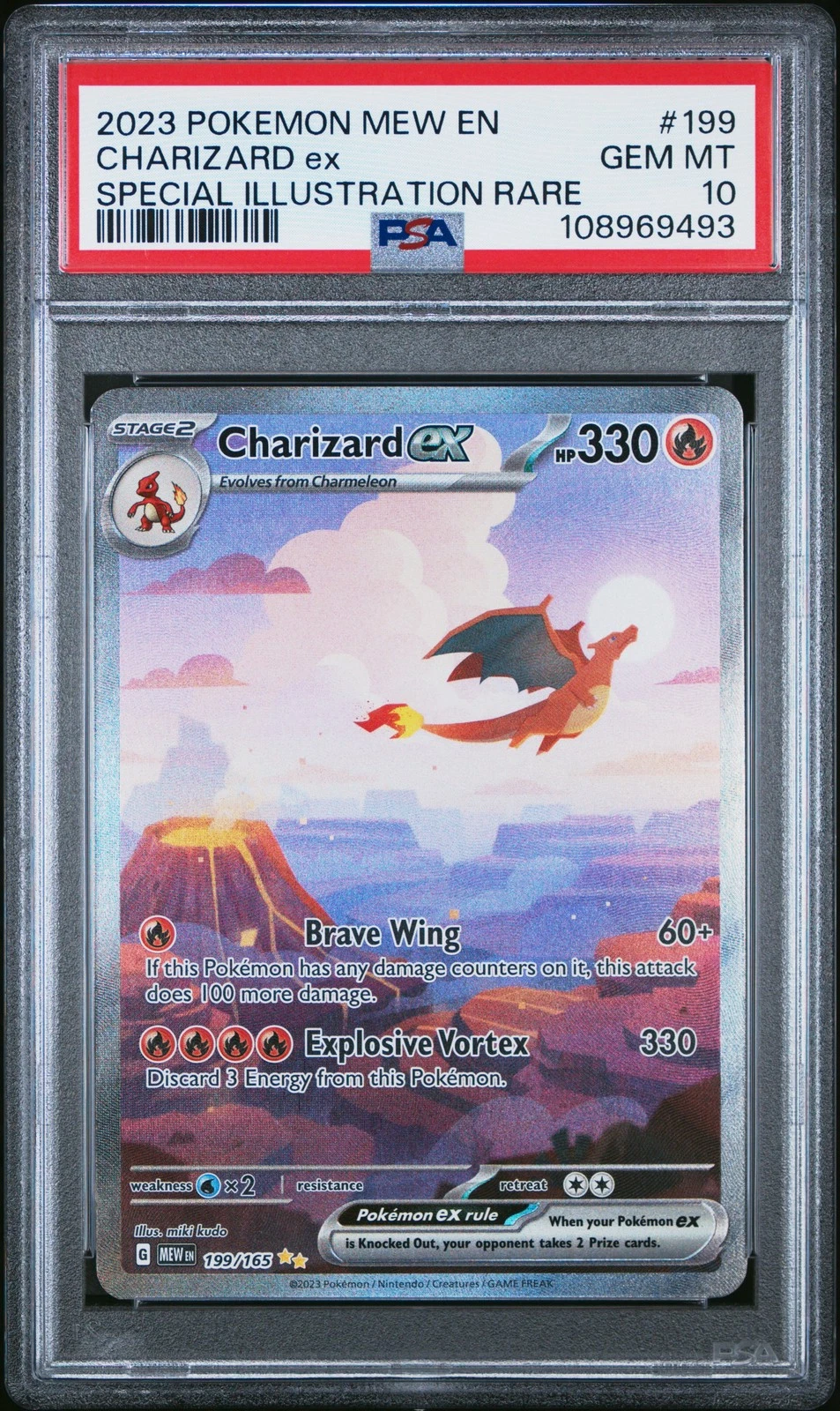
You can sell PSA graded Pokémon cards in Elmwood Park, NJ by walking into Sell Your Gadgets at 81 Broadway with the slabs. No appointment is needed, each slab is priced on its own sold comps, and you are paid cash on the spot. The same goes for CGC, BGS, and SGC slabs. Bring a valid government photo ID, because it is required for every sale.
If you have been searching for who buys PSA cards near me, this guide covers how a local buyer prices a slab, how cert verification works, and when selling locally beats listing online. It also covers what to do about a cracked holder or a crossover idea. Our Elmwood Park store is a buyback counter, so we pay you and we never sell cards or devices across it.
How graded Pokémon slabs are priced
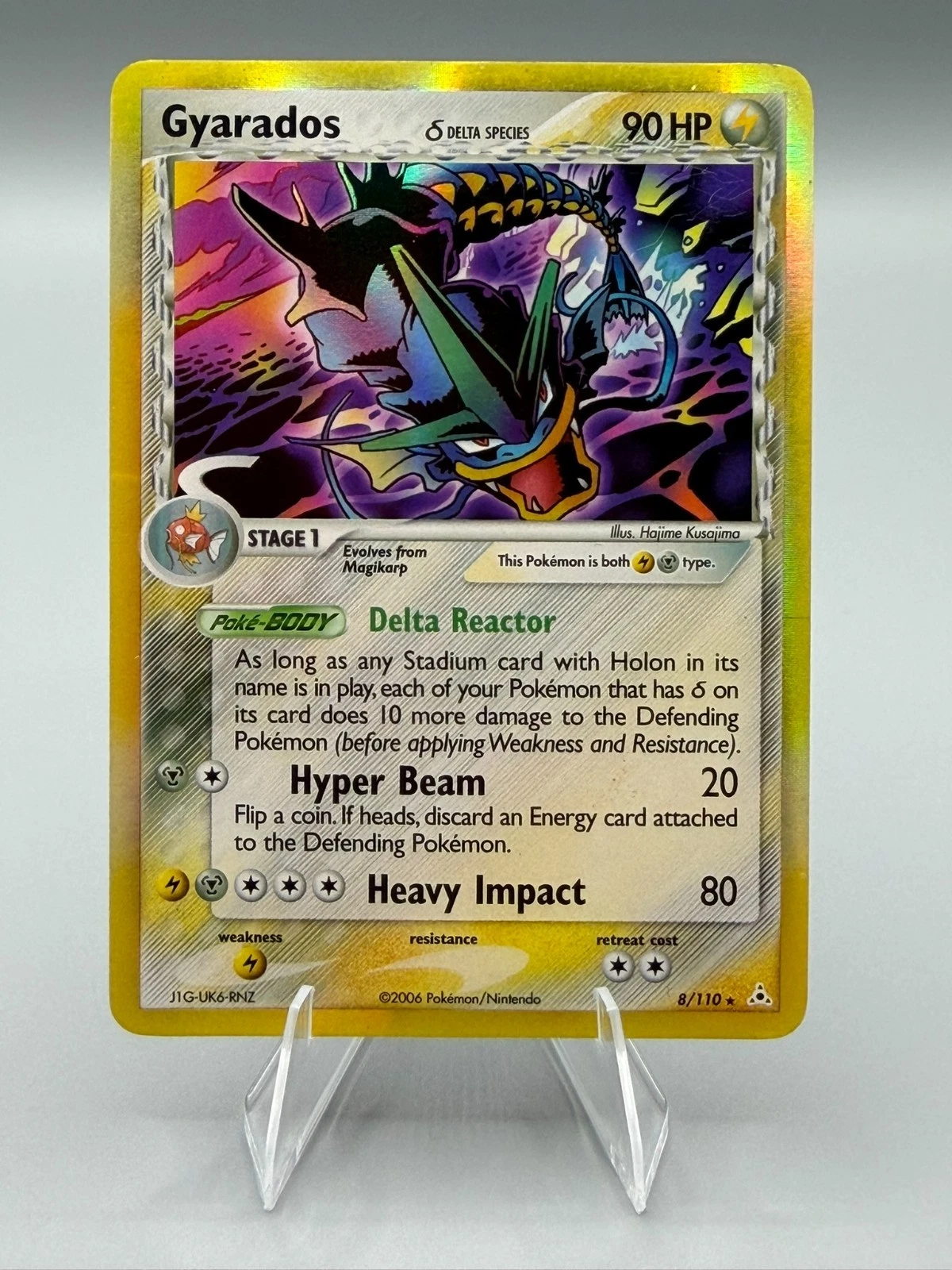
A slab is not priced by a flat rate per grade. A buyer here prices each one from exact card + set + grade + grader, using internal pricing tools that pull live sold comps card by card. Every part of that formula changes the number:
- Exact card: Charizard is not one price. Holo, reverse holo, alternate art, full art and promo versions of the same Pokémon can sit far apart.
- Set and edition: Base Set Unlimited, Shadowless and 1st Edition are different markets. So are English and Japanese printings, and stamped or error variants.
- Grade: A 10 and a 9 of the same card can be dramatically different in value. The gap is card-specific, so it cannot be guessed.
- Grader: A PSA 10 and a CGC 10 of the same card do not necessarily sell for the same amount. Each is priced on its own comps, never averaged together.
Sold comps, not asking prices
Anyone can list a slab at an optimistic number. What matters is what comparable slabs actually sold for recently. Sold comps show you real demand, and they show when a card has gone quiet or started moving.
Why a cash offer sits below a dream retail price
A buyer paying cash takes on the holding time, the resale effort and the market risk. So an instant offer will naturally sit below the highest price you might eventually get from a patient retail buyer. In exchange, you get certainty, no fees, no shipping and no waiting. We do not quote prices publicly, because slab values move too quickly. The accurate way to see where yours stands is a free quote.
PSA vs CGC vs BGS vs SGC: what sellers should know
All four are bought here, and each is priced on its own comps. From a seller's seat, the differences are about label style, subgrades and how deep the resale market is for that grader's slabs.
| Grader | Label and holder | Subgrades | Resale depth for Pokémon | Seller note |
|---|---|---|---|---|
| PSA | 1-10 scale, red-and-white label, rigid holder | Not shown on standard labels | Generally the deepest market and most recognized | Easiest to comp, and usually the quickest to move |
| CGC | 1-10 scale with a Pristine 10 tier, clear modern holder | Shown on some label types | Growing, though generally narrower than PSA | Comps depend on the exact card and grade, so each slab is looked up individually |
| BGS | 1-10 scale with half grades, thicker holder, Black Label for perfect subgrades | Centering, corners, edges and surface | Strong at the top end, especially for high-grade modern cards | Subgrades matter. A 9.5 with strong subgrades is not the same as a 9.5 with one weak one |
| SGC | 1-10 scale, known for its black-border holder | Not typically a selling point on standard labels | Solid, with a long history in vintage and sports cards | Priced on SGC comps, which are thinner for some modern Pokémon cards |
Do not assume one grader is better than another. For a given card, one grader may fetch a premium, and for the next card it may be a different one. That is why a number-one rule of selling slabs is to look at the comps for your exact grader, not for the grade alone.
Selling CGC Pokémon cards
If you want to sell CGC Pokémon cards, bring the slabs as they are. CGC comps are looked up on their own, so you do not need to convert them into a PSA equivalent. The same applies to anyone looking to sell BGS slabs near me: bring the slab with its label and subgrades intact and legible.
Check your cert number before you visit
Every major grader prints a certification number on the label, and each runs a public cert lookup on its website. Searching your number takes about a minute and lets you confirm a few things before you drive over:
- Find the cert number on the label (PSA, CGC and SGC also place it on or near a barcode or QR code).
- Enter it on that grader's own verification page. Use PSA's site for PSA slabs, Beckett's for BGS, CGC's for CGC and SGC's for SGC.
- Compare what comes up with what is on your slab: card name, set, year or edition and grade.
- Note any population or image data the page shows, because it helps you understand rarity and condition.
- Screenshot the lookup or keep it handy on your phone.
If the lookup does not match the slab, that is worth knowing before anyone makes an offer. If it matches, you have already done the first step the buyer will do.
What verification looks like in store
At the counter, the cert number and holder are verified in person. The buyer checks that the number returns the same card and grade that the label claims. They inspect the holder itself: seams, label alignment, signs of tampering and surface damage. They also look at the card inside to make sure it fits the description. Then the slab is priced on its own comps. Being verified in person is also what protects you if the market has been flooded with questionable slabs. Real ones clear quickly.
Cracked holders, crossovers and resubmissions
Slab owners ask about these constantly, and the honest answer is that each makes sense only in specific cases.
Cracked or scratched holders
Light surface scratches on the plastic are common and usually have a modest effect, especially if the card and label are clearly readable. A cracked or split holder is a bigger issue, because the slab is no longer sealed and the buyer cannot be sure the card is unchanged. Do not glue or tape a cracked case. Bring it as is, and the buyer can judge the holder and the card together. A damaged case can lower the offer, but it does not make the slab worthless.
Crossover
A crossover means taking a card out of one grader's holder and submitting it to another, for example from BGS to PSA. It can make sense when the card is likely to receive the same or a higher grade, and when sold comps show a real premium for the other grader on that particular card. It is a gamble when the card already holds a top grade, because the new result can come back lower. There are also grading fees and weeks of waiting to weigh against it.
Resubmission
Resubmitting means sending a card back to the same grader, hoping for a higher grade. Most sellers should avoid it unless they have a strong, specific reason to think the first grade was off. You pay again, wait again and risk the same or a lower result. If you are unsure, compare the comps for the grade you have against the grade you are hoping for. If the gap is small, selling now is usually the more sensible move.
One slab or a whole graded collection
Selling a single slab is simple: it is verified, priced and paid for. A collection works the same way, only each slab is still priced individually. A box with a few standout slabs and several modest ones is not averaged out. Standouts are priced on their comps, and so are the rest.
- Sort first: Group by grader, then by set, so the process moves faster at the counter.
- Bring the cert info: A written list of cert numbers and cards helps, though it is not required.
- Separate what is not for sale: Keep personal favorites in a different bag so they do not get mixed in.
- Bring raw cards and sealed product too: Notable raw singles are priced individually, and true bulk is priced by the lot. Sealed product is inspected in person, checking shrink-wrap, seams and weight to rule out resealing.
If you also have other collectibles, our pages on selling graded Pokémon cards, rare and famous Pokémon cards and Pokémon cards and collectibles go deeper. We also buy Magic, Yu-Gi-Oh!, One Piece, Lorcana and sports cards.
Local sale vs online marketplace, card shows or consignment
A local cash sale is not always the right move for every slab. It depends on how much time, effort and risk you want to carry.
| Option | Speed | Effort and risk | Best for |
|---|---|---|---|
| Local cash buyer | Same visit | Low. No shipping, no fees, no disputes, and payment in hand | Anyone who wants certainty and a clean, fast sale |
| Online marketplace | Days to weeks | Higher. Listing fees, shipping, insurance, buyer disputes and scam attempts | Sellers who can wait and who know their card's market well |
| Card show | Depends on the day | Medium. Table costs, travel, haggling and a lot of time | Collectors who enjoy the show and want to trade face to face |
| Consignment | Slowest | Medium. You wait for a sale and share the proceeds | High-end slabs where patience can pay off |
Online listings can reach more buyers, and for some very high-end slabs that matters. But fees, packaging, shipping risk and waiting all take a bite out of the result. A local buyer gives up some of the upside in exchange for speed and certainty. Get a free quote first, then decide whether the convenience is worth it for that slab.
What to expect when you walk in
- Come in with the cards. No appointment is needed. Our address is 81 Broadway, Elmwood Park, NJ 07407, at Broadway at Boulevard.
- Show your ID. A valid government photo ID is required for every sale, as a standard secondhand-dealer rule.
- Verification. The cert numbers and holders are checked in person.
- Pricing. Each slab is priced on its own sold comps for card, set, grade and grader.
- Payment. If you accept, you are paid cash on the spot.
Customers regularly mention how quick and clear the process is, that the offers feel fair and that the team is helpful and accommodating. Our Google rating is 4.9 from 1400 reviews. If you want to check ahead, you can start with a free quote online, by text or in person. If you have other electronics to sell during the same visit, our page on selling electronics in Elmwood Park shows what else we buy.
Selling Pokémon slabs from nearby towns
Our counter is easy to reach from across Passaic and Bergen counties. Here is how it works for people coming from each area.
Passaic
Passaic is a quick drive away, so there is no reason to risk shipping a valuable slab when you can hand it over in person. Keep the slabs in a padded case on the seat next to you, and the whole sale takes place at one counter. You are paid on the spot rather than waiting for a package to arrive.
Ridgewood
Ridgewood sellers who have outgrown a collection can turn it into cash the same afternoon. Bring the slabs, along with any other gear you have upgraded, and you can finish everything in one trip. There is no listing, no waiting on messages and no stranger to meet.
River Edge
River Edge sellers get a face-to-face cert and holder check, and privacy is protected before any money changes hands. There is no mail-in guesswork about what happened to a slab in transit. You see how the slab is priced and decide at the counter.
Totowa
Totowa is minutes from the counter, which suits anyone clearing out a whole shelf of slabs in one trip. Bring the graded cards, raw singles and any sealed product together. Each type is handled the way it should be, whether that is by individual comps or by the lot.
Clifton
Clifton is right across the river, so Passaic County sellers can get instant cash without crossing into the city or dealing with a shipping label. If you have a few slabs from different graders, you can bring all four types and each is priced on its own comps.
Hackensack
As the Bergen County seat, Hackensack sees plenty of people cleaning out and upgrading, and we buy what is left behind the same day. That includes slabs from your Pokémon collection along with phones and laptops. The sale is simple and finished in one stop.
Frequently asked questions
Do I need an appointment to sell graded Pokémon cards?
No. Walk in with the slabs during store hours. You can also start a free quote first if you would like a sense of the process.
Do you buy CGC and BGS slabs as well as PSA?
Yes. PSA, CGC, BGS and SGC are all bought, and each is priced on its own comps for the exact card, set and grade. We do not convert one grader's grade into another's.
Will you pay a flat rate per grade?
No. We never use a flat bulk rate for slabs. A PSA 10 of one card can be worth far more or far less than a PSA 10 of another, so each is priced individually from live sold comps.
What if my holder is cracked or scratched?
Bring it as it is, and do not try to repair it. Light scratches usually matter less than a split or cracked case. Either way, the buyer evaluates the holder and the card together before making an offer.
Should I crossover or resubmit before selling?
Usually not, unless the comps show a clear premium for another grader on that exact card and you are confident in the card's condition. Grading costs time and money, and the new grade may come back lower.
What do I need to bring?
Your slabs and a valid government photo ID. A list of cert numbers is helpful but optional. You can also bring raw cards, sealed product and other TCG or sports cards.
Can I sell sealed Pokémon product?
Yes. Sealed product is inspected in person, including the shrink-wrap, seams and weight, to rule out resealing before it is priced.
Ready to find out where your slabs stand? Get a free quote or stop by the Sell Your Gadgets Elmwood Park store at 81 Broadway, Elmwood Park, NJ 07407. We are open Monday to Saturday from 10:00 AM to 7:00 PM and Sunday from 11:00 AM to 5:00 PM. You can also call (201) 878-3402. Bring your cards and photo ID, and you can leave with cash the same day.
Hear from a real customer
Real experience, real cash. Working or broken, get a free quote and walk out with cash the same day.
Compare your options
See how selling to us stacks up against other ways to sell, side by side.