Sell PSA Graded Pokémon Cards Near Me in Forest Hills, NY
By syedladen ·
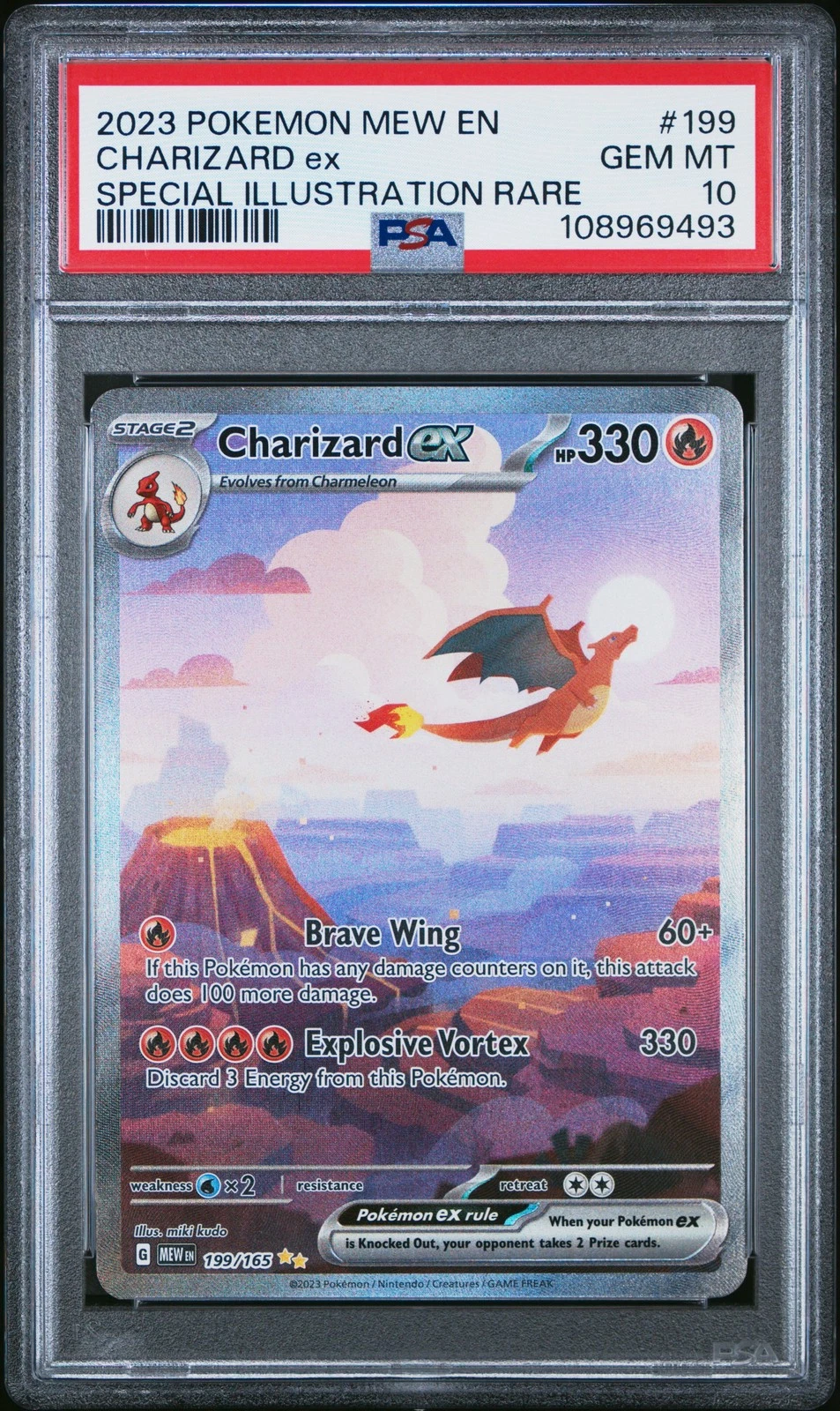
If you want to sell PSA graded Pokémon cards near you in Forest Hills, walk into Sell Your Gadgets Forest Hills on Queens Blvd with your slabs, no appointment needed. We buy PSA, CGC, BGS, and SGC slabs, verify each cert in person, price each one on its own sold comps, and pay cash on the spot with a valid photo ID.
This guide covers how graded slabs get priced, how the four big graders compare for a seller, what to do with a cracked case, and whether selling locally beats listing online, going to a card show, or consigning. Nothing here is a price promise. Slab values move with the market, so the only real number is a free quote on your specific cards.
How we buy graded Pokémon at the Forest Hills store
The process is simple on purpose. You bring the cards in, a buyer looks at each slab, and you get an offer. If you like it, you get paid cash right there. There is no appointment, no shipping, and no waiting on a marketplace buyer to open a package.
- Walk in: no appointment, during normal store hours.
- Card-by-card pricing: our buyers use internal pricing tools that pull live sold comps for each card. We never use a flat rate for slabs.
- Verification in store: we check the cert number and the holder itself before we make an offer.
- All four major graders: PSA, CGC, BGS, and SGC are all bought, and each is priced on its own comps.
- Cash on the spot: valid government photo ID is required for every sale, which is the standard secondhand-dealer rule.
We also buy raw Pokémon singles, sealed product, other trading card games (Magic, Yu-Gi-Oh!, One Piece, Lorcana), and sports cards. If you are sorting through a mixed pile, our page on selling Pokémon cards and collectibles explains how the rest of the buying works.
How graded slabs are priced: card, set, grade, and grader
A graded card is not priced as a Pokémon card with a grade bonus. It is priced as a specific item, and four details define it.
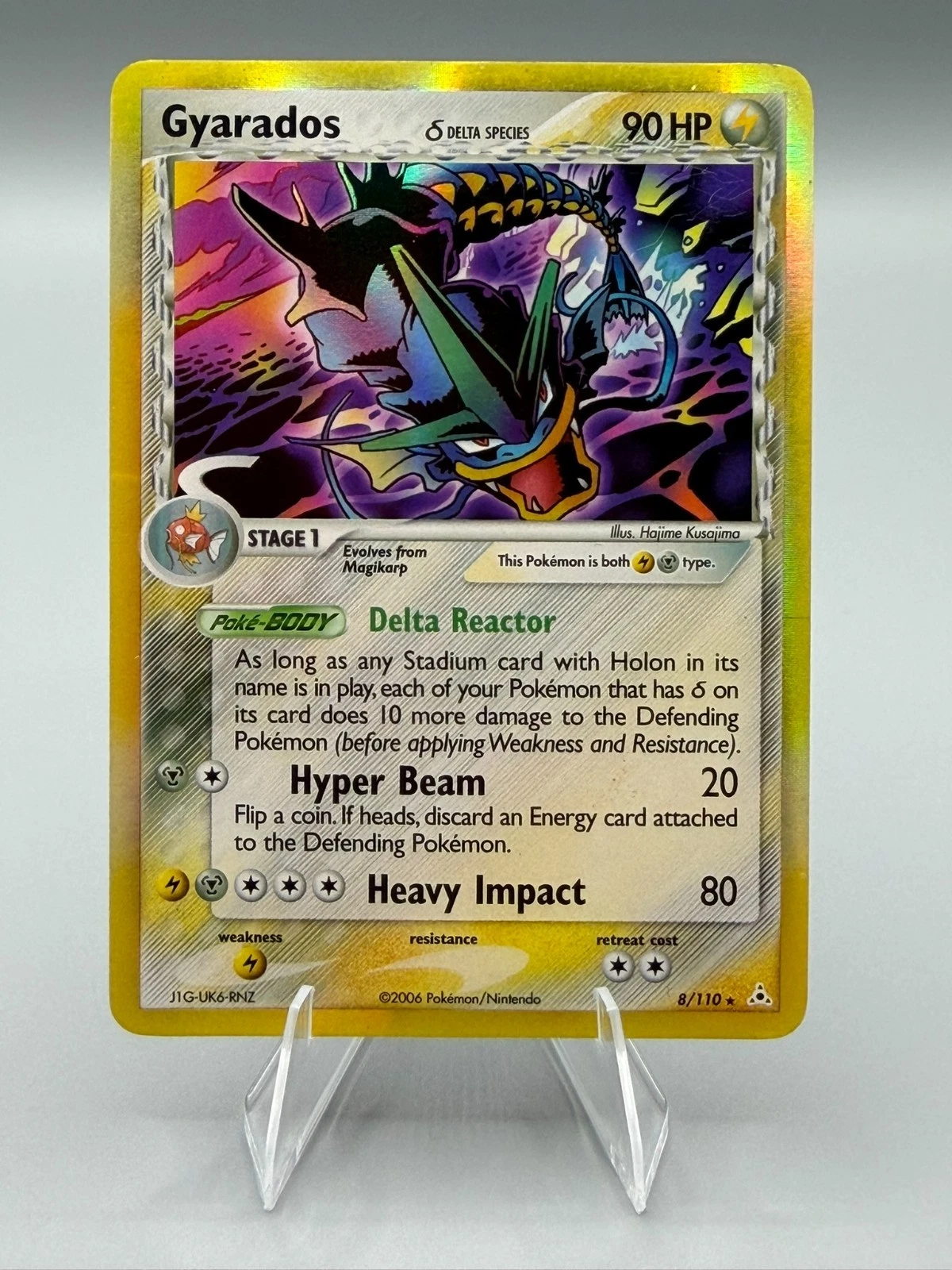
- The exact card: the character, the card number, and the artwork. A card from a famous set can sit in a very different place than a common card from the same set.
- The set and print: English or Japanese, first edition or unlimited, holo or non-holo, and any stamps or variants. These change what the card compares to.
- The grade: the gap between neighboring grades can be large. A top-grade copy and a copy one step lower often trade very differently, so we never lump grades together.
- The grader: a PSA 10, a CGC 10, a BGS 10, and an SGC 10 of the same card are not interchangeable in the market. Each has its own sold history, so each gets its own comps.
Our buyers look at what that exact combination has actually sold for recently, not at asking prices and not at a bulk rate. Then they weigh how quickly that slab tends to move, because a slab that sells fast is worth more to a buyer than one that sits. That is why two slabs that look alike can get noticeably different offers.
Why asking prices mislead
Online listings show what sellers hope to get. Sold comps show what buyers paid. A listing with a high asking price that has sat for weeks tells you very little. We anchor on sold data, and we are straightforward about what we see when we explain an offer.
PSA vs CGC vs BGS vs SGC: what matters to a seller
All four are legitimate, well-known grading companies, and we buy all of them. The differences that matter to you are the label, whether subgrades exist, and how deep the resale market is, meaning how many buyers are looking for that holder and how much sold history exists. The table sticks to widely known facts.
| Grader | Label and holder | Subgrades | Resale depth (general) |
|---|---|---|---|
| PSA | Hard plastic slab with a prominent label showing the grade and cert number | Single overall grade, no subgrades on the label | Generally the deepest market, with the most sold history for Pokémon |
| CGC | Clear, modern-looking slab with a clean label and a cert number | Offers subgrades on certain services, shown on the label | A growing market with solid demand, usually thinner than PSA |
| BGS (Beckett) | Thick slab with a label that lists four subgrades | Centering, corners, edges, and surface are all shown | Strong at the top end, especially for the highest grades, with a narrower buyer pool overall |
| SGC | Slab with a distinctive dark-bordered insert and label | Single overall grade | Established in vintage and sports cards, with Pokémon demand that has grown |
What this means when you sell
Deeper resale depth usually means easier, more predictable pricing. That does not make the others worse cards or worse holders. It means the buyer has to think harder about how long a slab may take to resell, and that can show up in the offer. BGS subgrades can help you when the numbers are strong, since a clean set of subgrades is easy to justify. A free quote is the quickest way to see how a particular slab lands.
Cert verification: in store, and how to check your own first
Every slab has a cert number on the label. Each of the four graders runs a public cert lookup on its website where you can enter that number and see what the company has on record for it.
What we check in store
- The cert number on the label matches the card details and grade on record for that cert.
- The holder looks right: the case is intact, the label is correct, and nothing suggests tampering or a counterfeit slab.
- The card inside matches the label: the right card, the right set, and no signs it was swapped.
This is routine for us, and it protects you as much as us. A verified slab is easier to price with confidence.
How to check your own cert before visiting
- Find the cert number printed on the label of your slab.
- Go to the grader's official website and use its cert lookup, then enter the number.
- Compare what comes up with what is in your hands: card name, set, grade, and year if listed.
- Note anything that looks off. A mismatch is worth knowing before you visit, and we will look at it with you.
A few minutes of lookup also tells you what the grader itself recorded, which helps when you compare notes with our buyer. Prefer to start from home? Send details through the free quote form and we will respond before you make the trip.
Cracked holders, crossovers, and resubmission
Slabs get damaged, and sellers sometimes wonder whether a fix or a re-grade would help. Here is how we think about each.
Cracked or scratched holders
A scratched case is cosmetic and often has a modest effect, though a heavily scuffed case can be noticed by collectors who care about presentation. A cracked or broken case is a bigger deal because it can raise questions about the card's protection and the slab's integrity. Both can lower an offer relative to a clean slab of the same card, and the effect varies by how rare and valuable the card is. Bring it in and let the buyer inspect it. Please do not try to repair the case yourself, since attempts like gluing or opening it can make things worse.
Crossover
A crossover means sending a graded card to a different company to be placed in its holder, hoping to keep or improve the grade. It can make sense when a card is in a holder with a thinner market and you believe it would get the same or better grade elsewhere. It also carries risk: the new company may grade it lower, and you pay fees and wait. For many sellers, the easier path is to sell the slab as it is.
Resubmission
Resubmitting a card for a higher grade is a gamble. The same card can come back with the same grade, a better one, or sometimes a lower one. It can be worth considering for a card that is clearly undergraded, but it takes time and costs money. If you need cash soon, or the potential gain is small, selling now often wins.
When to skip all of it
If the card is already in a strong grade from a reputable grader, leave it alone. If a slab is damaged, ask for a quote first so you know how much the damage actually matters before spending money on a fix.
Selling one slab vs a graded collection
One slab is a quick conversation. We verify the cert, check the comps, and give you an offer. Many people walk in with just one or two chase cards, and that works fine.
A collection takes more organization. Slabs from different graders are priced on their own comps, so we work through them one at a time. A few things help:
- Sort by grader, or by set, before you arrive.
- Bring a simple list if you have one, though it is not required.
- Decide ahead of time whether you will sell everything or keep some cards. You are never obligated to accept an offer on any piece.
- Keep the slabs in a rigid box or case so they do not scratch in transit.
For a large lot, expect a bit more time at the counter. The tradeoff is that you leave with one clear cash total instead of managing a dozen separate sales. If you have rare or sought-after chase cards in the mix, see our page on selling rare and famous Pokémon cards. For graded cards in general, our graded Pokémon selling page has more detail.
Local sale vs online, card shows, and consignment
There is no single best route. It depends on how much you value speed, certainty, and effort. Here is how the main options compare.
| Option | Speed | Effort and risk | Best for |
|---|---|---|---|
| Sell locally in store | Same visit, cash on the spot | Low effort. No shipping, no disputes, no waiting on a buyer | People who want certainty and a quick, clean sale |
| Online marketplace | Depends on when a buyer shows up | Photos, listings, fees, shipping, and potential returns or disputes | Sellers willing to do the work and wait for a specific buyer |
| Card show | Limited to show dates | Table or travel costs, time spent, and a lot of haggling | Sellers who enjoy the scene and have time |
| Consignment | Slowest, since you are paid after it sells | Low effort but your card may sit, and a share goes to the consignor | Patient sellers with high-end slabs |
Selling to a store means we are buying for resale, so the offer will naturally sit below what an end buyer might pay on a lucky day. In return, you skip fees, shipping, scams, and the wait. If you are in no rush and enjoy the process, selling directly to a collector can sometimes bring a higher result. If you want it done today, local is hard to beat. Whichever way you lean, a free quote costs nothing and gives you a baseline to compare against.
What to bring when you walk in
- Valid government photo ID: required for every sale.
- Your slabs: in a protective case or box, with nothing loose.
- Any extras: receipts, grading invoices, or cert printouts if you have them, although they are not required.
- Other cards: raw singles, sealed product, and other TCGs or sports cards. We look at those too.
For sealed product, our buyers inspect the shrink-wrap, seams, and weight in person to rule out resealing. For raw cards, notable singles are priced one by one, and true bulk is priced by the lot. Our store is mainly a buyback shop for electronics too, so if you have a console, camera, or laptop that is sitting around, ask us about it during the same visit. All our New York locations work on the same cash buyback model.
Selling graded Pokémon from nearby towns
We are on Queens Blvd near 77 Av in Forest Hills. People come from across Queens, Brooklyn, Manhattan, and Nassau County to sell with us. A few notes by area:
Bayside
If you are coming from Bayside, you are crossing Queens from the northeast, so plan around traffic on the main roads. Bring your slabs in a firm case and your photo ID, and you can finish in one stop. Walk-ins are welcome during store hours.
Little Neck
Little Neck sellers are coming from the far eastern edge of Queens, near the Nassau County line. It is a real trip, so it helps to send details through our quote form first and confirm we are interested in your cards before you set out. Then bring everything in one visit.
Elmont
Elmont sits just across the city line in Nassau County. If you are driving in, check traffic on your route and leave extra time. Collections from Long Island are common for us, and a single trip lets you sell the lot in one go.
Starrett City
Starrett City is in Brooklyn, so you will be traveling a good distance to reach Forest Hills. Pack your slabs carefully so they do not get scratched on public transit or in the car. Request a free quote beforehand so you know what to expect.
New York
Coming from Manhattan or elsewhere in New York City, Forest Hills is reachable by subway along the Queens Blvd corridor, and our store is on Queens Blvd. Carry your slabs in a padded bag, not loose in a pocket. Our Forest Hills store page has the address and hours for planning your trip.
Flushing
Flushing sellers come from a busy part of Queens with plenty of collectors. Bring your cards, your ID, and any extra TCG or sports cards you would like us to look at. We work through everything in one visit so you only make one trip.
Frequently asked questions
Where can I sell PSA graded Pokémon cards near me?
You can walk into Sell Your Gadgets in Forest Hills with your PSA slabs, no appointment needed. We verify the cert, price the card from sold comps for that exact card and grade, and pay cash on the spot with valid photo ID.
Do you buy CGC and BGS slabs as well as PSA?
Yes. We buy PSA, CGC, BGS, and SGC graded cards. Each one is priced on its own comps for that grader, so a CGC or BGS slab is not simply priced like a PSA one.
Who buys PSA cards near me if I do not want to list online?
A local buyback store like ours is built for exactly that. You skip photos, listings, fees, and shipping, and you get an offer in person. The tradeoff is that a store offer is a resale-minded offer, while an online sale can take longer and carry more hassle.
Can I sell a graded card if the case is cracked?
Yes, you can bring it in and we will inspect it. A cracked case can lower the offer compared with a clean slab, and how much depends on the card. Do not try to repair it yourself first.
Do you give a flat rate for graded cards?
No. Slabs are priced one by one using live sold comps for the exact card, set, grade, and grader. We do not use a flat bulk rate, and we do not publish prices, so a free quote is how you find out what your card is worth to us.
Do I need an appointment?
No. Walk in during store hours. For a large collection, sending details through the quote form first can speed things up, but it is not required.
What ID do I need?
A valid government-issued photo ID is required for every sale. It is the standard rule for secondhand dealers.
Ready to sell?
Get a free cash quote or just bring your slabs to Sell Your Gadgets Forest Hills at 116-01 Queens Blvd, Forest Hills, NY 11375. We are open Monday through Friday 10:00 AM to 7:00 PM, Saturday 10:00 AM to 5:00 PM, and Sunday 11:00 AM to 5:00 PM. Call (347) 960-7030 with questions, and remember to bring your photo ID.
Hear from a real customer
Why they chose Sell Your Gadgets. Working or broken, get a free quote and walk out with cash the same day.
Compare your options
See how selling to us stacks up against other ways to sell, side by side.