Sell PSA Graded Pokémon Cards Near Me in Houston, TX
By syedladen ·
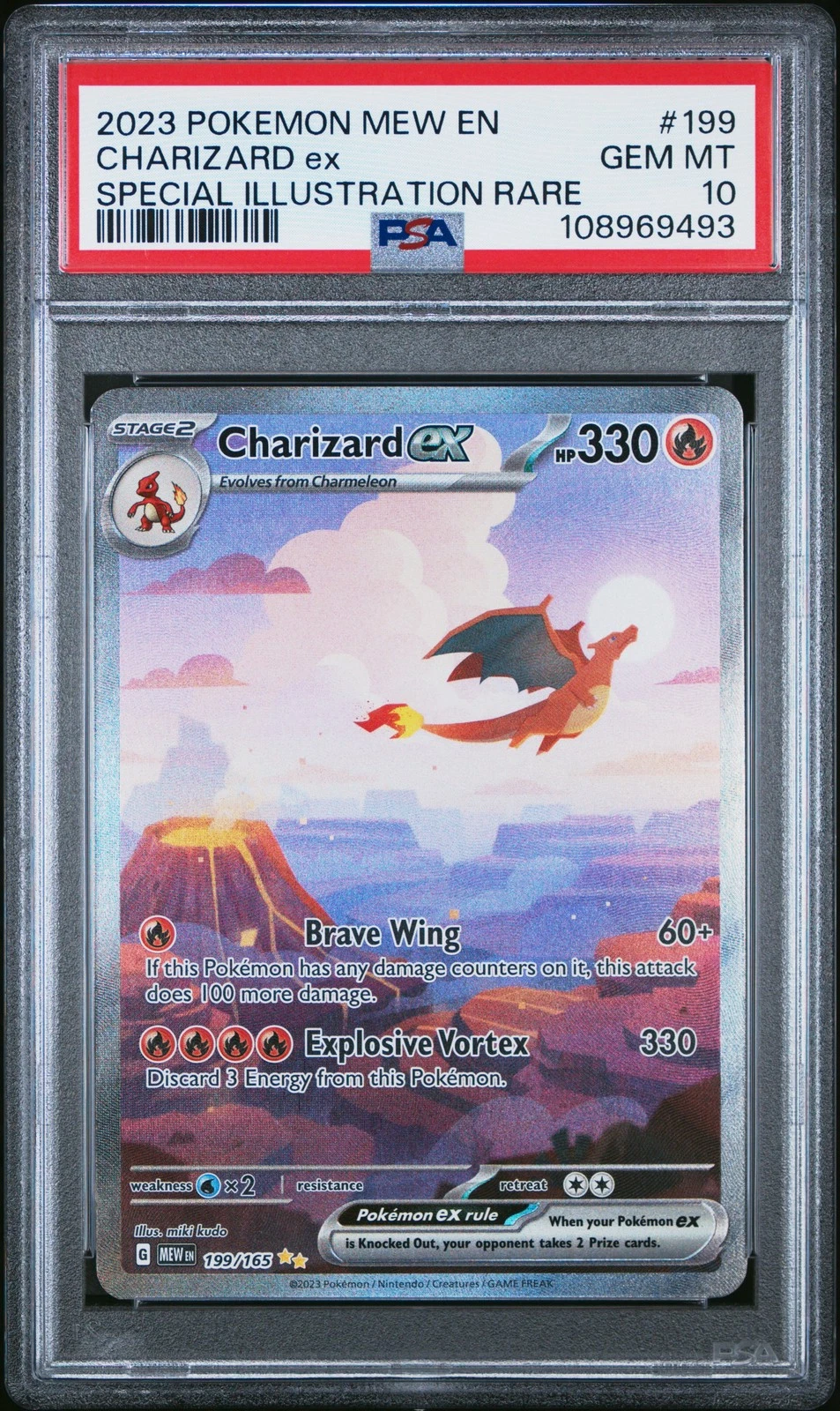
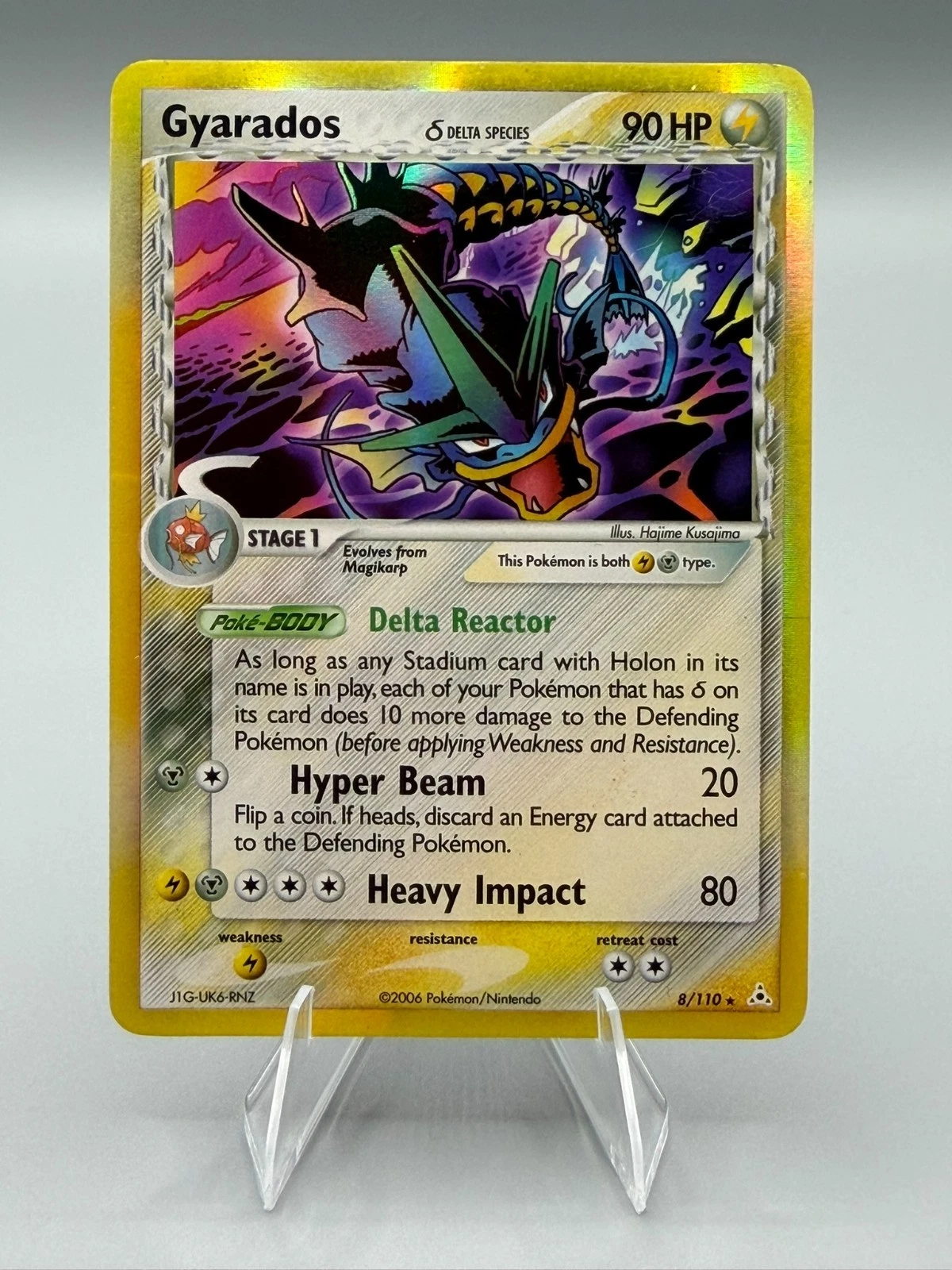
If you want to sell PSA graded Pokémon cards near you in Houston, walk into Sell Your Gadgets Houston with your slabs and a valid photo ID; no appointment is needed and cash is paid on the spot. We also buy CGC, BGS, and SGC slabs, and each one is priced on its own sold comps rather than a flat rate.
This guide explains how graded slabs get priced, how the four big graders compare for a seller, how cert verification works, what to do with damaged holders, and when selling locally beats listing online or waiting for a card show.
How we buy graded Pokémon slabs at the Houston store
The process is deliberately simple. You bring the cards to our Houston store, a buyer looks at each slab, and you get an offer you can accept or decline. There is no appointment, no listing to write, and no waiting on a stranger to pay you. If you prefer to know roughly where you stand first, you can request a free quote online or by text before you drive over.
Here is what happens at the counter:
- The buyer checks the holder for authenticity, condition, and any signs of tampering.
- The cert number and the grader are verified in store.
- The exact card, set, grade, and grader are looked up in our internal pricing tools, which pull live sold comps card by card.
- You get an offer. If you accept, we pay cash on the spot after checking your valid government photo ID.
Photo ID is required for every sale. That is the standard secondhand-dealer rule, and it applies to cards just as it does to phones and consoles.
How graded Pokémon slabs are priced
A graded slab is not a generic collectible. Two cards of the same character can sit worlds apart in value because the set, the print variant, and the grade all change the market. That is why we never use a flat bulk rate on slabs. Every slab is priced individually.
The four things that define a comp
- Exact card: the specific Pokémon and card number, not just the character name.
- Set: the same artwork can exist across different sets and printings, with very different demand.
- Grade: a 10 and a 9 of the same card often trade far apart, and the gap varies card to card.
- Grader: a PSA 10 and a CGC 10 of the same card are different items in the market, so each is compared against its own sold history.
Our buyers look at what that exact combination has actually sold for recently, not what sellers are asking. Asking prices on listing sites can sit unsold for a long time and tell you very little about what a card is worth.
What can move an offer up or down
Even with the right comps, a few things shape the final number. Recent sales activity matters: a card that sells often is easier to price confidently than one that trades rarely. The condition of the holder matters too, since deep scratches, cracks, or a yellowed label can affect how easily a slab resells. Finally, market movement matters. Pokémon prices shift with new set releases, anime and game events, and collector trends, which is why a quote today is based on today's comps rather than a number you saw months ago.
We do not publish prices, because they change by the card and by the week. The honest way to find out is a free quote with the cert number or a clear photo of the slab.
PSA vs CGC vs BGS vs SGC: what sellers should know
All four graders are bought here, and each gets priced on its own comps. From a seller's perspective, the main differences are label style, whether subgrades are reported, and how deep the resale market is. This table sticks to widely known facts and general market patterns.
| Grader | Label and holder | Subgrades | Resale depth (general pattern) |
|---|---|---|---|
| PSA | Red and white label, widely recognized slab | Not shown on a standard label; single overall grade | Typically the deepest market for modern and vintage Pokémon; the most buyers recognize it |
| CGC | Clean, clear label with a distinct holder style | Subgrades are reported on many cards through its report and label options | Growing steadily in Pokémon; generally narrower than PSA but well accepted |
| BGS (Beckett) | Thick holder with a label that lists subgrades | Four subgrades: centering, corners, edges, surface | Strong for the very top grades, especially those with strong subgrades; thinner for mid grades |
| SGC | Black-style holder with a clean label | Single overall grade on standard labels | Well regarded, especially for vintage and sports; Pokémon demand is solid but usually narrower than PSA |
How to read this table as a seller
Resale depth is the practical difference. When more buyers actively search for a grader's slabs, comps are more frequent and prices are easier to defend. That is why the same grade from two graders can price differently. It does not mean one company grades better; it reflects how the market treats the slab. BGS subgrades also change things: a BGS 9.5 with high subgrades can be viewed very differently from one with a weak subgrade, so we look at the label closely.
If you want a longer rundown of the process, our page on selling graded Pokémon cards covers what we look at for each grader.
Cert verification: in store and before you visit
Every grader assigns a certification number to each slab. That number links to a record showing the card, the grade, and sometimes images or population data.
What we do in store
We match the cert number on the label to the grader's record, confirm the card details match what is in the holder, and inspect the holder itself. We are checking that the slab is genuine, that the holder has not been tampered with, and that the card inside is the card the label describes. This takes only a few minutes and protects both of us.
How to look up your own cert first
You can do the same check at home before you come in:
- Find the cert number on the label. It is usually printed clearly on the front, and sometimes also on the back.
- Go to the grader's official website and use its certification lookup. PSA, CGC, BGS, and SGC each offer one.
- Confirm the card name, set, and grade in the record match your label.
- If the grader shows images, compare them to your slab.
If the record does not match or cannot be found, do not worry about bringing it in anyway, but expect us to look carefully. A lookup also gives you the exact card and grade details to use when you get a free quote.
Cracked holders, scratches, crossover, and resubmission
Slabs get damaged, and sellers often wonder whether to fix something before selling. The short answer is that in most cases you should bring it in as it is and let the buyer weigh it.
Scratched or lightly worn holders
Light surface scratches on the case are normal and usually have a modest effect compared with a clean slab. Heavier scratching over the card or label can make a slab harder to resell. Do not try to buff or polish a holder; that can make it worse.
Cracked or damaged holders
A cracked slab is a different situation. Depending on the grader and the severity, the integrity of the encapsulation is compromised, and buyers may price it noticeably lower. Do not open it yourself. If you crack it open, the card loses its verified slab status, and the grade can no longer be confirmed by the case. Bring the slab in with the cert number and we will assess it honestly.
When crossover makes sense
Crossover means cracking a slab from one grader and submitting the card to another, hoping for the same or a better grade. It can make sense when a card sits in a grader that has a thinner market and you believe the card could earn a top grade elsewhere. It carries risk: the card may come back at a lower grade, and you pay fees and wait through turnaround times. For many people the extra effort is not worth it unless the card is genuinely high value and well centered.
When resubmission makes sense
Resubmission means sending a graded card back to the same company for another look. It is usually considered only when you believe the original grade was clearly too low. It is slow and uncertain. If you just want cash now, selling the slab as it is avoids fees, waiting, and the chance of a lower result.
Selling one slab vs a graded collection
One slab is straightforward. The buyer checks the cert, pulls the comps, and you have an offer in a short visit.
A collection works the same way, only each slab is priced individually, not as a lump. That takes a bit longer, so if you have many slabs, consider these tips:
- Sort by grader so cert checks go quickly.
- Write down your own list with card name, set, grade, and cert number.
- Decide ahead of time whether you want to sell everything or only certain cards.
- Bring any raw singles or sealed product as well. Notable raw singles are priced individually, true bulk is priced by the lot, and sealed product is inspected in person for shrink-wrap, seams, and weight to rule out resealing.
We also buy other trading card games, including Magic, Yu-Gi-Oh!, One Piece, and Lorcana, plus sports cards. If your collection is mixed, you can bring it all in one trip. Our Pokémon cards and collectibles page covers the non-graded side, and the page on rare and famous Pokémon cards is useful if you have a standout chase card.
Local sale vs online marketplace, card shows, and consignment
Each route has real trade-offs. There is no single best answer, so match the route to what you value most.
| Option | Upside | Trade-offs |
|---|---|---|
| Local sale (our store) | Fast, cash on the spot, no listing, no shipping, no buyer disputes | A dealer offer is below what a patient retail buyer might pay on a good day |
| Online marketplace | Large audience, can reach collectors who want a specific card | Listing work, marketplace and payment fees, shipping risk, returns and disputes, and waiting for a sale |
| Card shows | Face-to-face negotiation with collectors and dealers | Table fees or travel, time on a show floor, and no guaranteed sale |
| Consignment | Potential for a higher sale on desirable cards | Waiting for the card to sell, a commission cut, and your card is tied up meanwhile |
One of our reviewers put it well: selling here means avoiding the downsides of selling yourself through places like Facebook Marketplace or eBay. That matches what many sellers tell us. If you value your time, certainty, and not meeting strangers, a local sale is often the practical choice. If you have one especially desirable card and plenty of patience, an online listing or consignment may be worth comparing against a quote from us. You are welcome to get our free quote first and decide afterward.
What to bring when you sell graded Pokémon cards
- Your slabs, in a hard case or snug box so holders do not get scratched on the drive.
- A valid government-issued photo ID.
- Your own list of cert numbers, if you made one.
- Any extra items you want to sell, such as raw singles, sealed product, or cards from other games.
If you also have old phones, consoles, tablets, or other electronics sitting in a drawer, bring them along. We buy new, used, and broken devices, and you can see the full range on our Texas locations page.
Selling graded Pokémon cards from nearby Houston neighborhoods
Our store is at 1454 Lockwood Dr Ste B, Houston, TX 77020, in the Fifth Ward and Denver Harbor area, close to Boyce-Dorian Park, Finnigan Park, Selena Quintanilla Perez Park, and Japhet Creek Park. The Fifth Ward/Denver Harbor Transit Center is also nearby if you would rather not drive. Here is how it works for people coming from around the area.
Northside
If you are coming from the Northside, you are a fairly short trip from us. Plan to bring your slabs in a protective case, since there is no need to ship anything. Walk in during store hours and you can leave with cash the same visit.
Trinity / Houston Gardens
Trinity and Houston Gardens sellers can reach us without much trouble using the major roads through northeast Houston. Collectors here often have a mix of older cards and newer slabs, and we are glad to look at both. Bring your cert numbers if you have them so the verification goes smoothly.
Northeast Houston
For people in Northeast Houston, we are a convenient local alternative to shipping cards off to a stranger. Our buyers price each slab from live sold comps, so you see how the offer is built. If you have a larger collection, allow a little extra time for individual pricing.
Pleasantville Area
The Pleasantville Area is a short drive to our store. If you are cleaning out a collection that has been sitting around, bring all of it, including raw singles and sealed product, and we will go through everything in one visit. You can also text or use the online form for a quote first.
Magnolia Park
From Magnolia Park, you can get to us using the main routes across the east side of Houston, including I-10. Many sellers coming from this side bring graded Pokémon along with consoles or other electronics, so you can sell it all in one stop.
South Central Houston
Folks in South Central Houston can come up using the major freeways and Loop 610. It is worth the drive if you want a clear, same-day cash offer on slabs without dealing with online listings. Check the Houston store page for hours and contact details before you head out.
Frequently asked questions
Who buys PSA cards near me in Houston?
We do. Sell Your Gadgets Houston buys PSA graded Pokémon cards, along with CGC, BGS, and SGC slabs. Walk in with the cards and a valid photo ID, no appointment needed, and get paid cash on the spot if you accept the offer.
Can I sell CGC Pokémon cards here, or only PSA?
Yes, CGC slabs are bought here. Each grader is priced on its own sold comps, so a CGC card is compared against CGC sales of the same card, set, and grade rather than being matched to a PSA price.
Do you buy BGS slabs near me, including ones with subgrades?
Yes. BGS slabs are bought, and the subgrades on the label are part of how we look at the card. Strong subgrades on a high grade can matter, so bring the original holder intact.
How much will you pay for my graded Pokémon card?
It depends on the exact card, set, grade, and grader, because we price from live sold comps rather than a flat rate. We do not publish prices publicly. The quickest way to find out is to request a free quote or bring the slab in.
Do I need an appointment to sell Pokémon cards?
No appointment is needed. Just come in during store hours. Every seller needs a valid government photo ID, which is the standard secondhand-dealer requirement.
Should I crack my slab and regrade it before selling?
Usually not, unless you are confident the card would earn a higher grade and you are fine with the fees, the wait, and the risk of a lower result. Cracking a slab removes its verified status. If you want cash now, bring it in as it is.
Do you also buy raw Pokémon cards, sealed product, and other card games?
Yes. Notable raw singles are priced individually, and true bulk is priced by the lot. Sealed product is inspected in person for shrink-wrap, seams, and weight. We also buy Magic, Yu-Gi-Oh!, One Piece, Lorcana, and sports cards.
Ready to sell? Get a free quote or stop by the Sell Your Gadgets Houston store at 1454 Lockwood Dr Ste B, Houston, TX 77020. We are open Monday through Saturday from 10:00 AM to 7:00 PM and Sunday from 11:00 AM to 5:00 PM. You can also call (281) 768-9815.
Hear from a real customer
Why they chose Sell Your Gadgets. Working or broken, get a free quote and walk out with cash the same day.
Compare your options
See how selling to us stacks up against other ways to sell, side by side.