Sell PSA Graded Pokémon Cards Near Me in Staten Island, NY
By syedladen ·
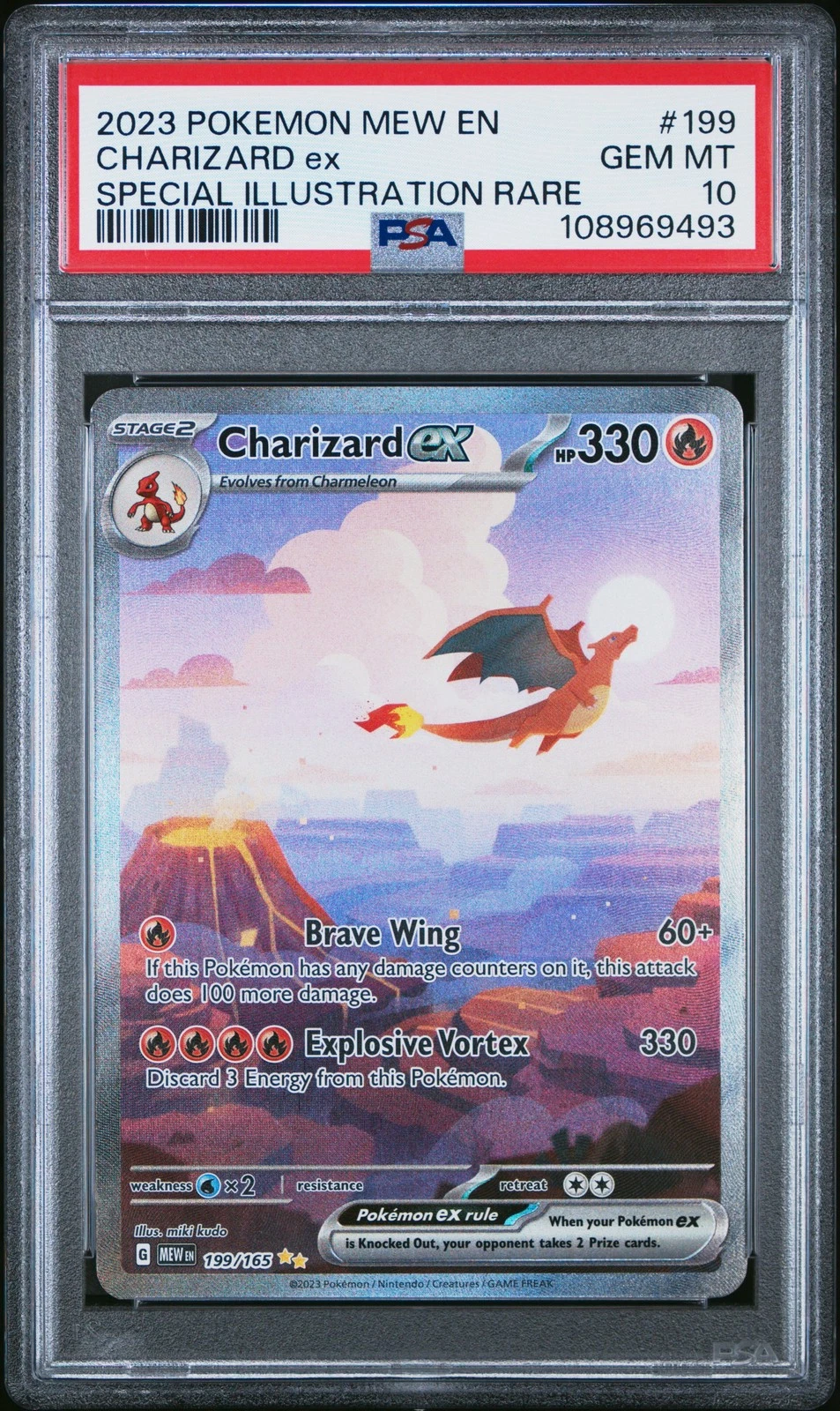
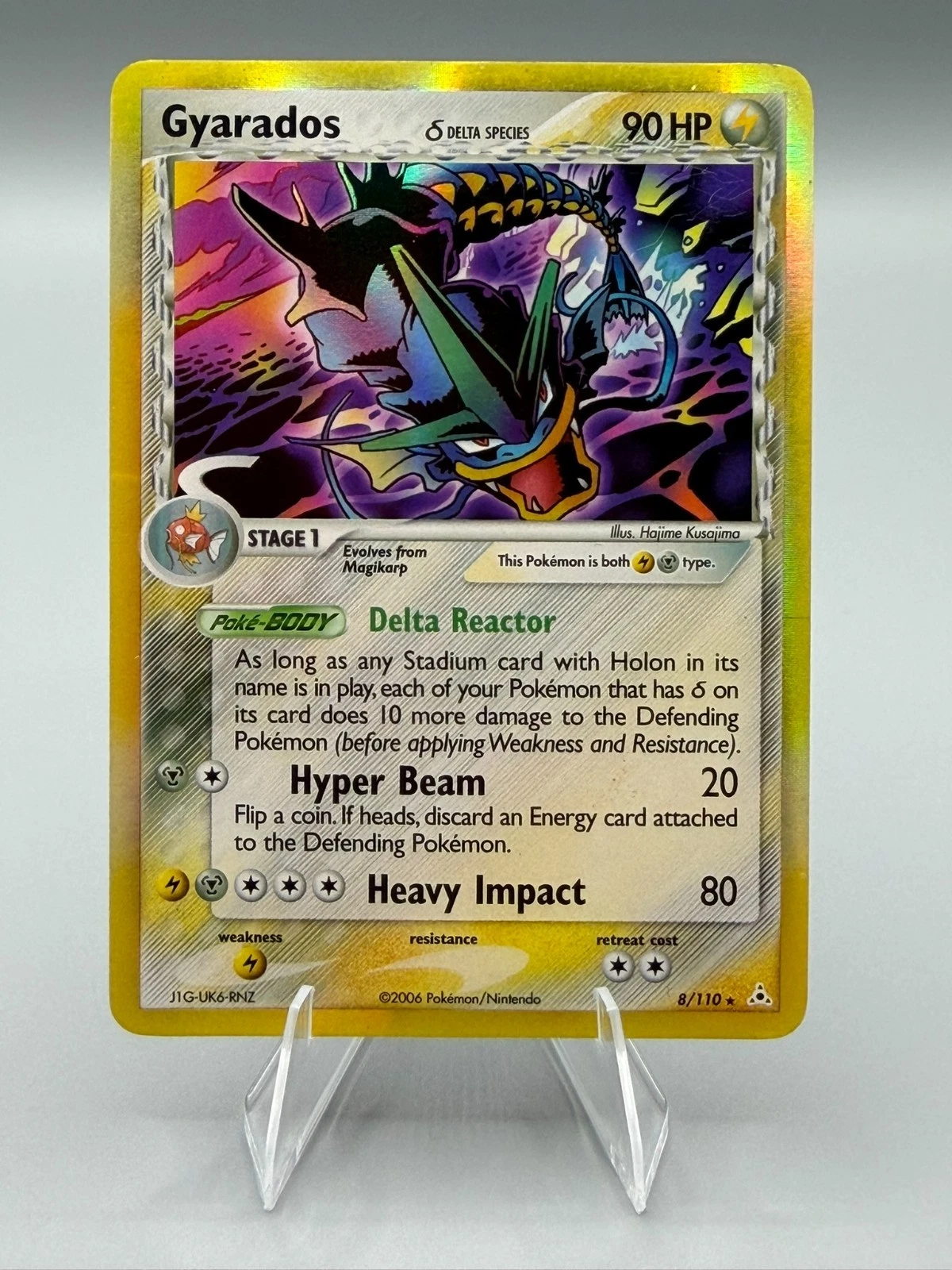
If you want to sell PSA graded Pokémon cards near you in Staten Island, walk into Sell Your Gadgets at 1440 Forest Ave #7 with the slabs and a valid photo ID, and a buyer will price each one against live sold comps and pay cash on the spot. No appointment is needed, and PSA, CGC, BGS, and SGC slabs are all bought and each is priced on its own comps.
Who buys PSA cards near me in Staten Island?
If you have searched who buys PSA cards near me, you have probably run into the usual options: a local card shop that mostly wants store credit, an online marketplace where you do all the work, or a card show that only happens on certain weekends. Our Staten Island store is a buyback shop, which means we pay cash for what you bring in. We do not sell devices or cards over a counter, so there is no retail shelf we are trying to protect with a low offer.
We buy graded slabs from all four major companies, plus raw Pokémon singles, sealed product, other trading card games (Magic, Yu-Gi-Oh!, One Piece, Lorcana), and sports cards. The process is simple: bring the cards in, a buyer looks at each slab, the cert is verified, and you get an offer. If you accept, you are paid cash on the spot. If you would rather see a number first, you can request a free quote before you come in.
We also buy phones, laptops, consoles, and other electronics, so if you are clearing out a closet and have both a binder of slabs and an old device or two, you can handle both in one trip. Our Staten Island electronics page covers that side.
How graded Pokémon slabs are priced
A graded card is not priced like a generic collectible. The same character can be worth wildly different amounts depending on the set, the printing, and the grade. That is why we never use a flat rate or a percentage-of-book shortcut. Our buyers use internal pricing tools that pull live sold comps card by card.
The four things that set the comp
- Exact card: the specific character and card number, not just 'a Charizard.'
- Set and printing: base set versus a modern reprint, first edition versus unlimited, holo versus reverse holo, Japanese versus English.
- Grade: a 10 and a 9 of the same card can sit far apart, and the gap is different for every card.
- Grader: a PSA 10 and a CGC 10 of the same card do not necessarily sell for the same amount, so each is compared to sales of its own kind.
What 'sold comps' means and why it matters
Asking prices on listings tell you what sellers hope for, not what buyers actually paid. Sold comps are completed sales. A buyer who prices from sold comps is anchoring to what the market has really done recently, which is more honest for both sides. It also means the offer can move with the market. A card that has been hot may come in noticeably higher than you expected, and one that has cooled may come in lower. We would rather tell you that plainly than quote a number that falls apart at the counter.
What pushes a slab's value up or down
- Popularity of the character and the set.
- How many copies exist at that grade, which is the population count the grading companies publish.
- Recent sales volume, because cards that trade often are easier to price with confidence.
- Label type and holder condition.
- Eye appeal within the grade, since two cards with the same number can look different in hand.
We do not publish dollar figures, because they would be stale quickly and misleading for your specific card. The way to see what yours is worth is a free quote or a walk-in.
PSA vs CGC vs BGS vs SGC: what sellers should know
All four graders are accepted here, but they are not interchangeable on the resale side. If you are searching for how to sell CGC Pokémon cards or how to sell BGS slabs near me, this comparison covers what affects your offer. It uses only widely known public facts about each company.
| Grader | Label and holder | Subgrades | Resale depth for Pokémon |
|---|---|---|---|
| PSA | Red and white label, clear hard case, numeric grade from 1 to 10 | Not shown on the standard label | Deepest. Most recognized by collectors and buyers, so comps are plentiful |
| CGC | Clean label, clear holder, entered trading cards after years grading comics | Subgrades offered on some cards and services; Pristine 10 is a distinct top tier | Growing and solid, though comps are generally thinner than PSA for many cards |
| BGS (Beckett) | Thick holder with a label showing four subgrades | Centering, corners, edges, and surface, with the Black Label as the famous top tier | Strong at the very top grades, thinner at lower grades |
| SGC | Black 'tuxedo' style holder with a clean look | Generally a single overall grade | Well regarded, especially for vintage and sports; typically narrower pool of Pokémon comps than PSA |
Reading the table as a seller
Resale depth is mostly about how many buyers are looking and how many comparable sales exist. PSA slabs tend to be the easiest to price and move, which often means a smoother, more confident offer. That does not mean the others are worth less in general. A BGS card with strong subgrades or a top-tier label can command real attention, and a CGC or SGC slab of a sought-after card is still a sought-after card. The point is that each one is priced against its own sales history, not converted from a PSA number.
How cert verification works in store, and how to check yours first
Every slab has a certification number printed on the label. We verify it in store and check it against the holder itself. The buyer compares the number on the label with the grader's records, looks at the card within the case, and inspects the holder for signs of tampering or damage. This protects you as much as us, because it makes the sale clean and documented.
Look up your own cert before visiting
You can do the same check at home in a couple of minutes:
- Find the cert number on the label. It is a printed number, and some labels also carry a barcode or QR code.
- Go to the grader's own website (PSA, CGC, Beckett, or SGC each has a cert lookup tool) and enter the number.
- Confirm that the card name, set, year, and grade shown online match the label in your hand.
- Note the population count if it is shown, because it helps you understand how common your grade is.
If the details do not match what is on the slab, bring it in anyway and ask. There is often a simple explanation, such as a typo on a label or a record that lists the card differently, but it is better to know before you sell than after.
Cracked holders, scratches, crossovers, and resubmission
Scratched or lightly worn holders
Scuffs on the plastic are common, especially on cards that have been traded or stored loose. Light surface scratches on the case usually have less effect than people fear, since the grade is on the card, not the plastic. Deep gouges, clouding, or cracks that expose the card are a different story. Expect the offer to reflect holder condition, because the next buyer will see it too.
Cracked cases
A cracked slab raises two questions: has the card been damaged, and could the holder have been opened and resealed? A buyer will inspect carefully. A cracked case with a verified cert and an intact card can still be sold, but it will usually be priced below a clean one, and it may be worth thinking about reholdering through the grader if the card is valuable.
Crossover
Crossover means cracking a slab from one company and submitting the card to another in hopes of a particular grade or label. It can make sense when a card is clearly stronger than its current grade, or when a different grader's market is deeper for that card. It is a gamble, though. The card can come back with the same grade, a lower one, or a different result because graders judge differently. Fees and waiting time also apply. If you are mainly after cash now, crossover usually does not make sense. If you plan to hold a high-end card for the long term, it may be worth researching.
Resubmission
Resubmitting a card to the same company, hoping for a higher grade, carries similar risk. It tends to work best for cards that are close to the next grade up and for cards where that jump moves the value meaningfully. For most sellers who just want to cash out, the most practical move is to sell the slab as it is. A buyer can tell you whether the upside justifies the wait and cost.
One slab or a whole graded collection
Selling one slab is quick: verify, compare to comps, make an offer. A larger graded collection takes more time, and each slab is still priced individually. We do not average the lot or apply one blanket rate across it.
Tips for bringing in a collection
- Sort by grader if you can, since that speeds up verification.
- Keep a list of cert numbers, which makes lookups faster.
- Bring every slab you are considering selling so the buyer can see the whole picture.
- Pull aside any card you truly want to keep before you come in, so there is no pressure at the counter.
For rarer or more famous cards, you may want to read our guide on selling rare and famous Pokémon cards. If you have a mix of graded slabs, raw cards, and sealed product, our page on selling Pokémon cards and collectibles explains how each part is handled. Notable raw singles are priced individually, and true bulk is priced by the lot. For sealed product, we inspect the shrink-wrap, seams, and weight in person to rule out resealing.
Local sale vs online marketplace, card shows, and consignment
There is no single best route. It depends on how much time you have and how much work you want to do. Here is an honest look at each.
| Route | Speed | Effort | Main trade-off |
|---|---|---|---|
| Local buyback (walk in) | Same day, cash on the spot | Low | Offer reflects a buyer's margin, in exchange for certainty and no waiting |
| Online marketplace | Days to weeks | High: photos, listings, shipping, messages | Potentially a higher sale price, but with fees, buyer disputes, and shipping risk |
| Card show | Depends on the event date | Medium: travel, table or walking dealer to dealer | Good for face-to-face haggling, but offers vary table to table and you may not find the right buyer |
| Consignment | Slowest: you wait for it to sell | Low to medium | Can suit high-end cards, but you pay a cut and your money is tied up |
Where a local sale makes the most sense
If you want cash today, do not want to ship an expensive card to a stranger, or are selling a pile of slabs and do not want to list each one, selling locally is hard to beat. If you are patient, willing to deal with listings and shipping, and have one standout card, an online sale could net more. Neither is wrong. The honest approach is to get a free quote here, then compare it against what you would realistically net after fees, shipping, and time.
What to bring and how the visit works
- Bring the slabs. Keep them in a case or sleeves so the holders do not pick up new scratches on the way.
- Bring valid government photo ID. It is required for every sale, as a standard secondhand-dealer rule.
- Walk in. No appointment is needed.
- Get your offer. The buyer verifies certs and prices each slab on its own comps.
- Get paid. If you accept, you receive cash on the spot.
Customers regularly mention that the team is patient, straightforward, and walks them through what is happening at each step. Our Google rating is 4.8 from 125 reviews. If you have questions about how an offer was reached, ask. Explaining the comps is part of the job.
Selling from nearby towns
We see people from across Staten Island and from New Jersey. Here is how it tends to work from each area. Directions are general, so check your own route before heading out.
Elizabeth
Elizabeth is a short trip across the Goethals Bridge from Staten Island's North Shore. Once you are over, Forest Ave is a major road and the store is at 1440 Forest Ave #7. Bring your slabs, your cert numbers if you have them, and photo ID. It is a practical way to skip shipping and online fees.
New Brighton
New Brighton is on the North Shore, so the store is close for most residents there. Forest Ave is a main road in this part of the island, which makes getting here simple by car or bus. Neighbors often stop in with a few slabs and leave with cash the same day.
Silver Lake
Silver Lake is right in the central North Shore area, and Forest Ave is an easy cross-island option from there. If you are bringing a collection, you can come at a quieter time of day and take your time going through each slab with the buyer.
Todt Hill
Todt Hill sits in the middle of the island, and getting to the store usually means heading down toward the North Shore and Forest Ave. If you have higher-end slabs from a long-held collection, bring them along with any records you have for them, since good documentation helps the cert check go smoothly.
Newark
From Newark, plan on a drive that takes you toward Staten Island by way of the Goethals Bridge. Because you are making a special trip, consider requesting a free quote first so you know what to expect, then bring everything you want to sell in one go.
Bayonne
Bayonne connects to Staten Island by the Bayonne Bridge, so the store is a straightforward trip for sellers there. Our store page has the address and hours. Bring your graded slabs, any other trading cards, and ID, and you can finish the whole sale in a single visit.
Frequently asked questions
Do I need an appointment to sell graded Pokémon cards?
No. Walk in during store hours with your slabs and a valid government photo ID. A free quote beforehand is optional.
Do you only buy PSA slabs?
No. PSA, CGC, BGS, and SGC slabs are all bought, and each is priced on comps for that specific grader, grade, card, and set. You can read more on our page about selling graded Pokémon cards.
Will you give me a flat rate for my whole collection?
No. Graded cards are priced one by one using live sold comps. Raw bulk is the exception, since true bulk is priced by the lot, while notable raw singles are still priced individually.
Can I sell a cracked or scratched slab?
Usually yes. Light scratches matter less than cracks or signs the holder was opened. The buyer inspects the case and verifies the cert, and the offer reflects the condition of the holder.
Should I crack my slab and resubmit it before selling?
For most people who want cash now, no. Resubmission and crossover involve fees, waiting, and the chance of a worse result. They are mainly worth considering for cards you plan to hold and that look clearly under-graded.
Do you buy sealed Pokémon product and other card games?
Yes. We inspect shrink-wrap, seams, and weight in person to rule out resealing. We also buy Magic, Yu-Gi-Oh!, One Piece, Lorcana, and sports cards.
How do I know what my slab is worth before I come in?
Check your cert on the grader's website to confirm the details, then request a free quote. We do not publish prices because the value depends on the exact card, grade, grader, and current sold comps.
Ready to sell? Get a free quote or just bring your slabs to Sell Your Gadgets Staten Island at 1440 Forest Ave #7, Staten Island, NY 10302. We are open Monday through Saturday from 10:00 AM to 7:00 PM and Sunday from 11:00 AM to 6:00 PM. Call (718) 255-4072 with questions, and check the store page for details. Remember your valid photo ID and you can walk out with cash on the spot.
Hear from a real customer
A real customer on their experience. Working or broken, get a free quote and walk out with cash the same day.
Compare your options
See how selling to us stacks up against other ways to sell, side by side.