Sell PSA Graded Pokémon Cards Near Me in Trenton, NJ
By syedladen ·
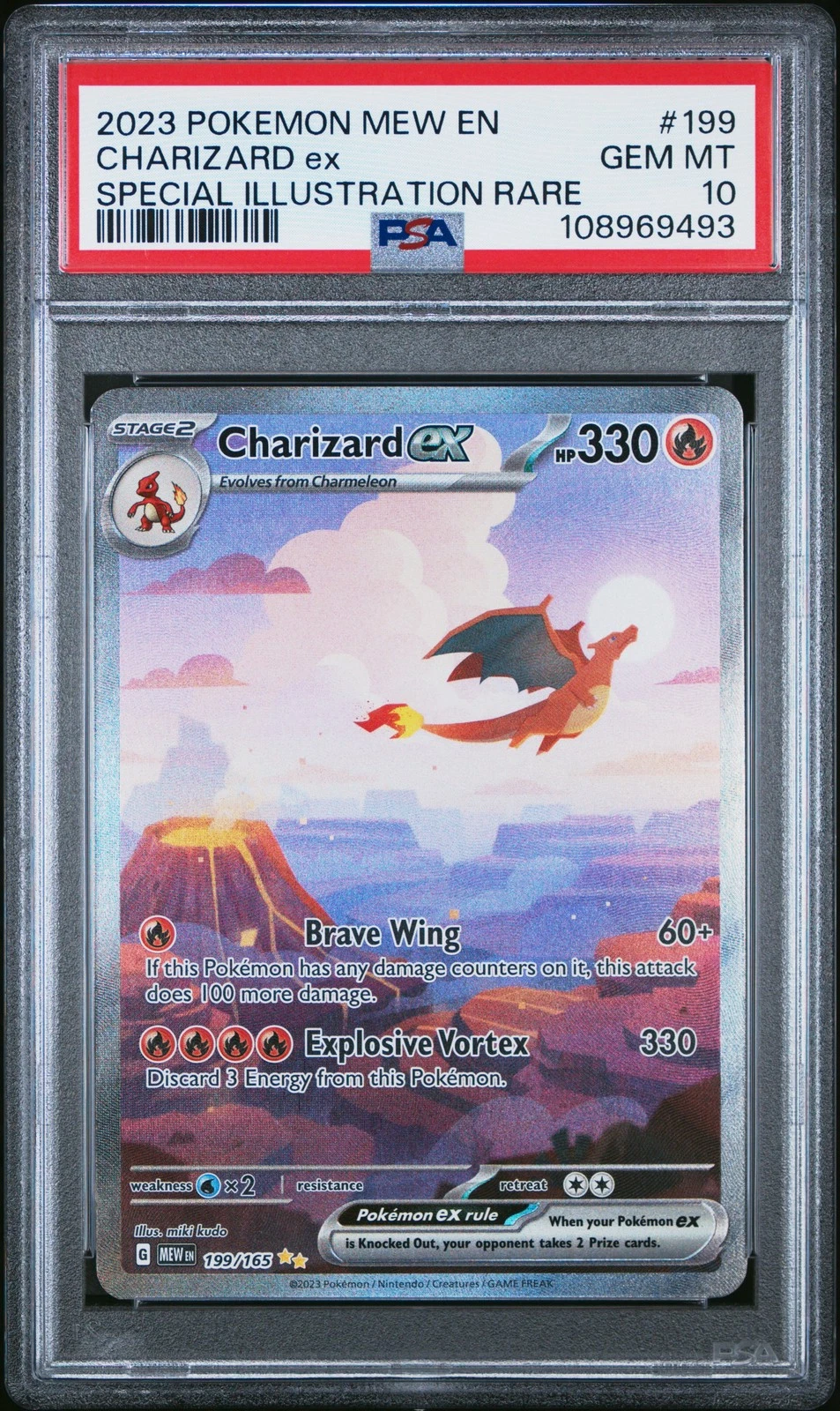
If you want to sell PSA graded Pokémon cards near you in Trenton, NJ, walk into Sell Your Gadgets Trenton with your slabs and valid photo ID. We verify each cert, price each slab from its own sold comps, and pay cash on the spot. The same goes for CGC, BGS and SGC slabs, and no appointment is needed.
What to bring and what happens at the counter
Bring the slabs, a government photo ID, and any paperwork you kept, such as submission receipts or old purchase records. None of it is required, but it helps. Put slabs in a top loader, a sleeve, or a proper graded-card box so the holders do not rattle against each other on the drive over.
At the counter, a buyer looks over each holder, checks the cert number against the grader's records, and pulls current sold comps for each card. You get an offer slab by slab, and if it works for you, you are paid cash right there. If you would rather get a feel for things first, you can request a free quote before you come in. You can also read our overview page on how we buy graded Pokémon cards.
No appointment, no mail-in wait
There is no booking and no shipping label. You do not have to wait for a box to arrive somewhere, sit through a review queue, or wonder whether a package is lost. You see the buyer check your cards, you hear the reasoning, and you decide on the spot.
How graded slabs are priced
We do not use a flat rate for slabs. A buyer cannot price a graded card from a general idea of what Pokémon cards are worth, because two slabs of the same character can sit in very different places. Our buyers use internal pricing tools that pull live sold comps, card by card.
Four things set the number
- The exact card: the character, the variant, and whether it is a holo, a reverse holo, a promo, a first edition, or a modern full art.
- The set: the same Pokémon can appear in several sets and print runs, and the market treats them differently.
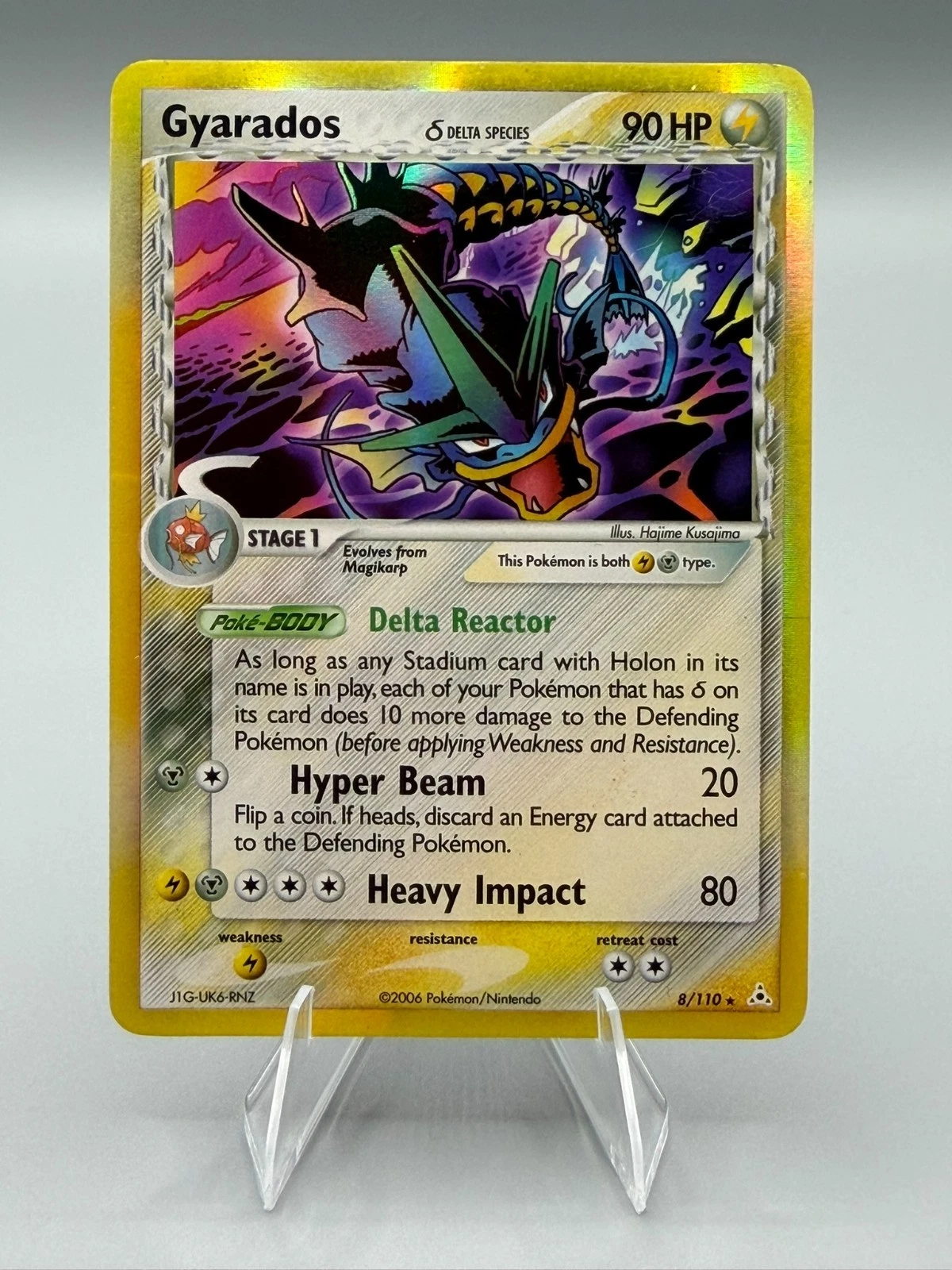
- The grade: the gap between neighboring grades can be large, especially at the top end. A top-grade slab and the one below it often sit in noticeably different places.
- The grader: PSA, CGC, BGS and SGC each get priced on their own comps. A card graded by one company is not assumed to be worth what the same card sells for in another company's holder.
Why sold comps and not asking prices
Asking prices show what sellers hope for. Sold comps show what buyers actually paid. We work from sold data because it reflects the real market, and we adjust for how recently and how often a particular slab trades. A card that sells constantly is easier to price with confidence than one that shows up rarely. If I told you a number before seeing your slab, I would be guessing, so we do not quote prices publicly. The accurate way to learn what yours is worth is a free quote or a quick visit.
PSA vs CGC vs BGS vs SGC from a seller's perspective
All four graders are accepted here. They are not interchangeable on the resale market, though, so here is how they compare for someone selling. This table sticks to widely known characteristics. Your actual offer depends on comps for your specific card and grade.
| Grader | Label and holder | Subgrades | Resale depth |
|---|---|---|---|
| PSA | Red-and-white label, whole-number grade on a 10-point scale | Not shown on the standard label | Generally the deepest pool of buyers and sold comps for Pokémon, which usually makes pricing easier |
| CGC | Clean, clear-style label and a tamper-evident holder | Available on some labels and services, so check your holder | A growing market with solid demand, though fewer comps than PSA for many cards |
| BGS (Beckett) | Thicker holder with a grade label that lists individual categories | Shown for centering, corners, edges and surface; the top Black Label is the best-known tier | Strong collector following, especially for high-subgrade cards; the comps are narrower and more sensitive to the subgrades |
| SGC | Black-style holder with a distinctive label | Not standard on the label | Well known in vintage and sports cards, with a smaller but dedicated Pokémon audience |
What the table means in practice
A deep market usually means more recent comps and a firmer price. A thinner market does not mean your slab is worth less. It can just mean the pricing takes more care. BGS slabs are the clearest example, because the subgrades matter. Two cards with the same overall grade can be priced differently depending on the numbers underneath. Make sure the label is clearly readable when you hand a slab over.
Cert verification: in store and before you visit
Every graded card carries a certification number, and every one of the four major graders lets the public look up that number on its website. In store, we check the cert number printed on the label against the grader's records. We also look at the holder itself to confirm it matches what we would expect from that grader. The goal is to confirm that the card, the grade and the holder all agree.
Look up your own cert first
You can do this before you leave the house, and I recommend it. Here is how:
- Find the cert number on the label. It is usually printed near the barcode or the bottom of the label.
- Go to the grader's official site and open its certification or population lookup page.
- Enter the number and compare the result with the label: card name, set, year printed on the card, and grade.
- Note anything that does not match, such as a different card name or grade. Bring that up at the counter, because it is better to find out early.
That check takes about a minute, and it lets you know what you are holding. It also helps you ask better questions when we go through the offer.
Cracked, scratched or tampered holders, crossover and resubmission
Not every slab is perfect. Here is how I think about each situation.
Cracked or heavily scratched holders
Light scuffs on the plastic are common and usually do not change much, since many buyers care mostly about the card and the label. A deep crack, a split seam, or a corner that is separating is different. Those can reduce what a buyer is willing to pay, because the next buyer will care. Do not try to repair a holder yourself. Bring it in as is and we will explain how the damage affects the offer. Whether it is worth sending the card to be reholdered is a conversation worth having, especially for higher-value cards.
Crossover
A crossover means breaking a card out of one grader's holder and submitting it to another, hoping for the same or a better grade. It can make sense when the card has a clear case for a higher grade and the market strongly prefers the target grader. It is a gamble, though. You can land on the same grade, or lower. For most slabs I would only consider it if you have studied the comps and the gap is meaningful. If you only want cash, selling the slab as it is usually avoids the risk and the wait.
Resubmission
Resubmitting means sending a graded card back to the same company for another look. It might help if you believe the grade is off. It also costs time and fees, and the result is never guaranteed. For a card that is already in a respected holder at a strong grade, it is rarely worth it. When someone asks me, I tell them to compare the likely upside with the wait before deciding.
One slab versus a graded collection
A single slab is simple. We verify the cert, check comps, and make an offer. Most one-slab visits are quick.
A collection takes a little longer, but the process is the same. Each slab gets its own cert check and its own comp-based price, whether you have five or fifty. We do not apply a bulk discount to a graded collection, because graded cards are priced individually. What does help is organizing before you come. Sort slabs by grader, put the cases in a box, and keep a list if you have one. If you have a mix of slabs, raw singles and sealed product, bring it all. Raw notable singles are priced individually, true bulk is priced by the lot, and sealed product gets inspected in person.
Should you sell all at once?
That is your call. Some people sell the slabs they do not feel attached to and keep their favorites. Others clear out a whole collection. Bringing everything lets you see offers on all of it and choose.
Local sale vs online marketplace, card shows and consignment
Every channel has trade-offs. The right one depends on how much you value speed, certainty and effort.
| Option | Speed | Effort | Trade-off |
|---|---|---|---|
| Local walk-in sale | Same visit, cash on the spot | Low | A buyer has to price in resale risk, so the offer reflects a dealer's margin |
| Online marketplace | Depends on when a buyer shows up | High: photos, listings, messages, shipping | Can reach more buyers, but you take on fees, returns, disputes and shipping risk |
| Card shows | One day, but only if the right buyer attends | Medium to high: table costs, travel, setup | Face-to-face and sometimes strong, but results vary from show to show |
| Consignment | Slowest; you wait for it to sell | Low once handed over | You can see a higher sale, but you pay a cut and your cards are tied up |
How I would decide
If you want cash today and no hassle, a local sale makes sense. If you have time, a rare high-end card, and are willing to handle shipping and buyer questions, an online listing may bring more. Card shows work if you already go to them. Consignment suits people who can wait. You can also split things up: sell the easy slabs here and keep the special ones for another channel.
Other cards and collectibles we buy
Slabs are only part of what people bring in. We also buy raw cards, sealed product, other trading card games and sports cards.
- Raw cards: notable singles are priced individually; true bulk is priced by the lot.
- Sealed product: we inspect shrink-wrap, seams and weight in person to rule out resealing.
- Other TCGs: Magic, Yu-Gi-Oh!, One Piece and Lorcana.
- Sports cards: raw and graded.
For famous cards, see our page on selling rare and famous Pokémon cards. For a broader view, there is our guide to selling Pokémon cards and collectibles. We are also an electronics buyback store, so if you are clearing out old phones, consoles or laptops while you sort your collection, take a look at selling electronics in Trenton.
Coming from nearby towns
Our store is at 1469 Nottingham Way #5 in Trenton, close to Route 33, and there is a Sam's Club on Route 33 nearby. Here is how it works for people in the surrounding area.
Robbinsville
Robbinsville sellers take a short drive west on Route 33. Bring your slabs and get a real in-person look instead of settling for a kiosk lowball. Everything is checked and priced at the counter.
Lawrenceville
Lawrenceville residents can make a quick trip down Route 206 and get an in-person evaluation, with no waiting on a mailed quote. If you have a few slabs and some old gaming gear, bring both on the same visit.
Ewing
Ewing is minutes from our counter, so TCNJ students and local families can come in the same day. If you have a binder of cards or a few slabs from a family collection, you do not need to schedule anything.
Hopewell
Hopewell Borough sellers make an easy run down Route 31. That means you do not have to trust anything valuable to the mail, which matters when a slab can be fragile and the card inside is worth real money.
Pennington
Pennington households can drive a short way south for a free, in-person offer with no shipping involved. Bring your slabs along with anything else you want appraised, such as sealed product or other trading cards.
Hightstown
Hightstown sellers head west on Route 33 to cash in on the spot instead of mailing items off for an online estimate. You see the cert check happen and leave with the money rather than waiting on a payment.
Frequently asked questions
Who buys PSA cards near me in Trenton?
Sell Your Gadgets Trenton buys PSA-graded Pokémon cards, along with CGC, BGS and SGC slabs. Walk in with your cards and ID, and the buyer prices each slab from its own sold comps.
Do I need an appointment to sell graded Pokémon cards?
No. You can walk in during store hours. If you would like a rough idea beforehand, a free quote is available online, by text, or in person.
Can I sell CGC Pokémon cards or BGS slabs here?
Yes. We buy CGC and BGS, and each is priced on its own comps. For BGS, subgrades can matter, so keep the label visible and unobscured.
How much will my slab be worth?
It depends on the exact card, the set, the grade and the grader, plus what similar slabs have recently sold for. We do not publish prices or give flat rates. The reliable way to find out is a free quote or a visit.
What do I need to bring?
Bring the slabs and a valid government photo ID. That is required for every sale. Any receipts or notes are optional but helpful.
Will you still buy a slab with a cracked case?
Often yes. Light scuffs matter little, while a split or cracked holder can lower the offer. Bring it as is and we will explain the effect on the price.
Do you only buy Pokémon cards?
No. We also buy Magic, Yu-Gi-Oh!, One Piece, Lorcana and sports cards, plus electronics such as phones, laptops, consoles and more.
Ready to sell? Bring your slabs and photo ID to Sell Your Gadgets Trenton at 1469 Nottingham Way #5, Trenton, NJ 08609. We are open Monday through Saturday from 10:00 AM to 7:00 PM and Sunday from 11:00 AM to 5:00 PM. You can also call 609-900-7867 or get a free quote first, and see the Trenton store page for directions and details.
Hear from a real customer
Real experience, real cash. Working or broken, get a free quote and walk out with cash the same day.
Compare your options
See how selling to us stacks up against other ways to sell, side by side.