Sell Pokémon Cards Near Me in Downtown Brooklyn, NY
By syedladen ·
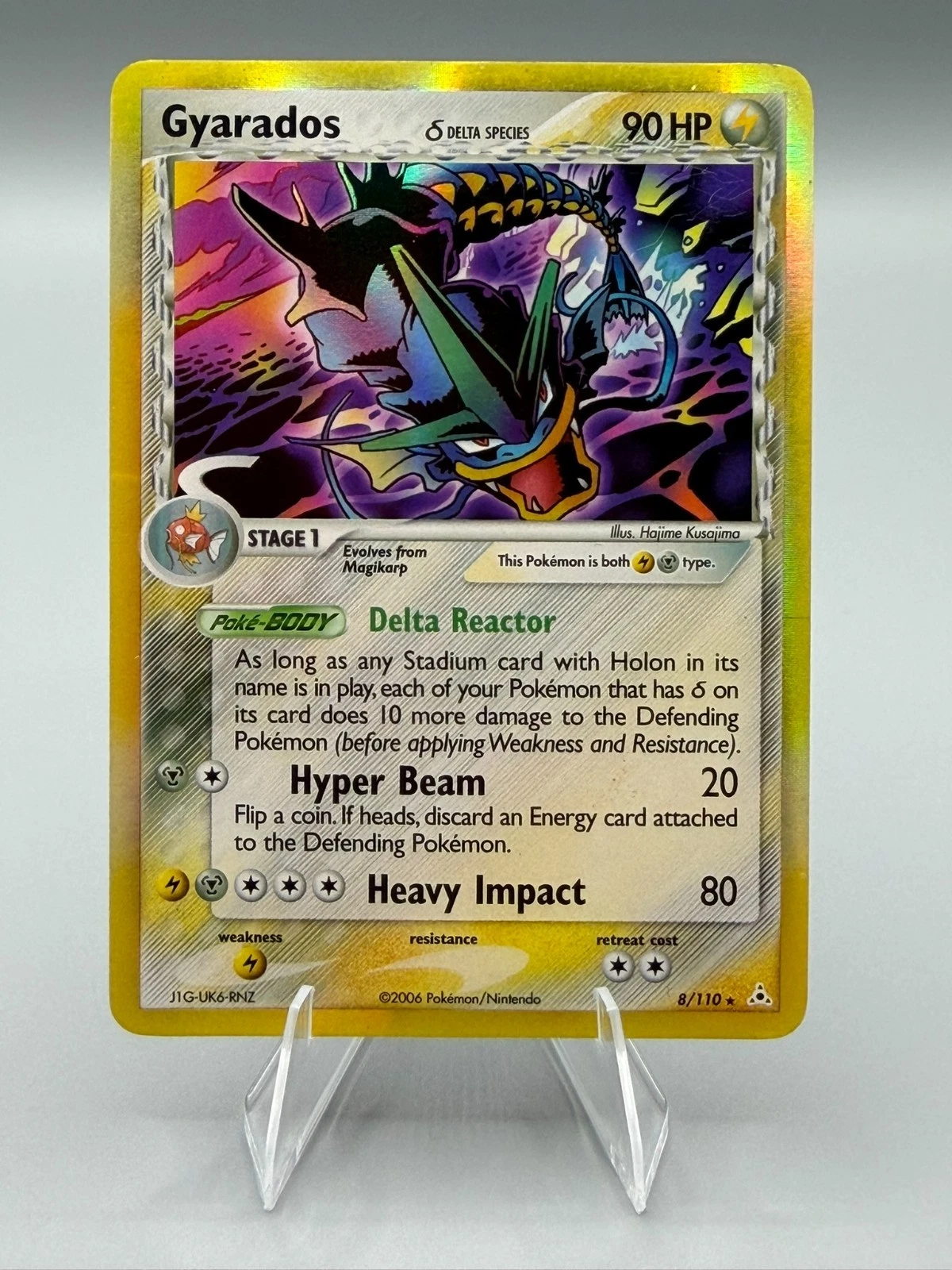
If you want to sell Pokémon cards near you in Downtown Brooklyn, walk into Sell Your Gadgets at 375 Dean St with your cards, no appointment needed. A buyer will go through them in person, price notable singles one by one, price true bulk by the lot, and pay you cash on the spot with a valid photo ID.
This guide covers what to expect, how to spot the valuable cards in a collection, how condition affects an offer, whether grading first is worth it, and how to pack your cards for the trip. It is written for anyone with a binder in a closet or a few boxes of bulk from a decade of collecting.
How selling Pokémon cards works at our Downtown Brooklyn store
The process is deliberately simple. Bring your cards to the Sell Your Gadgets Downtown Brooklyn store during open hours. There is no appointment and no need to message ahead, although you can start a free cash quote online or by text if you want to describe the collection first.
A buyer looks through what you brought. Our buyers use internal pricing tools that pull live sold comps card by card, so an offer reflects what a card has actually been selling for, not a guess and never a flat bulk rate. You hear the offer, you can ask questions or negotiate, and if you accept, you are paid in cash right there.
- Raw singles: notable cards are priced individually.
- True bulk: common and uncommon filler is priced by the lot.
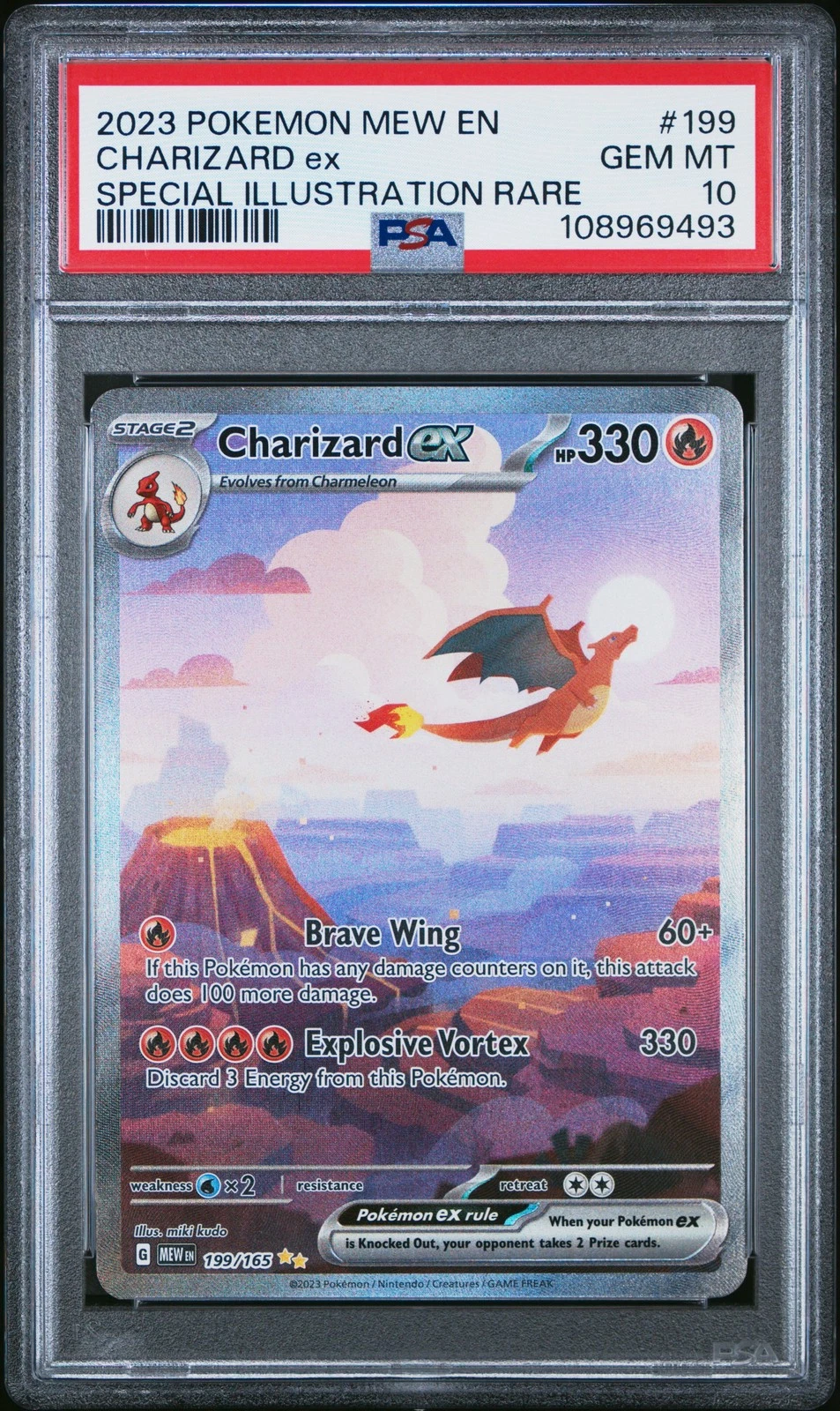
- Graded slabs: PSA, CGC, BGS, and SGC are all bought, each priced on its own comps.
- Sealed product: inspected in person before any offer.
- Other cards: we also buy Magic, Yu-Gi-Oh!, One Piece, Lorcana, and sports cards.
Every sale requires a valid government photo ID. That is the standard secondhand-dealer rule, and it applies to everyone.
How to spot the valuable cards in a collection
You do not need to be an expert before you come in, but a quick sort saves time and helps you know what to expect. These are the markers experienced buyers look at first.
Set symbol and card number
The set symbol tells you which expansion a card is from. On modern cards it sits near the bottom of the card, and on older cards it is on the right side beneath the art. The card number, printed at the bottom, looks like a fraction, such as a number over the set total. When the first number is higher than the set total, you are usually looking at a secret rare or special rarity, and those deserve a closer look.
Rarity symbol
A small symbol near the card number shows rarity. A circle means common, a diamond means uncommon, and a star means rare. Modern sets add more star variations, including gold-star symbols on illustration rares and special illustration rares. Commons and uncommons are almost always bulk. Stars and gold symbols are where you should slow down.
Holo vs reverse holo
A holo card has the shiny foil effect only in the art window. A reverse holo has foil over the rest of the card but not the art. They are often confused. A reverse holo of a common card is usually still bulk-level. A holo rare of a popular Pokémon can be a very different story, and older holos in good shape tend to hold value noticeably better than recent common-tier cards.
1st Edition stamp and Shadowless
On early English sets, a small black 1st Edition stamp sits to the left of the art, just below it. That stamp can change value dramatically compared with the same card without it. Shadowless cards, from the early Base Set print run, lack the drop shadow along the right edge of the art frame that later prints have. If you have cards from the late 1990s or early 2000s, check for both. Do not assume, though. Fakes and reprints exist, and a buyer will check fonts, texture, and print quality in person.
Alt-arts and special illustration rares
Newer chase cards are easy to miss because they look like artwork instead of a standard card. Alternate art cards from the Sword & Shield era show the Pokémon in a full scene that extends beyond the usual frame. Special illustration rares in the Scarlet & Violet era are full-art scenes with gold-star rarity marks. These often outrank older, plainer holos in demand, so pull them aside even if the Pokémon is not one you recognize.
Condition guide: what buyers look at
Condition is one of the biggest drivers of a raw card's offer. The same card in Near Mint and in Heavily Played can be far apart in value. Here is how each grade generally looks.
| Condition | Corners | Edges | Surface | Centering |
|---|---|---|---|---|
| Near Mint | Sharp, no visible wear | Clean, maybe a tiny fleck at most | Glossy, no scratches or creases | Reasonably even borders |
| Lightly Played | Slight softness, minor tip wear | Light whitening in a few spots | Faint scuffs or very minor scratches | May be a bit off-center |
| Moderately Played | Visibly rounded or whitened | Obvious whitening along multiple edges | Noticeable scratching, light creasing possible | Often visibly uneven |
| Heavily Played | Heavily rounded, frayed | Extensive whitening or chipping | Heavy scratches, creases, dulling | Can be significantly off |
| Damaged | Bent, torn, or missing material | Peeling or tearing | Major creases, water damage, writing, or stains | Not a main factor |
Be honest with yourself when you sort. Cards that lived loose in a shoebox or got played at a kitchen table usually land in the middle of this table, not at the top. That is normal, and it is why individual review matters more than a general guess.
How singles and bulk are priced in one visit
Most collections are a mix, and we price them that way within a single visit. A buyer separates what is worth looking at individually from what is not.
Notable singles
Holo rares of popular Pokémon, older set cards, special rarities, 1st Edition and Shadowless cards, and recent chase cards are priced one at a time against live sold comps. Condition is factored in for each card. That means a clean card is treated differently from a worn copy of the same card, which is how it should be.
True bulk
Commons, uncommons, and most reverse holos of common cards have little individual value. These are priced by the lot, based on what the lot realistically offers. This is different from a flat per-card or per-pound rate applied to everything, which can underpay you for the good cards hidden in the pile. Because the singles are pulled out first, the valuable cards are not lumped in with filler.
For a general sense of where your cards fall, you can send details through the free quote form or review our page on how we buy raw Pokémon cards. The most accurate answer, though, always comes from a buyer holding the cards.
Sealed product and graded slabs
Sealed boxes, packs, and ETBs
Sealed product is inspected in person. The buyer checks the shrink-wrap, the seams, and the weight to rule out resealing, which is a real problem in the hobby. Bring sealed items in their original condition and avoid opening or re-wrapping anything. A cleanly sealed item from an in-demand set generally holds value better than a damaged or ambiguous one.
Graded cards
For slabs, we verify the cert number and the holder in store. We buy PSA, CGC, BGS, and SGC, and each is priced on its own comps rather than treated as interchangeable. A grade from one company does not automatically equal the same grade from another in the market, so pricing follows the actual sales data. If you are weighing options, see our page on how to sell graded Pokémon cards.
Should you grade first?
Grading can make sense for the right card, but it is not automatically the better move. Here is the honest trade-off.
- Time: Grading means shipping your cards, waiting in a queue, and waiting again for them to come back. Selling raw in Downtown Brooklyn takes one visit.
- Fees: You pay grading fees and shipping, possibly insurance, whether or not the result is good. Those costs reduce what you actually net, especially on cards that are not worth much more graded.
- Risk: A card you think is Near Mint can come back with a lower grade than expected because of centering, a surface line, or a tiny edge flaw. A lower grade can make the extra spend not worthwhile.
- Market movement: Prices can change during the wait, in either direction.
- Upside: Truly sharp, well-centered copies of strong cards can benefit from grading, since buyers pay more for the certainty of a slab.
A practical rule: if a card is clean, from a desirable set, and a high grade is realistic, grading may be worth exploring. If you want cash soon, or the card shows visible wear, selling raw is usually the simpler path. A buyer can tell you which of your cards are candidates, with no obligation to sell.
How to bring your cards in
You do not need to prep much, but a little care helps your cards and speeds up the visit.
- Keep sleeves on. Cards already in sleeves should stay that way. Add a sleeve to any valuable card that is loose.
- Use top loaders for the good stuff. Place notable singles in rigid top loaders so corners do not get bent on the commute.
- Leave binders as they are. Do not rip pages out. A binder sorted by set or by Pokémon is fine. If it is a jumble, just bring it as is.
- Separate bulk. Put commons and uncommons in a box or bag away from the singles you care about.
- No rubber bands. They dent edges and corners. Use a card box or a sturdy bag instead.
- Keep sealed items sealed. Do not open or re-wrap them, and avoid crushing the corners.
- Bring your ID. A valid government photo ID is needed for every sale.
Please do not clean cards, buff surfaces, or try to straighten corners. Those fixes often reduce value and can be spotted right away.
Where to sell Pokémon cards locally
When people search for where to sell Pokémon cards locally, they usually compare a few routes. Each has its place.
- Online marketplaces: They can reach a wide audience, but you handle photos, listings, shipping, fees, and the chance of disputes. That works for a handful of cards and gets tedious for a whole collection.
- Peer-to-peer meetups: Local classifieds can work, though you manage scheduling, no-shows, and safety on your own.
- Card shops: Many local game and card stores buy collections, and some focus on specific games. Policies vary shop to shop, so it helps to ask how they price.
- A buyback store like ours: You walk in, get a card-by-card review, and leave with cash the same day. It suits people who want a quick, straightforward sale without managing listings.
Customers across our reviews often mention that our buyers are careful, give their full attention, and are open to a conversation about the offer. We hold a 4.9 Google rating from 405 reviews. If you want a second opinion first, there is no pressure to sell. For a wider view of what we buy, see our page for Pokémon cards and collectibles.
Selling Pokémon cards from nearby towns and neighborhoods
We serve collectors from across the area. Here is how the trip usually works from each place. The store is near Dean St and 4 Av, so check your route before you leave.
Crown Heights
Crown Heights is close to Downtown Brooklyn, which makes this an easy trip with a binder or a small box. Many people bring cards on a lunch break or after work. Weekday hours run until evening, so you can swing by without planning ahead.
Flatbush
From Flatbush, you can head toward Downtown Brooklyn on the major avenues or by transit. It is a manageable trip even with a bigger collection, and you get paid on the same visit so you do not have to come back. Bring your ID and keep the cards boxed for the ride.
New York
If you are coming from elsewhere in New York City, plan the trip around transit and our opening hours. A single visit is enough, since inspection, pricing, and payment all happen in store. See our New York locations page for other places we operate.
Jersey City
Collectors in Jersey City can reach Downtown Brooklyn by crossing into the city and continuing into Brooklyn. Since the trip takes more effort, bring everything you want reviewed, including bulk, sealed items, and any slabs, so you can finish in one go. Check the hours before you leave.
Manhattan
From Manhattan, Downtown Brooklyn is a short ride across the East River by subway. That makes it practical to bring a binder or a few boxes without much hassle. Pack cards in top loaders and sleeves so they travel safely during rush hour.
Williamsburg
Williamsburg has plenty of collectors, and a trip to Downtown Brooklyn is a reasonable way to sell a collection without handling shipping and listings. Bring your ID and a sorted binder if you can. If you have other gear to sell, such as a console, camera, or headphones, bring it along.
Frequently asked questions
Do I need an appointment to sell Pokémon cards?
No. Walk in during store hours with your cards and a valid government photo ID. If you want a preliminary idea first, you can start a free quote online or by text.
Can I sell a whole binder or only individual cards?
You can sell either. Notable singles in a binder are priced individually, and the true bulk is priced by the lot. You do not have to sell everything, so keep the cards you want to hold onto.
Do you pay a flat rate for bulk Pokémon cards?
No. Buyers use pricing tools that pull live sold comps card by card. Only true bulk, such as commons and uncommons, is priced by the lot, and the valuable cards are pulled out first.
Do you buy graded Pokémon cards?
Yes. We buy PSA, CGC, BGS, and SGC slabs. We verify the cert number and holder in store and price each on its own comps.
Will you buy sealed Pokémon boxes and packs?
Yes, after in-person inspection. We check the shrink-wrap, seams, and weight to rule out resealing, so keep sealed items exactly as they are.
Do you buy other trading cards too?
Yes. Besides Pokémon, we buy Magic, Yu-Gi-Oh!, One Piece, Lorcana, and sports cards. You can bring them in the same visit.
How am I paid, and what do I need to bring?
Payment is cash on the spot once you accept the offer. Every sale requires a valid government photo ID.
Ready to find out what your collection is worth? Get a free cash quote or just walk in at Sell Your Gadgets Downtown Brooklyn, 375 Dean St, Downtown Brooklyn, NY 11217. We are open Monday 12:00 PM – 7:00 PM, Tuesday through Friday 10:00 AM – 7:00 PM, Saturday 12:00 PM – 5:00 PM, and closed Sunday. You can also call (718) 500-3450.
Hear from a real customer
Why they chose Sell Your Gadgets. Working or broken, get a free quote and walk out with cash the same day.
Compare your options
See how selling to us stacks up against other ways to sell, side by side.