Sell Pokémon Cards Near Me in Orange Park, FL | Cash Today
By syedladen ·
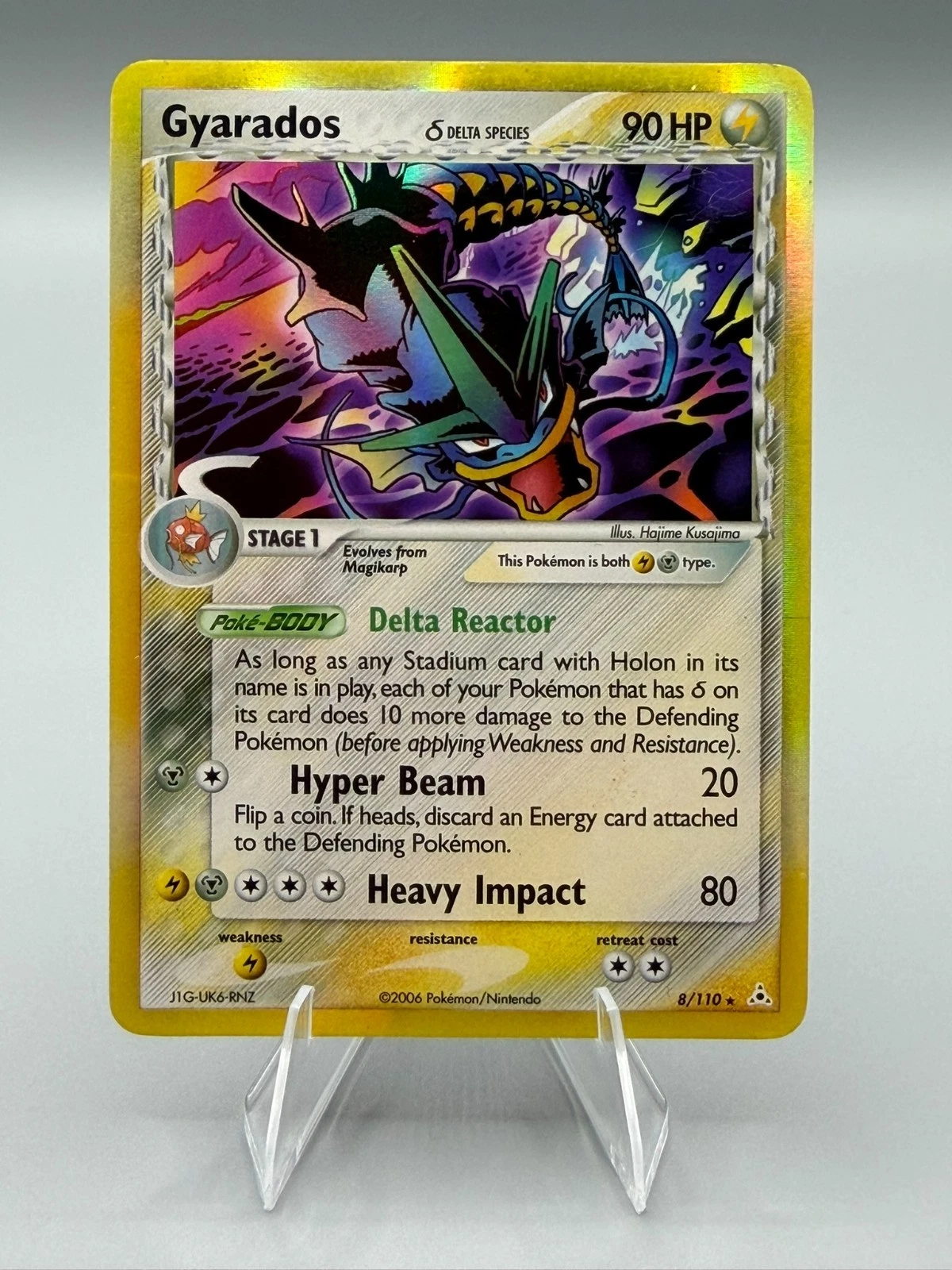
If you want to sell Pokémon cards near you in Orange Park, FL, you can walk into Sell Your Gadgets with your cards, no appointment, and leave with cash the same visit. Our buyers price notable singles one at a time from live sold comps, price true bulk by the lot, and pay on the spot with a valid photo ID.
How selling Pokémon cards works at our Orange Park store
Most people searching for where to sell Pokémon cards locally want three things: a fair look at what they have, a clear answer, and no waiting on a package to cross the country. That is how we run it. You bring in your cards, a buyer goes through them with you at the counter, and you decide whether the offer works. If it does, you are paid cash right there.
There is no appointment and no flat bulk rate. Our buyers use internal pricing tools that pull live sold comps card by card, so a binder with a handful of strong cards is not treated like a shoebox of commons. Notable singles get their own look. True bulk is priced by the lot.
Our store is an electronics buyback shop first, which is why you can also bring that old phone, tablet, or console in the same trip. If you want a feel for the store before you go, see our Orange Park store page. For a general overview of what we pay cash for, visit sell electronics in Orange Park.
How to spot the valuable cards in a collection
You do not need to be an expert to do a first pass at home. A few quick checks will tell you which cards deserve to be pulled out and protected before you come in.
Set symbol and card number
Every modern card carries a small set symbol, usually near the bottom corner, and a card number like 045/198. Two things matter here. First, the set tells you which print run you are holding, and older, popular sets tend to draw more buyer interest. Second, when the first number is higher than the set total (for example 205/198), you are looking at a secret or special rarity that sits outside the main set. Those are often worth setting aside.
Rarity symbol
Next to the set number you will find a rarity mark. A circle generally means common, a diamond means uncommon, and a star means rare. Newer sets add more detailed marks for ultra rares and special illustration cards. Commons and uncommons are usually the bulk of a collection. The star and above is where you should slow down and sort.
Holo vs. reverse holo
A holo has the foil effect in the art window only. A reverse holo has the foil on the rest of the card, with the art window left flat. Reverse holos of common cards are usually not special, while a true holo of a popular Pokémon often is. Full-art and textured cards are a different category again, and they tend to be the ones worth a closer look.
1st Edition stamp and Shadowless
On older Wizards of the Coast era cards, look for a small black 1st Edition stamp on the left side, just below the art. On early Base Set cards, also check for Shadowless printings. These lack the drop shadow along the right edge of the art frame, so the frame looks flat. Both can matter a lot to buyers, but they are also commonly misread, so bring them in rather than guessing. We would rather check than have you assume.
Alt-arts and special illustration rares
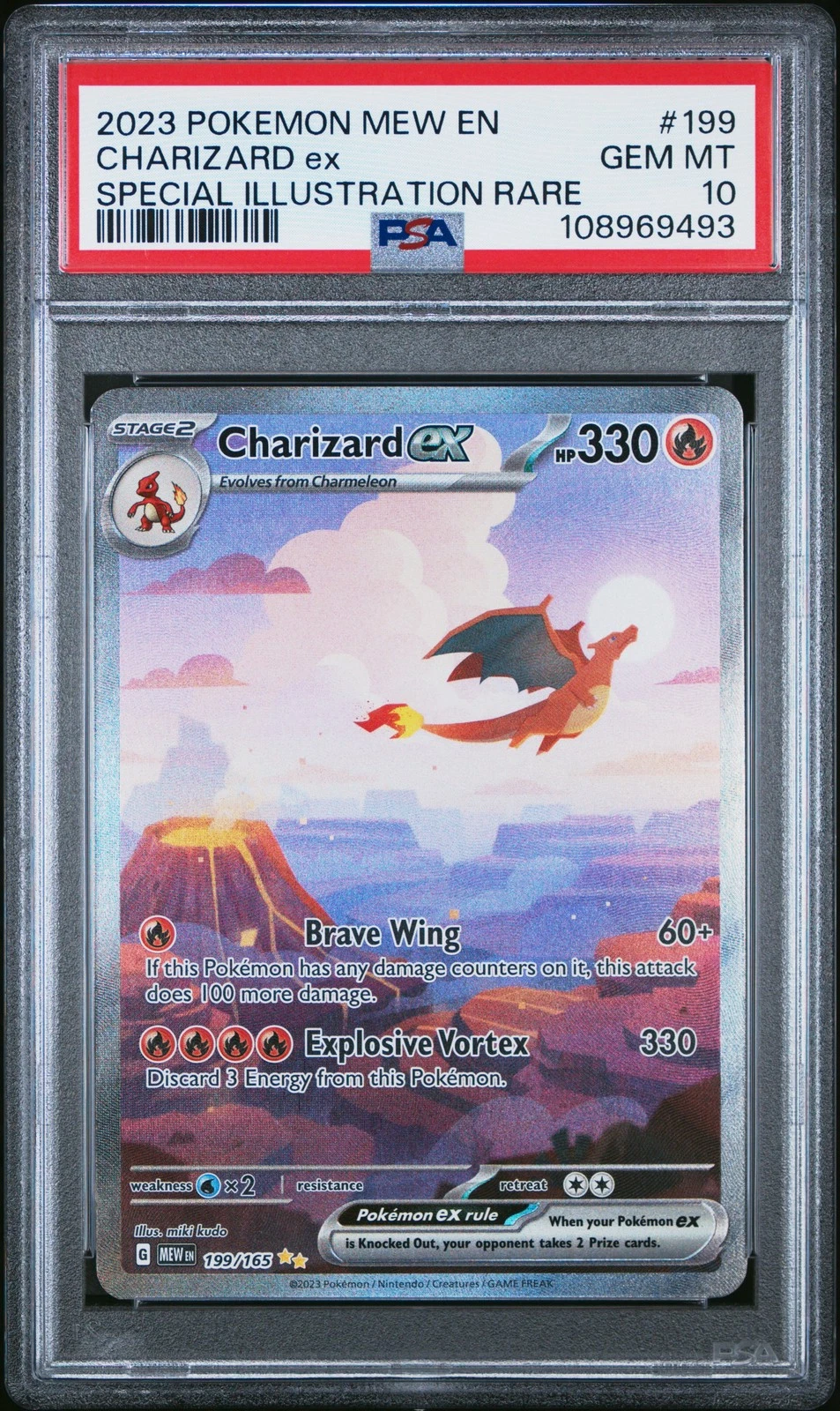
Modern chase cards are often alternate art cards and special illustration rares, where the artwork spills past the frame and shows the Pokémon in a full scene. They usually carry high secret-rare numbers. If you see one in a pack-pulled collection, set it aside in a sleeve immediately. These are the cards where condition and exact print matter most.
Card condition: what buyers look at
Condition is the biggest swing factor on raw cards. Two copies of the same card can be priced very differently depending on how they look under good light. Here is how the common grades break down.
| Condition | Corners | Edges | Surface | Centering |
|---|---|---|---|---|
| Near Mint | Sharp, no visible wear | Clean, maybe a tiny fleck at most | Glossy, no scratches or creases | Reasonably even borders |
| Lightly Played | Slight softening or minor whitening | Light whitening in a few spots | Faint scuffs or tiny scratches | Can be off but not extreme |
| Moderately Played | Visible rounding and whitening | Obvious whitening along multiple edges | Noticeable scratches, light creasing or clouding | Often noticeably uneven |
| Heavily Played | Heavily rounded or worn | Widespread whitening, possible nicks | Major scuffs, creases, or wear | May be significantly off |
| Damaged | Bent, torn, or chewed | Peeling or ripped edges | Heavy creases, water damage, writing, or tears | Not a primary concern |
Pull your best-looking cards out and check them under a bright lamp, tilting the card to catch scratches. Be honest with yourself. A card that feels fine in a binder can show wear the second the light hits it. Condition affects value noticeably, and damaged copies of even popular cards are typically worth much less than clean ones.
How singles and bulk are priced in one visit
At the counter, your cards are usually split into two groups, and both get handled in the same visit.
Notable singles
Cards that stand out, such as holos of popular Pokémon, older-era cards, full arts, alt-arts, and special illustration rares, are priced individually. The buyer identifies the exact card and print, assesses condition, and checks it against live sold comps. That means the offer reflects what the card has actually been selling for, not a guess and not a rule of thumb.
True bulk
Commons, uncommons, and ordinary reverse holos are priced by the lot. There is no per-card appraisal for hundreds of common cards, and that would not be fair to you or practical for anyone. Sorting that pile out of your binder is not necessary, though. Bring it in, and we will handle the separation.
Putting it together
You get one combined offer: the singles that earned their own price, plus the bulk lot. If you would like a rough idea beforehand, request a free quote and tell us what you have. The final number always comes after an in-person look.
For more on how we approach unslabbed cards, see our page on selling raw Pokémon cards.
Sealed product and graded slabs
Sealed product
Sealed boxes, booster bundles, and packs are inspected in person. Our buyers look at the shrink-wrap, the seams, and the weight to rule out resealing. Resealed product is a real problem in the hobby, so a careful look protects everyone involved. Bring sealed items in their original condition and avoid opening or handling them more than necessary.
Graded slabs
We buy PSA, CGC, BGS, and SGC graded cards. Each one is priced on its own comps, because a grade from one company does not sell the same as an equivalent number from another. In store, we verify the cert number and check the holder itself. If you have slabs, take a look at how we buy graded Pokémon cards.
Should you grade your cards first?
This is one of the most common questions we hear, and the honest answer is that it depends. Grading can make sense for a top-tier card in excellent shape. It does not make sense for everything, and here are the trade-offs.
- Time: Grading is not quick. Your cards leave your hands for a while, and turnaround can change depending on service level and demand. Selling raw gets you paid the same day.
- Fees: You pay to submit each card, plus shipping and insurance on the way there and back. On a card that is not worth much, those costs can eat the benefit.
- Risk: A grade is a verdict you cannot predict. A card you think is pristine can come back with a lower grade because of centering, a tiny edge flaw, or a surface line. A lower grade can leave you with a card worth less than you hoped, after you already paid fees.
- Upside: A high grade on a sought-after card can help it hold value better and attract more buyers. That is why the rare, clean, high-demand cards are the ones people most often submit.
A fair rule of thumb: if the card is only worth a modest amount raw, grading is unlikely to pay off. If you are on the fence, bring it in and we will tell you what we see. You can sell raw now, or decide to grade it with better information. There is no pressure either way.
How to bring your cards in
A little prep helps your cards hold value and makes the visit faster.
- Use sleeves and top loaders. Put your best cards in soft sleeves, then in rigid top loaders. This protects corners and surfaces in the car.
- Keep binders as they are. If your cards are already in a binder, bring the whole binder. Do not pull cards out in a rush and stack them loose.
- Sort lightly, if at all. Setting aside holos, older cards, and anything that looks special is helpful. Do not spend hours on it, because we will go through everything.
- No rubber bands. They dent edges and corners and can leave marks on the card face. Use boxes, deck cases, or bags to hold stacks.
- Keep sealed items sealed. Do not open or reseal anything. Bring the original product as-is.
- Bring valid photo ID. A valid government photo ID is required for every sale. It is a standard secondhand-dealer requirement.
- Bring the slabs in their cases. For graded cards, leave them in the holder so we can verify the cert number and the slab itself.
Selling locally vs. other options
Online marketplaces and auction sites are well known and can reach a wide audience, and card shops and shows are other options. Each has trade-offs. Online selling usually involves photographing and listing cards, waiting for a buyer, paying platform fees, shipping carefully, and handling the occasional dispute. Shows are good for face-to-face trades, but the timing is up to the calendar.
Selling locally at our store trades some of that effort for speed and certainty. You see the evaluation happen in front of you, you get an answer the same day, and you are paid in cash on the spot. If you have a few truly high-end cards and you are patient, you may want to compare. For a larger collection, a binder of mixed singles, or a box of bulk, a single visit is often the simpler route. We also buy other trading card games, including Magic, Yu-Gi-Oh!, One Piece, and Lorcana, as well as sports cards, so you can bring those in too. See also our page on selling Pokémon cards and collectibles.
Coming from nearby towns
Orange Park is at Blanding Blvd near Wells Rd, and plenty of collectors make the drive from across the area. Here is what it looks like from each direction.
St. Johns
Families in St. Johns coming off County Road 210 can make one trip with cards and old devices. Our buyers evaluate everything at a real counter, right in front of you. There is no mailing and no waiting on a stranger to reply. If you also have last year's iPhone or an iPad, bring it along. See selling electronics from St. Johns.
Ponte Vedra Beach
Sellers in Ponte Vedra Beach often have a nicer-than-average collection and a premium device or two to go with it. We give a transparent in-person offer instead of a vague online estimate. Walk in with your binder, plus a MacBook Pro or Apple Watch if you are clearing out a drawer.
Jacksonville Beach
Jacksonville Beach residents head inland on J. Turner Butler Boulevard for a same-day cash offer. Cards, phones, cameras, and gaming gear can all be handled in one stop. No appointment is needed, so go when your schedule allows.
Atlantic Beach
Atlantic Beach and Neptune Beach neighbors get paid in cash for used and broken electronics and cards that have been sitting in a closet. Instead of letting a childhood binder gather dust, bring it in and find out what is in it. It is a straightforward, same-day process.
Yulee
Yulee sellers off A1A and I-95 make one trip south for an honest cash offer. Bring your cards, and if you have a phone, laptop, or console to move, bring that too. No shipping box required.
Fernandina Beach
Fernandina Beach residents on Amelia Island bring a batch down I-95 for a single in-person quote paid out the same day. A collection plus a few old devices can all be handled in one visit, which makes the drive worthwhile.
Frequently asked questions
Do I need an appointment to sell Pokémon cards?
No. Walk in with your cards during store hours. A buyer will look through them with you, and you can be paid cash on the spot if you accept the offer.
Do you pay a flat rate for bulk Pokémon cards?
No. Notable singles are priced individually from live sold comps, and true bulk is priced by the lot. A flat bulk rate would shortchange anyone with strong cards mixed in.
Can I sell a whole Pokémon card collection for cash?
Yes. Bring the binders, boxes, and any sealed items or graded slabs. Singles, bulk, sealed product, and slabs are each handled the right way in one visit, and you receive cash if you accept.
Do you buy graded cards like PSA, CGC, BGS, and SGC?
Yes, all four. We verify the cert number and holder in store and price each card on its own comps for that grading company.
Will you buy sealed Pokémon boxes and packs?
Yes. We inspect the shrink-wrap, seams, and weight in person to rule out resealing, so bring sealed items in original condition.
What do I need to bring?
Your cards, ideally protected in sleeves and top loaders, and a valid government photo ID. Skip the rubber bands.
Do you buy other trading cards besides Pokémon?
Yes. We also buy Magic, Yu-Gi-Oh!, One Piece, Lorcana, and sports cards.
Ready to find out what your cards are worth? Get a free quote or just come in to Sell Your Gadgets Orange Park at 26 Blanding Blvd, Orange Park, FL 32073. We are open Monday through Saturday from 10:00 AM to 7:00 PM and Sunday from 11:00 AM to 4:00 PM. Call (904) 870-4541 with questions, and bring your valid photo ID.
Hear from a real customer
Real experience, real cash. Working or broken, get a free quote and walk out with cash the same day.
Compare your options
See how selling to us stacks up against other ways to sell, side by side.