Sell Pokémon Cards Near Me in Ridgewood, NY (Cash)
By syedladen ·
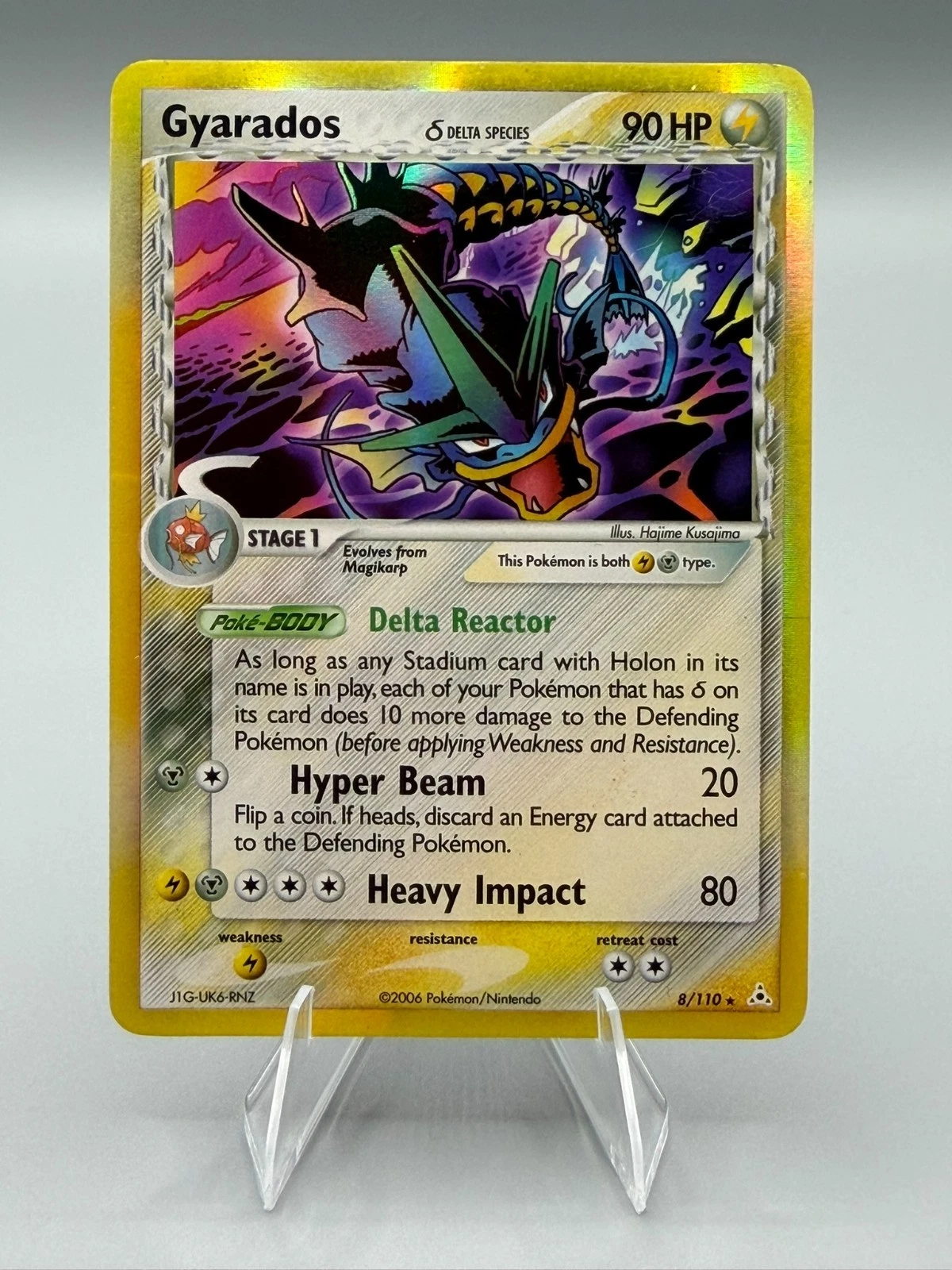
If you want to sell Pokémon cards near you in Ridgewood, NY, walk into Sell Your Gadgets on Fresh Pond Rd with your cards, no appointment needed, and leave with cash the same visit. Our buyers price notable raw singles one by one against live sold comps, and true bulk is priced by the lot, so you never get a flat bulk rate applied to cards that deserve more.
How selling Pokémon cards works at our Ridgewood store
The process is deliberately simple. You bring your cards to the Ridgewood store, a buyer goes through them with you, and you get an offer you can accept or decline. If you accept, you are paid cash on the spot. A valid government photo ID is required for every sale, which is the standard secondhand-dealer rule, so bring it along.
If you want a head start, you can get a free quote first by form, text, or by just walking in. For collections, an in-person look is almost always better, because condition, centering, and small details like stamps can only be judged with the cards in hand.
What makes our pricing different from a flat rate
Our buyers use internal pricing tools that pull live sold comps card by card. That means a Charizard and a common Pidgey are never treated as the same thing just because they sit in the same binder. We do not publish prices, since the market moves, but you will see the reasoning behind any offer as we go through your cards.
What you can bring
- Raw (ungraded) singles, from a handful of favorites to full binders
- Bulk boxes and loose piles of commons, uncommons, and rares
- Sealed product such as booster packs, boxes, and tins
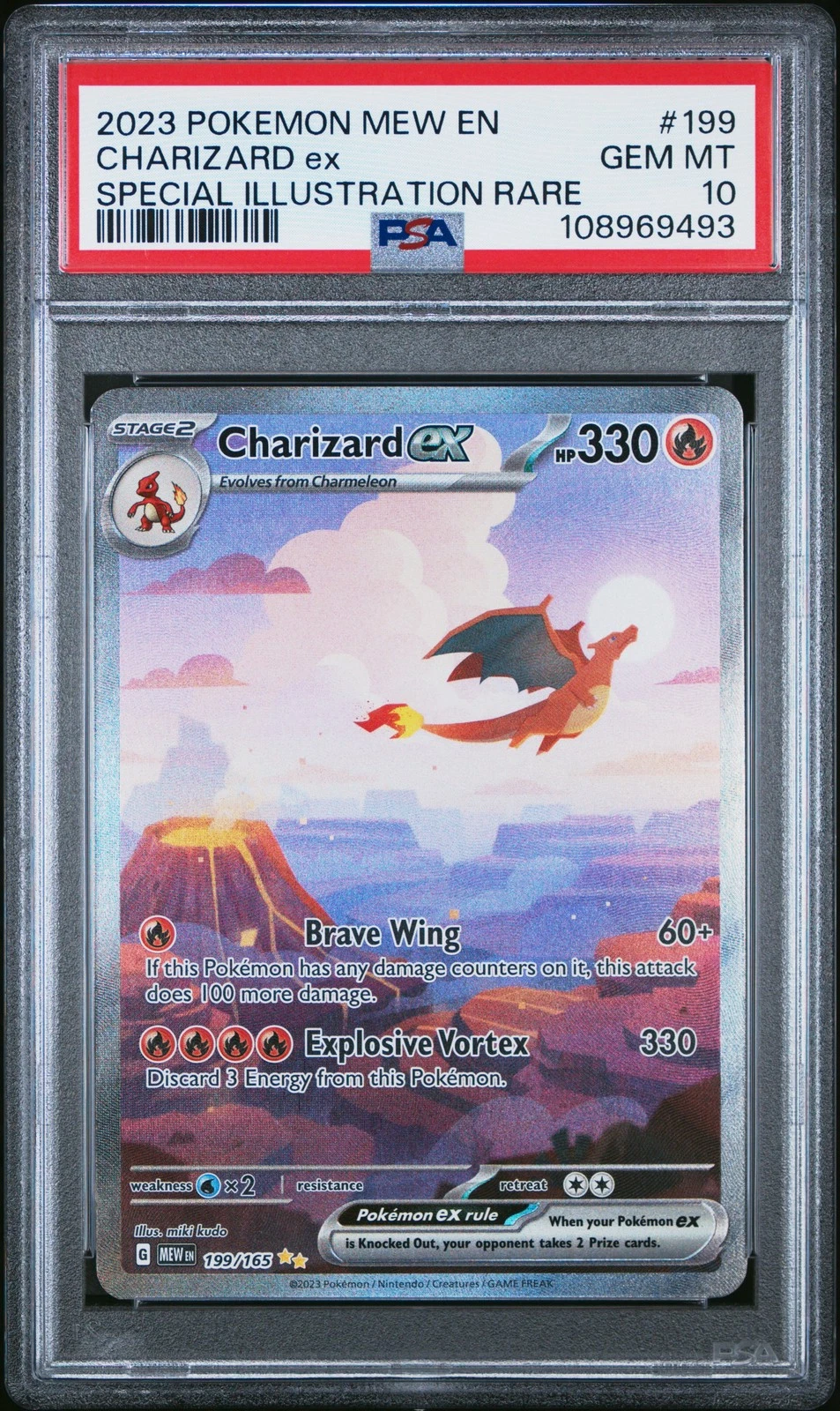
- Graded slabs from PSA, CGC, BGS, and SGC
- Other trading cards, including Magic, Yu-Gi-Oh!, One Piece, Lorcana, and sports cards
How to spot the valuable cards in your collection
Before you come in, it helps to know what to look for. You do not need to price anything yourself, but a quick sort can save time and keep your best cards protected. Here is what experienced buyers check first.
Set symbol and card number
Every card carries a small set symbol, usually near the bottom right or beside the illustration, plus a card number such as 4/102. The set tells you the era and print run, and older sets often draw more collector attention. A number higher than the set total, like 105/102, often signals a secret rare, which tends to be more sought after than a regular card.
Rarity symbol
Near the card number you will find a small symbol: a circle for common, a diamond for uncommon, and a star for rare. Modern sets add many more rarity tiers, and the text or foil treatment on the card often tells you more than the symbol alone. Do not assume a plain star means a card is worth little, since the name, set, and artwork matter a lot.
Holo vs. reverse holo
A standard holo has the shiny effect inside the artwork window. A reverse holo puts the shine across the rest of the card and leaves the art flat. They are different versions of the same card and can be priced differently, so keep them separate if you can. Full-art, textured, and rainbow-foil cards are another category and are usually worth pulling aside.
1st Edition stamp and Shadowless
On early English sets, a small 1st Edition stamp sits to the left of the artwork, below the top corner. Shadowless cards, from the early print run, lack the drop shadow along the right edge of the art box that later Unlimited cards have. Both details can change how a card is priced compared with its standard counterpart, and both are easy to miss, so never toss an old binder without checking.
Alt-arts and special illustration rares
Modern chase cards include alternate-art cards and special illustration rares, where the artwork extends beyond the frame and tells a small scene. They often carry the higher numbers in a set, beyond the main card count. If you pulled cards like these in recent sets, they usually deserve individual pricing rather than being thrown into a lot.
Card condition: what buyers actually look at
Condition is one of the biggest factors in what a raw card is worth. Buyers look at four areas: corners, edges, surface, and centering. Here is how the common grades compare.
| Condition | Corners | Edges | Surface | Centering |
|---|---|---|---|---|
| Near Mint | Sharp, no visible wear | Clean, maybe a tiny fleck | Glossy, no scratches or creases | Reasonably even borders |
| Lightly Played | Slight softness or minor whitening | Light whitening in a few spots | Faint scuffs or very light scratches | May be noticeably off |
| Moderately Played | Visibly rounded or whitened | Obvious whitening along edges | Clear scratches, light creasing possible | Often uneven |
| Heavily Played | Worn down, rounded | Heavy whitening, rough or chipped | Creases, scuffs, dulled finish | Often irrelevant next to the wear |
| Damaged | Bent, torn, or missing pieces | Peeling or tearing | Major creases, water damage, writing, or stains | Not a factor |
Condition affects value a lot, but it does not erase it. A well-loved copy of a desirable card can still be worth real money, and we price it based on comps for that condition rather than for a perfect copy.
How singles and bulk are priced in one visit
A typical collection has two layers, and we handle both in one sitting.
Notable singles are priced individually
Anything with real collector demand, such as holos from popular sets, early-era cards, full-art and special illustration rares, and stamped or Shadowless cards, gets looked up on its own. The buyer checks recent sold comps for that card in a matching condition and builds the offer from there. You can watch the process and ask about any card.
True bulk is priced by the lot
Commons, uncommons, and regular non-holo cards are priced as a lot rather than card by card, because it would be impractical and the per-card value is small. This is the only place where we do not price one by one. The key is that valuable cards are pulled out first, so they are not swallowed into the lot.
This split is why sorting matters. If your cards are already roughly separated into likely keepers and bulk, the visit moves faster. If not, no problem, the buyer can sort as we go. For more detail on this process, see our page on selling raw Pokémon cards.
Should you grade your cards first?
This is one of the most common questions from people with a collection, and the honest answer is that it depends on the card and on how you feel about waiting. Grading can raise the value of the right card, but it is not automatically worth it.
Time
Grading companies can take a while, and turnaround varies depending on the service level and how busy they are. Selling raw gets you cash the same day. If you want to move on quickly or free up funds, raw is the faster path.
Fees
Grading costs money per card, plus shipping and insurance. For a card that is only modestly valuable, those costs can eat much or all of the premium a slab would bring. Grading generally makes the most sense for cards that are already valuable and in strong condition.
Risk
A grade is a judgment, and it can come back lower than you hoped. A card you expected to be a top grade can return with a lower one because of centering, a surface line, or an edge flaw, and the resulting value can differ noticeably from what you planned on. Cards can also get lost or damaged in transit.
A practical rule
If you have a single standout card in clean condition and you are patient, grading can be worth exploring. If you have a binder, a large collection, or a mix of cards, selling raw usually makes more sense, because grading everything is rarely practical. If you do already hold slabs, we buy them too, and you can read about selling graded Pokémon cards. When in doubt, bring the card in and ask for a free opinion before you spend anything.
How to bring your cards in
You do not need to prepare much, but a few habits protect both your cards and their value.
- Keep valuable cards sleeved. Put your best singles in soft sleeves, and in top loaders or semi-rigid holders if you have them.
- Leave binders intact. If your cards are already in binder pages, bring the binder as is. It is easier to browse and safer than shuffling cards loose.
- Sort roughly. Separate obvious keepers such as holos, old sets, and modern chase cards from bulk. It does not have to be perfect.
- Never use rubber bands. They dent edges and corners and can leave marks on the card surface. Use a box, a deck case, or a bag instead.
- Carry them flat and dry. A sturdy box or a binder in a bag beats loose stacks in a pocket.
- Do not clean cards. Wiping or rubbing can scratch the surface and hurt the value. Bring them as they are.
- Bring your ID. A valid government photo ID is needed for every sale.
Sealed product and graded slabs
Not every collection is only loose cards. If you have sealed product, our buyers inspect the shrink-wrap, seams, and weight in person to rule out resealing. That is why it is better to bring sealed items to the counter instead of relying on photos alone.
For graded cards, we verify the cert number and the holder in store. PSA, CGC, BGS, and SGC slabs are all bought, and each is priced on its own comps rather than being treated as interchangeable. If you are not sure what category your items fall into, our overview of selling Pokémon cards and collectibles is a good starting point.
Other trading cards
If your Pokémon cards came along with other cards, bring those too. We also buy Magic, Yu-Gi-Oh!, One Piece, Lorcana, and sports cards, so you can clear out several collections in one trip.
Coming to Ridgewood from nearby neighborhoods
We are on Fresh Pond Rd in Ridgewood, near the Fresh Pond Rd and Linden St intersection, and we regularly see people from across Queens and Brooklyn. Here is how it looks from each direction.
East New York
If you are coming from East New York, you are making a cross-borough trip into Queens, so it makes sense to bring everything in one go. Pack your binders and boxes in a sturdy bag and sort them roughly beforehand. It is a good plan to check our hours below before heading out.
Bedford-Stuyvesant
Bed-Stuy is a fairly short trip into Ridgewood, which makes it easy to make the visit worthwhile for a single binder or a few standout cards. Many collectors from Brooklyn bring a mix of raw cards and a few slabs. If you are unsure about a card, you can send a free quote request first.
New York
For people coming from elsewhere in New York City, our New York locations page shows where we operate, but this Ridgewood store is the one to visit for this guide. Plan your trip around the weekday hours if you can, since you will have more time at the counter for a large collection.
Woodside
Woodside sellers are close enough to Ridgewood that a quick stop with a box of cards fits into a normal day. It is an easy way to turn old binders from the closet into cash without much planning. Bring your cards sleeved and your ID in hand.
Elmhurst
From Elmhurst, Ridgewood is a straightforward trip within Queens. Many people bring a few binders or a long box of bulk along with their best singles, and we price the singles individually and the bulk by the lot. No appointment is needed.
Rego Park
Rego Park collectors can reach us without leaving Queens, which is handy if you only have a modest stack of cards. Bring everything you are willing to part with, because it is easier to price a full collection in one visit than to make several trips.
Why sell locally instead of online
Online listings can sometimes reach a wider audience, but they come with listing time, platform fees, shipping, buyer disputes, and the wait for payment. Selling locally trades some of that effort for speed and certainty. You see the offer in person, ask questions, and get paid cash on the spot.
Our store holds a 4.9 rating from 107 Google reviews, and customers consistently mention fast, friendly service and clear, upfront information. That is the standard we aim for with every collection, including Pokémon.
Frequently asked questions
Do I need an appointment to sell Pokémon cards?
No. Walk in during store hours with your cards and a valid government photo ID. If you want to ask something first, you can request a free quote or call the store.
Can I sell a whole Pokémon card collection for cash?
Yes. Bring the full collection, whether it is a binder, a box, or a mix. Notable cards are priced individually, bulk is priced by the lot, and you are paid cash on the spot if you accept.
Do you pay a flat rate for bulk Pokémon cards?
No. We do not use a flat bulk rate. Valuable cards are separated and priced against live sold comps, and only true bulk is priced as a lot. Sorting the good cards out first keeps them from being undervalued.
Do you buy raw cards that are not in perfect condition?
Yes. Near Mint cards are generally worth more, but played and even damaged cards can still have value, especially if they are desirable. We price based on the condition you actually have.
Do you buy graded Pokémon cards too?
Yes. We buy PSA, CGC, BGS, and SGC slabs. We verify the cert number and holder in store and price each on its own comps.
Can I sell sealed Pokémon products?
Yes. We inspect the shrink-wrap, seams, and weight in person to rule out resealing, so bring sealed items to the store rather than sending photos alone.
What do I need to bring?
Your cards and a valid government photo ID. Sleeves, top loaders, and binders help protect them in transit, but do not use rubber bands.
Ready to sell? Get a free quote or just walk into Sell Your Gadgets Ridgewood at 66-04 Fresh Pond Rd, Ridgewood, NY 11385. We are open Monday to Friday from 10:00 AM to 7:00 PM, Saturday from 11:00 AM to 5:00 PM, and closed Sunday. Questions? Call (718) 701-8729.
Hear from a real customer
A real customer on their experience. Working or broken, get a free quote and walk out with cash the same day.
Compare your options
See how selling to us stacks up against other ways to sell, side by side.