Sell Pokémon Cards Near Me in SoDo, FL: Cash, No Appointment
By syedladen ·
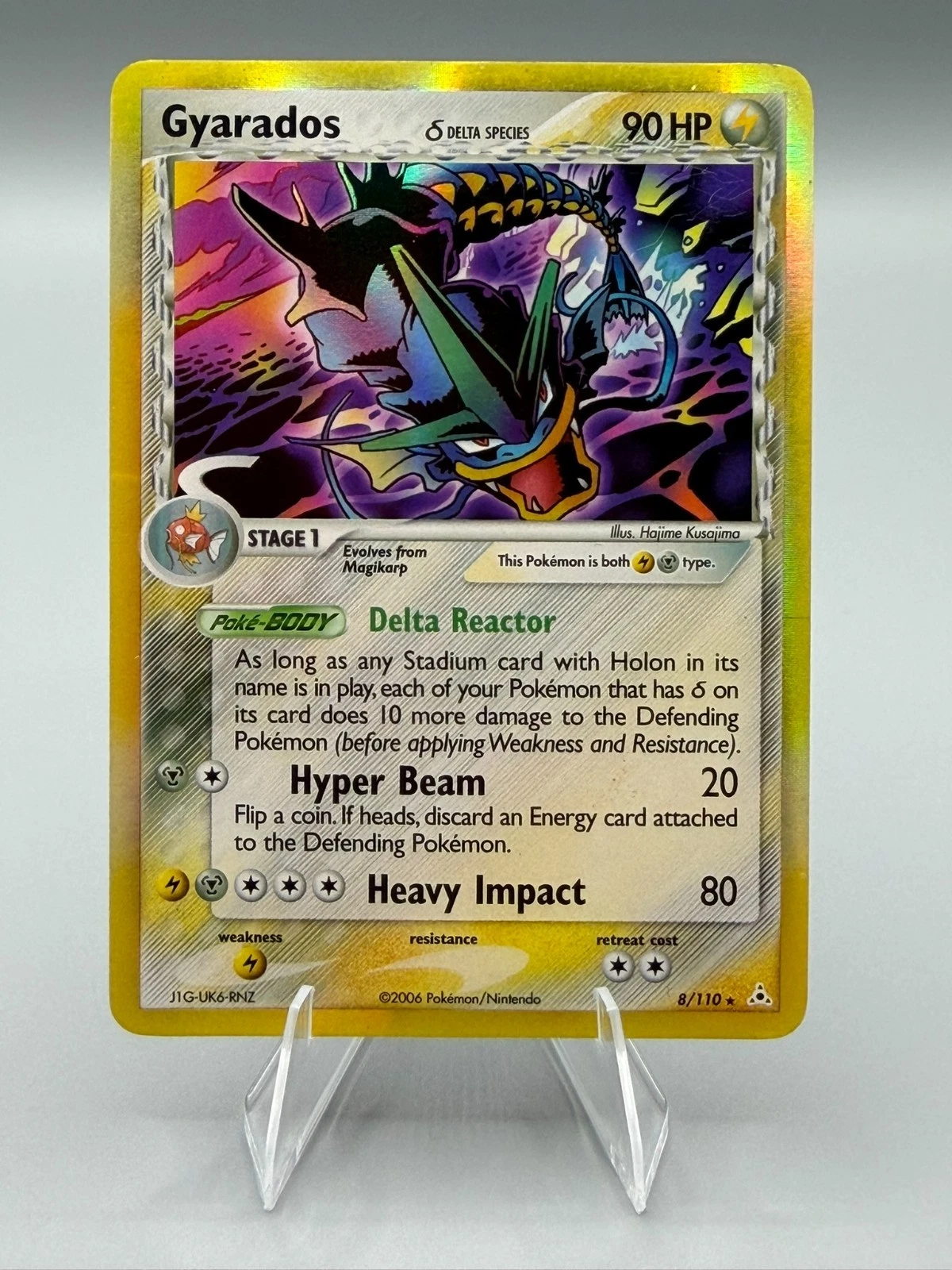
If you want to sell Pokémon cards near you in SoDo, FL, walk into Sell Your Gadgets with your cards, no appointment needed, and leave with cash the same visit. Our buyers price notable raw singles one at a time from live sold comps and price true bulk by the lot, so you get a real offer instead of a flat guess.
This guide covers how to spot the valuable cards in a pile, how condition affects an offer, whether grading first is worth it, and how to pack your cards for the trip. If you are sorting a box from the closet or a binder from childhood, start here.
How selling Pokémon cards works at our SoDo store
We are a buyback store, which means we pay you and we do not sell devices or cards off a shelf to the public. The process is simple. Bring your cards to the Sell Your Gadgets SoDo store, and a buyer looks through them with you at the counter. You can also start with a free cash quote online or by text if you want to describe the collection first.
- No appointment. Walk in during open hours with the cards in hand.
- Card-by-card pricing tools. Buyers use internal tools that pull live sold comps for each card. We never apply a flat bulk rate to a collection that has real cards in it.
- Cash on the spot. If you accept the offer, you are paid right then.
- Valid government photo ID. It is required for every sale, which is the standard secondhand-dealer rule.
We buy more than Pokémon. Magic: The Gathering, Yu-Gi-Oh!, One Piece, Lorcana, and sports cards are all welcome, so a mixed shoebox is not a problem. Our Pokémon cards and collectibles page has more on what we look at.
How to spot the valuable cards in a collection
You do not need to be an expert to do a first pass. Most of the value in a typical collection sits in a small share of the cards, and a few quick checks help you find them before you come in.
Set symbol and card number
Every card carries a small set symbol, usually near the bottom corner on modern cards or beside the artwork on older ones. Next to it is the card number, written like a fraction. When the first number is larger than the second, the card is a secret rare that sits outside the main set. Those numbers are often the chase cards, so set them aside.
Rarity symbol
Near the card number, a small symbol shows the rarity. A circle means common, a diamond means uncommon, and a star means rare. Newer sets add more detailed markers for ultra rares and above. Commons and uncommons usually make up the bulk, while stars and anything with extra markings deserve a closer look.
Holo versus reverse holo
A holo card has a shiny foil picture window with a normal, flat border. A reverse holo has the opposite pattern: the border and text area are foiled, and the picture is flat. Reverse holos are usually a lot more common than true holos of the same card. Both can matter, but they price differently, so keep them apart.
1st Edition stamp
On early English sets, a small black stamp reading 1st Edition sits to the left of the artwork, just below the picture. It signals the first print run, and those cards often trade at a noticeable premium over unlimited prints of the same card. Do not clean or rub around the stamp.
Shadowless
Shadowless cards come from the very early Base Set print run. The picture frame has no drop shadow along its right edge, where later prints show a shadow. It is a subtle difference, so if you have old Base Set holos, point them out and let the buyer confirm.
Alt-arts and special illustration rares
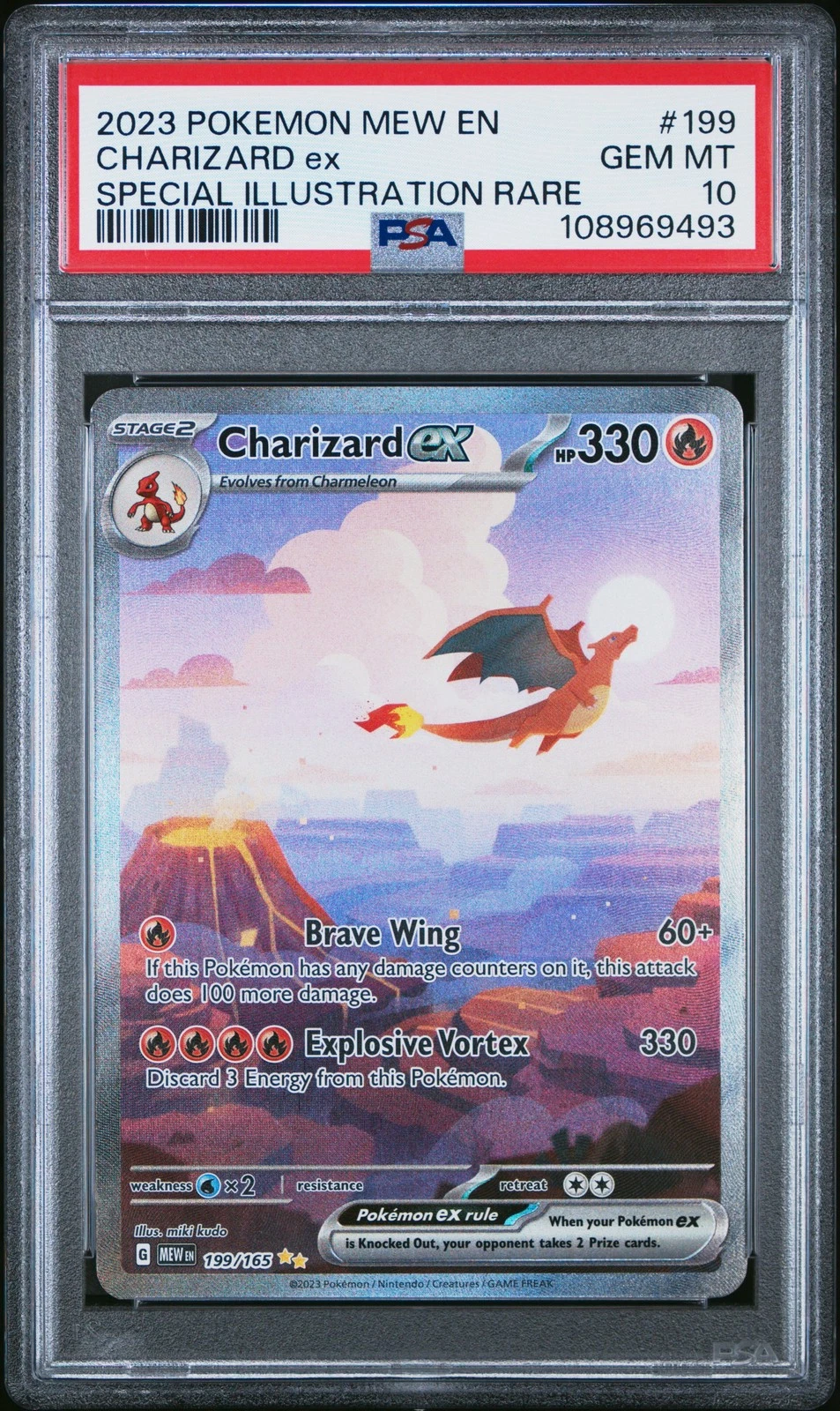
Modern chase cards are easy to recognize once you know what to look for. Alternate arts and special illustration rares have artwork that stretches past the usual frame and tells a small scene. They often carry numbers above the set total. These can be worth much more than the regular version of the same Pokémon, so never toss them into a bulk pile.
Condition: what buyers look at
Condition changes an offer more than most people expect. Two copies of the same card can price very differently depending on wear. Here is how raw condition tiers generally look in hand.
| Condition | Corners | Edges | Surface | Centering |
|---|---|---|---|---|
| Near Mint | Sharp, with no visible wear | Clean, with no whitening or only a tiny speck | Glossy, with no scratches, creases, or dents | Usually fairly even, though it rarely changes the tier on its own |
| Lightly Played | Slight softness or minor whitening | Light whitening along a few edges | Minor scuffs or faint scratches, no creases | May be visibly off-center |
| Moderately Played | Clearly worn or rounded | Obvious whitening on most edges | Noticeable scratches, scuffing, or a light bend | Often uneven |
| Heavily Played | Heavily rounded or frayed | Widespread whitening or chipping | Creases, heavy scuffing, or surface wear across the card | Often badly off-center |
| Damaged | Torn, bent, or missing pieces | Peeling, tears, or heavy chips | Deep creases, water damage, writing, or stains | Rarely relevant at this level |
Centering matters most for grading, where it can decide a grade, but for raw sales it is mainly a tie-breaker. A buyer checks corners, edges, and surface first. Everything on the table can be checked in a minute under good light, so tilt your cards toward a lamp before you come in and see where they land.
How singles and bulk are priced in one visit
One visit can cover everything, because we split a collection into two groups.
- Notable singles. Holos, vintage cards, alt-arts, special illustration rares, 1st Edition cards, and anything else with real market demand gets looked up and priced on its own. The buyer checks recent sold comps for that exact card and adjusts for condition.
- True bulk. Commons, uncommons, and low-demand rares are priced by the lot after the notable cards are pulled out.
That order matters. Many buyers who sell by weight or by count lump everything together, which can hide the good cards inside a flat rate. At our counter, the good cards come out first and get their own number. We explain how we got to the offer, and you decide whether to sell all of it, some of it, or none of it.
For more detail on what we look at with ungraded cards, see our page on how to sell raw Pokémon cards.
Sealed product and graded slabs
Sealed boxes, packs, and tins
Sealed Pokémon product is inspected in person. The buyer checks the shrink-wrap, the seams, and the weight to rule out resealing, which is a real issue in the hobby. If you have sealed product, bring it in its original condition and avoid opening or re-wrapping anything.
Graded cards
If your cards are already in slabs, we buy PSA, CGC, BGS, and SGC. The cert number and holder are verified in the store, and each grade is priced on its own comps. A PSA copy and a CGC copy of the same card do not necessarily sell for the same amount, so we do not treat them as interchangeable. Read more on our page for how to sell graded Pokémon cards.
Should you grade first?
Grading can pay off for the right card, but it is not automatic. These are the honest trade-offs, kept relative on purpose because fees and turnaround change often.
| Factor | Sell raw now | Grade first, then sell |
|---|---|---|
| Time | Same day, cash on the spot | Can mean a long wait for shipping, grading, and return |
| Cost | No grading fees | Per-card fees plus shipping and insurance |
| Risk | You know the offer before you leave | The grade is uncertain, and a lower grade can erase the benefit of grading |
| Upside | Priced on raw comps for the card | A high grade on a sought-after card can hold value better than raw |
A practical rule: grading tends to make sense for cards that are valuable, in very clean shape, and in demand at higher grades. For mid-range cards, fees and waiting often eat the gain. For bulk and common cards, it almost never makes sense. If you are unsure, bring the card in and ask. The buyer can show you the comps for raw and graded copies side by side, and there is no pressure to sell.
How to bring your cards in
A little prep makes the visit faster and protects your cards on the way over.
- Keep cards protected. Cards in sleeves are ideal. Put your better ones in top loaders or card savers.
- Skip the rubber bands. They dent edges and corners. Use a box, a deck case, or a binder instead.
- Sort binders lightly. Leave binder pages intact if you like, but flag the pages with holos, full arts, and older sets so they get looked at first.
- Separate the obvious bulk. A box of commons and uncommons can stay in a box. Do not spend hours alphabetizing it.
- Bring sealed items as is. Do not open or reseal anything.
- Bring your ID. A valid government photo ID is required for every sale.
- Do not clean the cards. Wiping, polishing, or rubbing out scratches usually makes things worse.
If you have a lot of material, tell us when you walk in. A big collection takes longer to go through properly, and it is better to give it the time than rush the notable cards.
Selling locally compared with other options
There are several places to sell Pokémon cards, and each fits a different situation. Online marketplaces like eBay and TCGplayer can reach many buyers, but they involve listing, photos, marketplace fees, shipping, and waiting for a buyer to pay. A local card shop can be a good option too, and it is worth comparing offers. Selling locally to us is the fast route: one visit, in-person inspection, and cash in hand.
That convenience is the main reason people choose this route. You skip the listing work and the shipping risk, and you get a clear answer the same day. If you have one very valuable card, it is smart to get a quote from us, check the comps yourself, and then decide. If you have a whole collection, the one-stop visit saves a lot of time. You can also look at what else we buy on our SoDo electronics page, since many collectors bring in consoles or other gear on the same trip.
Coming from nearby towns
We are at 1737 S Orange Ave Ste 300 in SoDo, near the corner of S Orange Ave and Pennsylvania St. Directions depend on where you start, so use that cross street as your reference point.
Clear Lake
If you are coming from Clear Lake, plan a short drive toward S Orange Ave and watch for Pennsylvania St. It is an easy run to bring a binder or a box and be back home the same day. Call ahead if you have a very large collection.
Southwest Orlando
Collectors in Southwest Orlando can reach us without much trouble, since S Orange Ave is a main north-south road. Bring your cards in a sturdy box on the passenger seat, not loose in a bag. A walk-in visit means there is no need to schedule around work.
Fairview Shores
From Fairview Shores, the trip to SoDo is a straightforward drive. Many people combine it with other errands. Sort the standouts first so the buyer can start with your best cards.
Pine Castle
Pine Castle sits along the S Orange Ave corridor, which makes our store a natural stop. If you have a childhood collection in the garage, pack it up and bring it in. We will go through it with you at the counter.
Oak Ridge
People coming from Oak Ridge can take a direct drive to our SoDo location. Bring your photo ID and the cards in sleeves or top loaders so they arrive in the same condition they left in.
Northeast Orlando
If you are driving in from Northeast Orlando, give yourself a little extra time for traffic and then enjoy a fast, no-appointment visit. Cards from mixed TCGs, like Magic or Yu-Gi-Oh!, can come along in the same box. We look at all of them in one visit.
Frequently asked questions
Do I need an appointment to sell Pokémon cards?
No. Walk in during store hours with your cards and a valid government photo ID. If you want a head start, you can send details through our free quote form first.
Do you pay a flat rate for bulk Pokémon cards?
No. Notable singles are priced individually with tools that pull live sold comps. Only true bulk, such as commons and low-demand cards, is priced by the lot, and that happens after the better cards are pulled out.
Do you buy graded Pokémon cards?
Yes. We buy PSA, CGC, BGS, and SGC slabs. We verify the cert number and the holder in the store and price each grader on its own comps.
Will you buy sealed Pokémon boxes and packs?
Yes, after an in-person inspection. We check the shrink-wrap, seams, and weight to rule out resealing, so bring sealed items in their original state.
Should I grade my cards before selling?
It depends on the card. Grading adds time, fees, and the risk of a lower grade than you hoped. It tends to make more sense for valuable, clean, in-demand cards than for mid-range or bulk cards. Bring the card in and a buyer can walk you through the comps.
Can I sell other trading cards at the same time?
Yes. We also buy Magic, Yu-Gi-Oh!, One Piece, Lorcana, and sports cards, so you can bring them all in one trip.
What are your store hours?
We are open Monday through Saturday from 10:00 AM to 7:00 PM and Sunday from 11:00 AM to 4:00 PM.
Ready to find out what your collection is worth? Get a free quote or just walk in at 1737 S Orange Ave Ste 300, SoDo, FL 32806. We are open Monday to Saturday 10:00 AM to 7:00 PM and Sunday 11:00 AM to 4:00 PM, and you can find details on the SoDo store page or call (321) 247-5995. Bring your cards and your photo ID, and get paid cash on the spot.
Hear from a real customer
A real customer on their experience. Working or broken, get a free quote and walk out with cash the same day.
Compare your options
See how selling to us stacks up against other ways to sell, side by side.