Sell Pokémon Cards Near Me in Virginia Beach, VA (Cash)
By syedladen ·
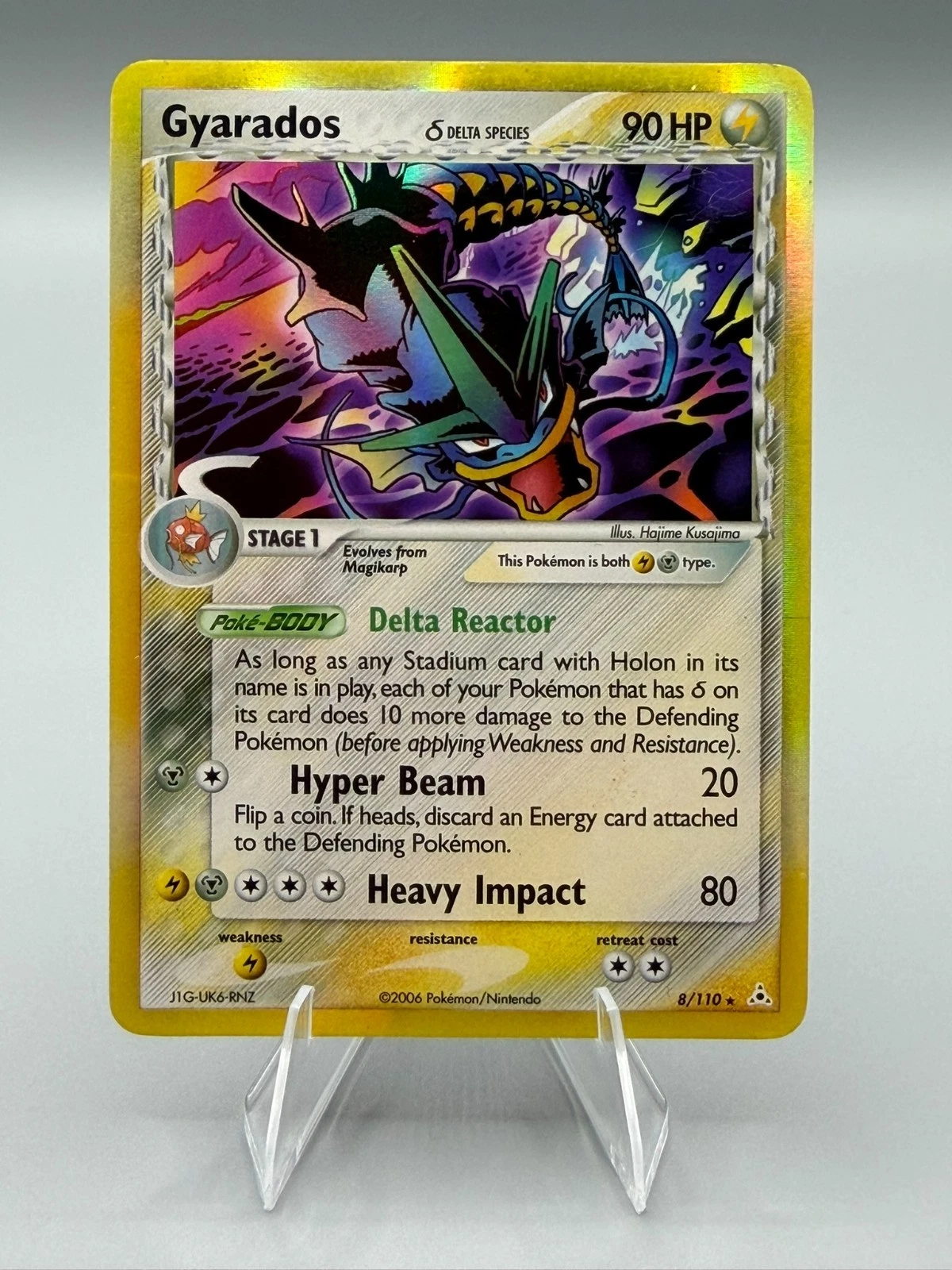
If you want to sell Pokémon cards near you in Virginia Beach, VA, you can walk into Sell Your Gadgets with your cards, no appointment, and leave with cash paid on the spot. A buyer goes through your singles, binders, or bulk in person and prices them from live sold comps, not a flat rate.
Where to sell Pokémon cards locally in Virginia Beach
Most people searching for where to sell Pokémon cards locally have the same three worries: will anyone look at my cards properly, will I get lowballed on the good ones, and do I have to wait days for money? Shipping to an online marketplace answers none of those. You photograph everything, wait for buyers, and cover shipping and fees. A local buyer is quicker, and you can watch the cards get evaluated.
At our Virginia Beach store, the process is simple. You walk in with the cards. A buyer sorts what you brought and prices the notable singles one at a time using internal tools that pull live sold comps card by card. True bulk is priced by the lot. You get an offer, and if you accept, you are paid cash on the spot. A valid government photo ID is required for every sale, which is the standard secondhand-dealer rule.
The shop is best known for buying electronics, and customers regularly describe the experience as fast, polite, and transparent, with a fair assessment and no reselling hassle. We hold a 4.8 Google rating from 496 reviews. The same approach carries over to cards: explain what we see, show how it is priced, and let you decide.
How to spot the valuable cards in a collection
Before you come in, a quick sort helps you know what you have. You do not need to price anything yourself. You just want to separate the cards likely to be worth individual attention from the pile that will be sold as bulk. Here is what experienced buyers look at first.
Set symbol and card number
Most cards from the modern era carry a small set symbol near the bottom of the card, along with a card number written like 045/198. The set tells you the era and print run. The number matters more than most people realize. When the first number is higher than the second (say 205/198), the card is a secret or special rarity that sits outside the main set. Those are often the cards that deserve individual pricing.
Rarity symbol
Next to the card number, a small symbol shows the rarity: a circle for common, a diamond for uncommon, and a star for rare. Newer sets add more detailed rarity labels and different finishes, so the symbol alone is not the whole story. A star does not mean valuable by itself, because plenty of rare-symbol cards are common in binders. But a card with no star at all will almost always land in the bulk pile.
Holo versus reverse holo
A holo card has foil in the artwork window while the border stays flat. A reverse holo is the opposite: the foil covers the card except for the art. Reverse holos are generally the less exciting version of an ordinary card. Holo rares, especially from older sets, are the ones people tend to pull aside. Do not try to rub or clean foil to check it, since that causes surface damage.
1st Edition stamp and Shadowless
Early English sets have a small black 1st Edition stamp on the left side of the card, beneath the art. Those cards are printed in smaller runs and often command a premium over the same card without the stamp. Shadowless cards are an early Base Set print where the art frame lacks the drop shadow on its right edge. If you see either, keep the card in a sleeve and set it aside for individual pricing. Condition then decides how much of that premium holds up.
Alt-arts and special illustration rares
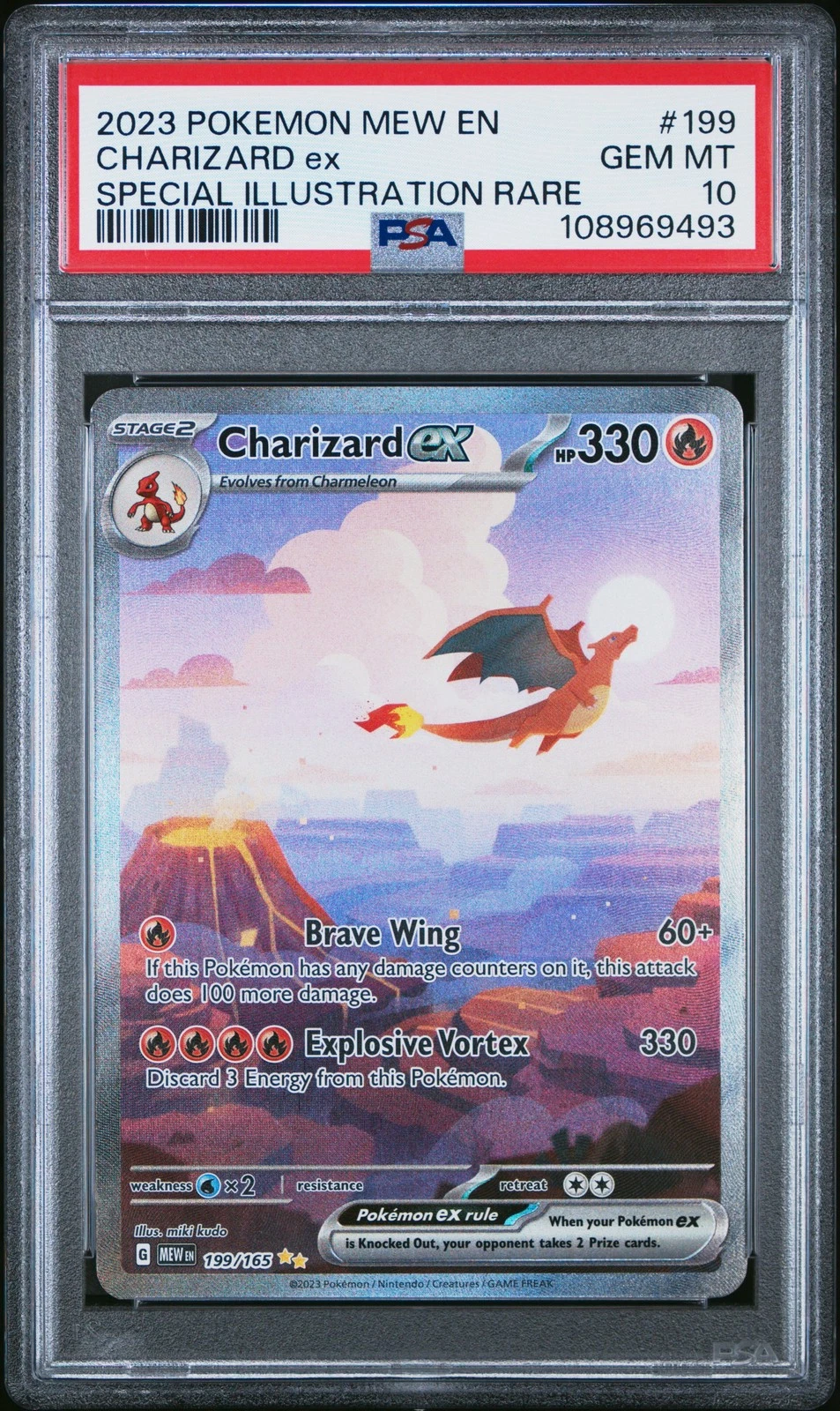
Alternate art cards are full-art versions where the illustration extends past the usual frame and tells a small scene. Special illustration rares in the Scarlet and Violet era are a modern example. These cards are popular with collectors, and they are exactly the kind of card that should never be sold as bulk. If you pulled one from a booster pack and sleeved it right away, bring it in as is.
Card condition: what buyers look for
Condition changes the offer more than almost anything else. Two copies of the same card can be priced very differently depending on how they look under good light. Here is a general guide to the standard raw-card condition tiers. Buyers inspect cards in hand, so the final call is made in person.
| Condition | Corners | Edges | Surface | Centering |
|---|---|---|---|---|
| Near Mint | Sharp, with no visible wear | Clean, with at most a tiny fleck | Glossy, with no scratches or creases | Usually fairly even borders |
| Lightly Played | Slight softness or a tiny touch of whitening | Minor whitening along a few spots | Light scuffs or faint hairlines visible at an angle | May be noticeably off-center |
| Moderately Played | Visibly rounded or whitened | Obvious whitening or small nicks | Scratches, scuffing, or slight bends | Often uneven |
| Heavily Played | Heavily worn or frayed | Chipping along much of the border | Creases, heavy scratching, or loss of gloss | Can be very off-center |
| Damaged | Torn, bent, or missing pieces | Peeling, tears, or heavy chips | Deep creases, water damage, writing, or stains | Not a factor, since the damage dominates |
Centering is not always a formal part of raw condition tiers, but it affects how appealing a card is, particularly on chase cards. Older cards that spent years in a binder without sleeves can land anywhere on this table. Do not worry about grading them yourself. Just avoid rubbing, flattening, or trying to fix anything before you come in.
How singles and bulk are priced in one visit
One visit can cover both ends of your collection. The buyer first separates the cards into two groups. Notable singles are priced individually: each card is looked up against live sold comps for that specific card, set, and condition. There is no flat rate that treats every card the same, because a flat rate would shortchange the good cards.
The rest, the true bulk of commons, uncommons, and low-demand rares, is priced by the lot. That is the practical way to handle thousands of cards that are individually worth very little. You will get one number for the bulk and individual numbers for the cards that earned them. If you are curious why a particular card landed where it did, ask. Buyers will walk you through the comp and the condition call.
You can read more on the process on our page for selling raw Pokémon cards. If you want a rough idea first, you can also request a free quote online, by text, or by walking in. For actual numbers, a quote is the right place to start, since values move with the market.
Sealed product and graded slabs
Not everything you bring will be a loose card. Here is how the other categories are handled.
Sealed product
Sealed boxes, booster bundles, and packs are inspected in person. The buyer checks the shrink-wrap, the seams, and the weight to rule out resealing. Resealed product is a real problem in the hobby, so sealed items are never bought sight unseen. If you have sealed product you bought at retail and stored carefully, bring it in with the packaging undamaged.
Graded slabs
We buy slabs from PSA, CGC, BGS, and SGC. The cert number and holder are verified in store, and each slab is priced on its own comps, because a PSA 9 and a CGC 9 do not necessarily sell for the same amount. If you are weighing options for slabbed cards, see our page on selling graded Pokémon cards.
Should you grade first?
This is one of the most common questions from people with a nice-looking collection. The honest answer is that grading helps some cards and hurts the economics of others. Here are the trade-offs in relative terms.
- Time: Grading means sending cards away and waiting. Turnaround can be long, and it varies by service level and demand. Selling raw gets you cash today.
- Fees: Each card costs a grading fee, plus shipping and insurance. On a card that is only modestly valuable, those costs can eat most or all of the gain.
- Risk: The grade is not guaranteed. A card that looks perfect to you can come back with a lower grade because of centering or tiny surface flaws, and the result may be worth less than you hoped relative to what you paid to grade it.
- Upside: For high-demand cards in genuinely sharp condition, a high grade can hold value better and sell more easily than a raw copy.
A reasonable rule: if a card is clearly valuable, strikingly clean, and you are happy to wait, grading may be worth exploring. If you want cash now, have a big collection, or are not sure about condition, selling raw is simpler and carries no grading risk. When in doubt, bring the cards in and ask what a buyer would flag. You are not obligated to sell.
How to bring your cards in
You do not need to prepare much, but a few habits make the visit smoother and protect your cards on the way here.
- Keep sleeved cards sleeved. If your better cards are in sleeves or top loaders, leave them there. Do not pull them out just to show them.
- Sort your binders lightly. Keep binder pages intact and flag the cards you think are special with a sticky note on the page. It is fine if they are not in order.
- Box the bulk. Use a card storage box or a sturdy container for loose commons and uncommons. Stack cards upright and avoid overfilling.
- No rubber bands. They dent corners and edges and can leave marks on the surface. Skip them entirely.
- Bring everything. That includes sealed product, slabs, and any extras, such as other trading card games or sports cards.
- Bring a valid government photo ID. It is required on every sale.
Do not clean cards with cloths or liquids. Dust can be brushed off gently if needed, but anything more risks surface damage that will count against the condition.
Other cards and gadgets you can sell on the same trip
Many collectors have more than Pokémon in the closet. We also buy Magic, Yu-Gi-Oh!, One Piece, and Lorcana, along with sports cards. You can see our broader overview on selling Pokémon cards and collectibles.
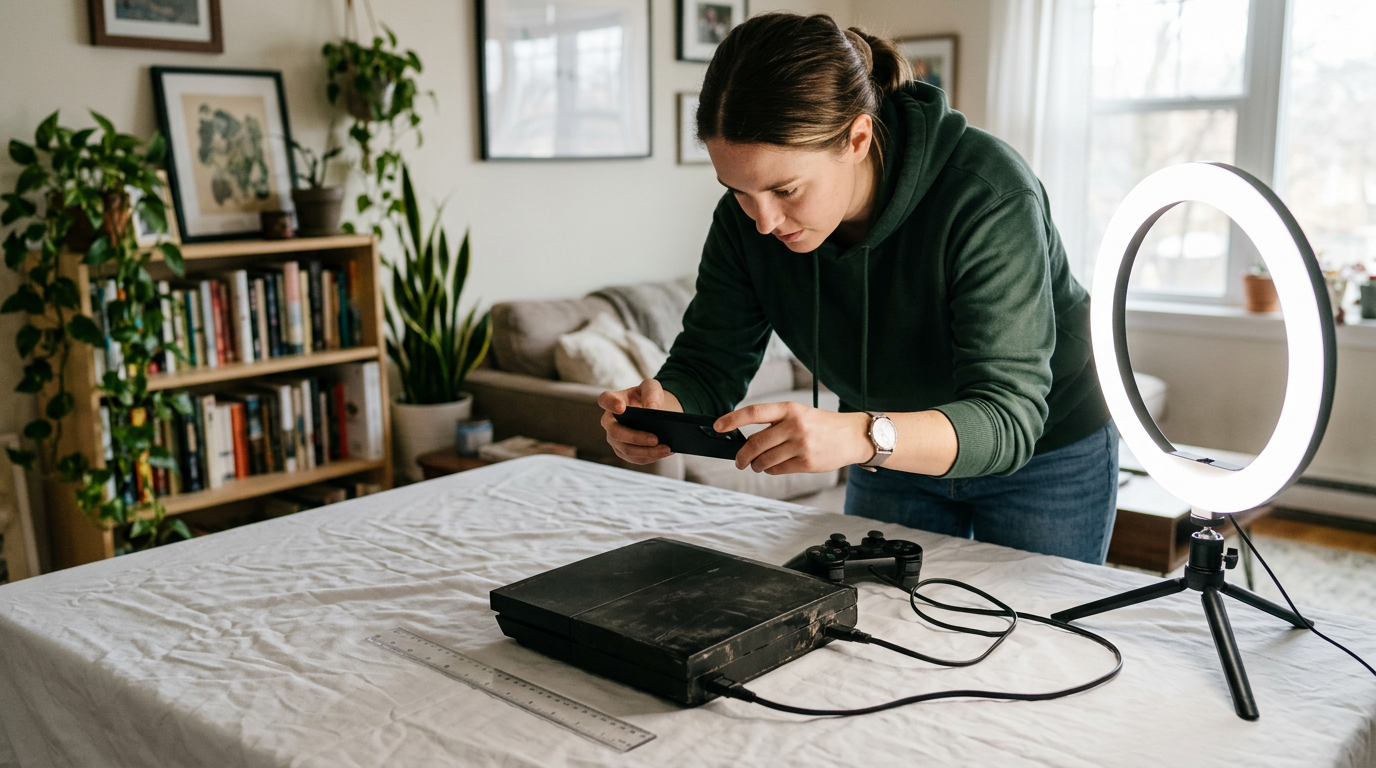
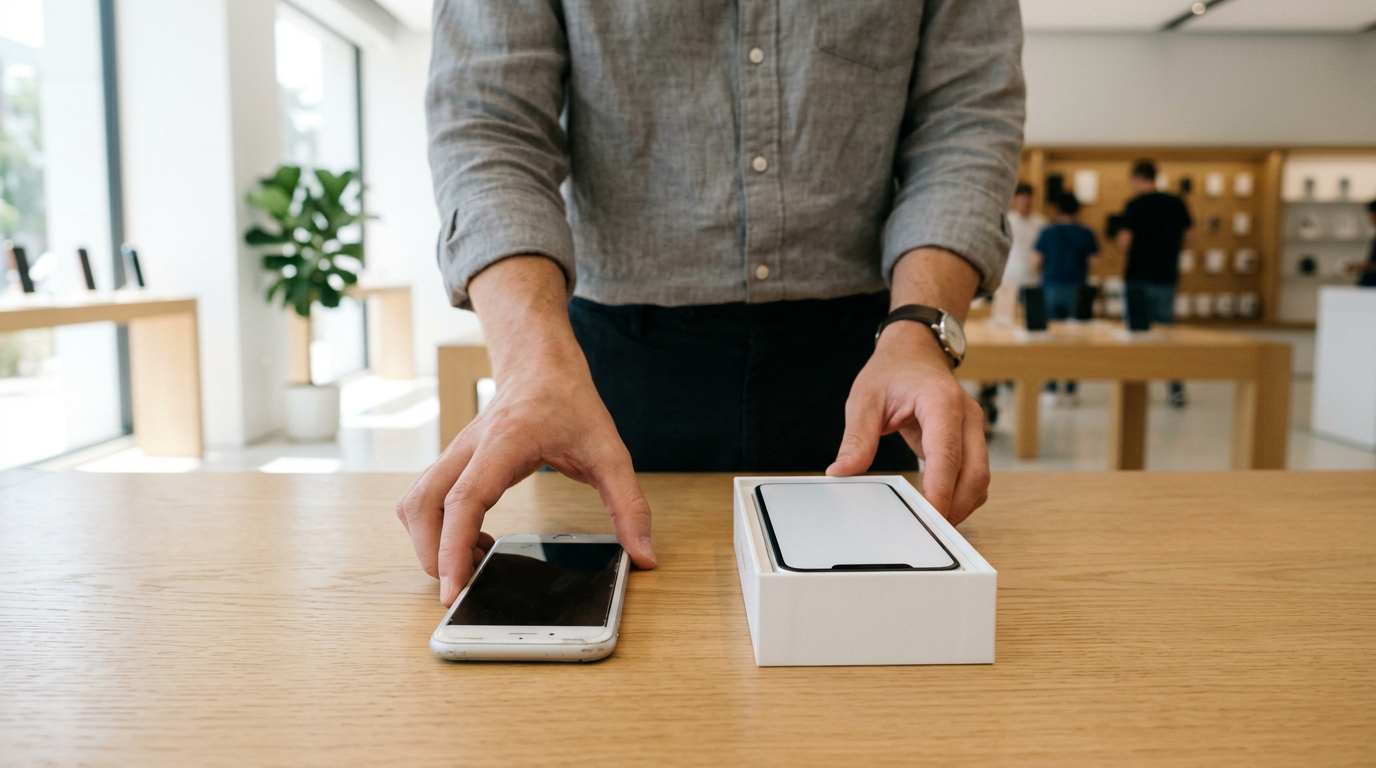
And since we are an electronics buyback store first, you can combine a card sale with old devices: phones, tablets, laptops, game consoles, and more. Details for local device sales are on our page about selling electronics in Virginia Beach. One trip can clear a lot of shelf space.
Selling Pokémon cards from nearby towns
The store is on Virginia Beach Blvd, near Mount Trashmore Park, in a strip mall setting. Here is how it works for people coming from around the area.
Norfolk
If you are in Norfolk, Virginia Beach Blvd and I-264 are the familiar routes toward our side of Virginia Beach. Many Norfolk collectors prefer an in-person sale over shipping because the answer is immediate. We also have a page for selling electronics from Norfolk if you have gadgets to bring along.
Joint Expeditionary Base Little Creek-Fort Story
Service members and families around the base often deal with moves, deployments, and downsizing, which is when binders in storage tend to resurface. You can bring them in with no appointment. Bring your government-issued photo ID for the sale.
North Central
From North Central, the drive to our store is short. If you have a childhood binder from a parent's attic or a stack from a relative, this is a convenient place to get it looked at in one stop, with the buyer explaining which cards are individually priced.
North Virginia Beach
People in North Virginia Beach can come in whenever the store is open, including Sunday. Bring your cards sleeved and sorted, and a buyer will go through singles and bulk during the same visit.
Chimney Hill
If you are coming from Chimney Hill, you are already close to the Virginia Beach Blvd corridor. Combine the trip with errands and expect a quick, in-person evaluation rather than a drawn-out online listing process.
Brenneman Farm
Brenneman Farm residents can drop in without a booking. Whether you have a small stack of pulls from your kid's favorite sets or a large collection, we price notable cards one by one and the rest as a lot.
Frequently asked questions
Do I need an appointment to sell Pokémon cards?
No. Walk in during store hours with your cards. If you want a general idea beforehand, you can request a free quote online or by text.
Will you buy bulk Pokémon cards?
Yes. True bulk is priced by the lot, while notable singles are pulled out and priced individually from live sold comps. If you want to sell bulk Pokémon cards, bring the whole box and let the buyer sort it with you.
Do you pay cash?
Yes. Cash is paid on the spot once you accept the offer. A valid government photo ID is required for every sale.
Can I sell a whole Pokémon card collection for cash in one visit?
Yes. Binders, loose cards, sealed product, and slabs can all be handled in one visit. The buyer works through each type using the right method, so you do not need to split things up.
Do you buy graded cards, or only raw?
Both. We buy PSA, CGC, BGS, and SGC slabs. The cert number and holder are verified in store, and each grade is priced from its own comps.
Do I need to sort my cards first?
It helps, but it is not required. Keep your best cards in sleeves or top loaders, leave binder pages intact, and keep bulk in a box. Avoid rubber bands.
Will you buy other trading cards too?
Yes. We also buy Magic, Yu-Gi-Oh!, One Piece, Lorcana, and sports cards, so you can bring everything at once.
Ready to find out what your cards are worth? Get a free quote or just stop by the Sell Your Gadgets Virginia Beach store at 3776 Virginia Beach Blvd, Virginia Beach, VA 23452. We are open Monday and Wednesday through Saturday from 10:00 AM to 7:00 PM, Tuesday from 9:00 AM to 7:00 PM, and Sunday from 11:00 AM to 5:00 PM. Call (757) 355-5750 with questions, and bring a valid photo ID.
Hear from a real customer
Real experience, real cash. Working or broken, get a free quote and walk out with cash the same day.
Compare your options
See how selling to us stacks up against other ways to sell, side by side.